PRIDE AND JOY
How the uprising at New York City gay bar, the Stonewall Inn, paved the way for LGBTQ+ rights
Written by Poppy-Jay St Palmer
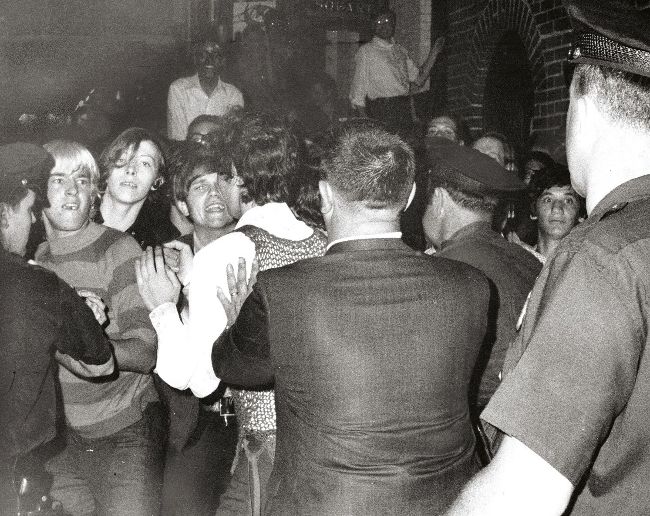
A crowd of LGBTQ+ patrons attempt to impede the police raid of the Stonewall Inn on the night of 28 June 1969
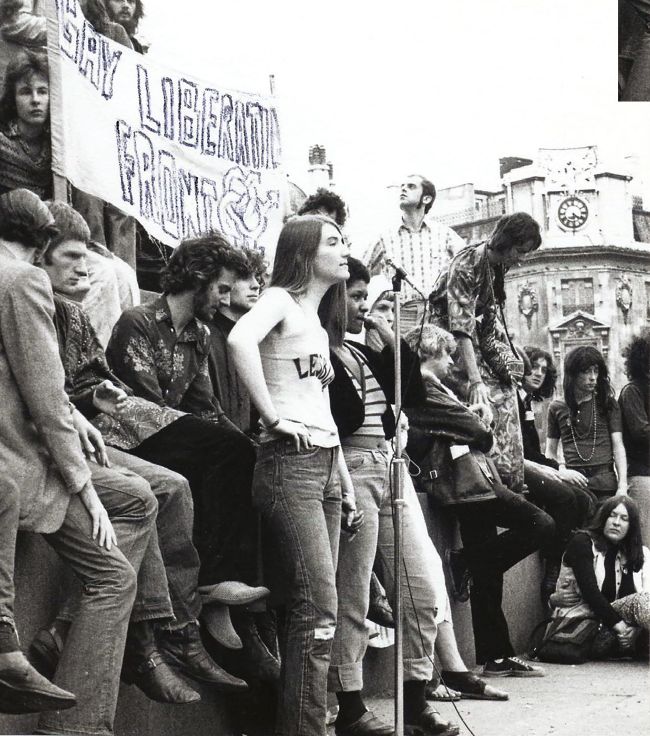
Since the 1970 Christopher Street Gay Liberation Day march, activists have been marching in pride parades all over the world
“GREENWICH VILLAGE WAS ONE OF THE ONLY PLACES LGBTQ+ NEW YORKERS COULD GO TO BE THEMSELVES WITHOUT FEAR OF POLICE INTERFERENCE”
36
New York City, 1969. The regular patrons of the Stonewall Inn, a large but discreet tavern in Greenwich Village, gathered in the steamy summer heat on 28 June to enjoy a night of flirting, drinking and dancing. Like many that frequented New York’s gay bars of the era, they were trying to live their lives away from the watchful eyes of the police. But that night a violent turn of events became a paramount step in the fight for lesbian, gay, bisexual and transgender rights: the Stonewall Riots changed the course of history for the community all over the world.
At the time, Greenwich Village was one of the only places LGBTQ+ New Yorkers could go to be themselves without fear of police interference. In 1960s New York, homosexual activity, including kissing, dancing or holding hands with someone of the same sex, was illegal. The police were notorious for sniffing out even a hint of ‘deviancy’. Dressing in drag was a criminal offence, drag queens and transgender women were regularly put in handcuffs and carted off to the nearest police station, while lesbians and transgender men were routinely arrested for wearing trousers and a shirt. The ‘three-article rule’ became a problem for many on the run-up to the Stonewall Riots. It required women to wear three pieces of female clothing to avoid being arrested for cross-dressing, even though the law didn’t technically exist. The police often abused their power by reviving antiquated laws to target the LGBTQ+ community.
With homosexuality being illegal in the state of New York, the State Liquor Authority considered establishments openly serving alcohol to gay, lesbian and transgender customers to be indecent and disorderly, and refused to issue liquor licences to many gay bars as a result. Although the gay bars of Greenwich offered respite from public scrutiny, many were repeatedly raided by the police for this reason. In 1966, a low-earning pub on Christopher Street was refurbished and reopened as famed gay bar the Stonewall Inn by the Mafia, who hoped to profit off of the LGBTQ+ community by offering protection while they drank, danced and socialised. By this time, the Genovese crime family controlled most of the Greenwich Village gay bars, and they even paid off the police to ensure that they could remain open for business without a liquor licence.