What is EnerPHit?
PASSIVHAUS RENOVATIONS
Sustainability expert Nigel Griffiths explores the ins and outs of this low-energy standard for retrofitting existing properties, highlighting key considerations
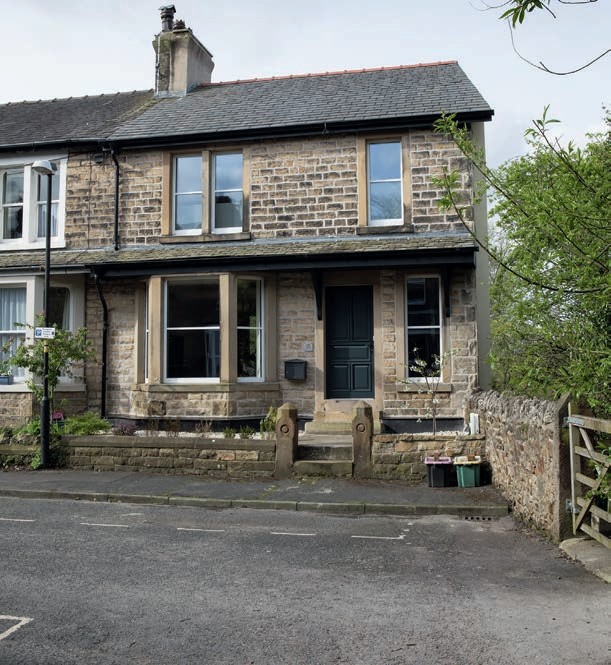
Above & right: Eco Arc (www.ecoarc.
co.uk) carried out an energy-efficient redesign on this Victorian end-ofterrace house, making it one of the first period properties in the UK to be awarded Passivhaus status
The Passivhaus standard of construction is typically associated with self build projects, where it’s straightforward to take a fabric first approach when creating a low-energy home. However, these ultra -high standards aren’t limited to new build houses. You can apply a similar set of principles to renovations to achieve impressive energy efficiency.
This is where EnerPHit comes in – a standard for lowenergy retrofits of buildings. The intention is to encourage super-efficient renovations, so it lies at the deep end of the retrofit market. The main thrust of the standard is to reduce heat losses through building fabric, cut air leakage, introduce efficient methods of space heating and cooling, ensure adequate ventilation and deliver comfort.
The origins of EnerPHit
EnerPHit grew out of the well-known Passivhaus standard – a German energy and comfort standard originally designed to encourage and evaluate highly energyefficient new buildings. However, it’s difficult to get many existing buildings to perform to the same standards as the best new buildings. This is because so many aspects of the building are already fixed – the structural form, orientation, window openings, foundation design etc, which leads to unavoidable thermal bridging, among other issues.
While the Passivhaus standard can be used to evaluate retrofitted existing buildings, the EnerPHit standard was introduced in 2010 to provide a slightly more realistic set of goals for ultra-efficient renovation strategies.