CLASSIC ALBUM
PRIVATE DANCER
TINA TURNER
CLAWING HER WAY BACK FROM OBSCURITY, TINA TURNER’S 80S REBIRTH SAW THE ICONIC SINGER DEFY MUSIC INDUSTRY PREJUDICES BASED ON AGE, GENDER AND RACE TO PRODUCE A DECADE-DEFINING BLOCKBUSTER
MARK LINDORES
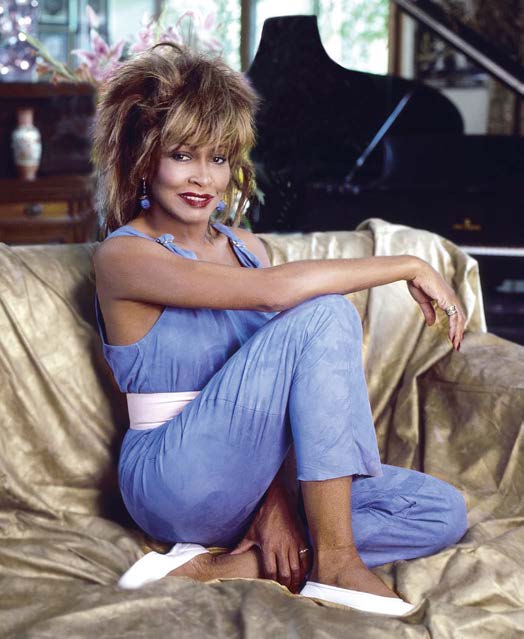
Tina at home in Los Angeles, December 1984
© Getty
Las Vegas may currently be upholding its reputation as the entertainment capital of the world today, hosting the biggest stars at their multi-million-dollar residencies, but that hasn’t always been the case. In fact, in the late 70s when Tina Turner was regularly performing there, it was a gaudy graveyard of once glittering careers, a pastural populace of fading stars, desperately clinging on to the last vestiges of success or relevance.
Recently divorced from her abusive ex-husband and musical partner Ike, Tina had left their union with nothing but her stage name. Crippled by debts, she was forced to perform in cabaret clubs, on variety specials and even as a regular on TV shows such as Hollywood Squares in order to support herself and her children.
It was when friends from the rock world who’d once shared the same bills as Tina and were still performing in giant stadiums and auditoriums, such as The Rolling Stones, Rod Stewart and David Bowie, stopped off in Vegas as part of their world tours that the frustrated superstar was inspired to embark on her own second act and enlisted manager Roger Davies to assist her.
Opting not to take the expected route of singing soul or R&B material, Tina instead reinvented herself as a rock artist, ditching the glitzy get-ups and dated stage act in favour of leather mini-dresses and a punky new haircut. She went on the road with a stage show fuelled by raw rock energy and her scintillating stage presence.
Though incredible live shows kept Tina busy, record labels spurned her. Notoriously focused on new, up-and-coming talent, the industry was indifferent to a woman in her forties who was perceived to be past her peak. Two decades into her career, she’d sustained some strong friendships, though, and it was those that helped Tina land some high-profile gigs.
“I DIDN’T WANT TO SING RHYTHM AND BLUES BECAUSE TO ME A LOT OF THOSE SONGS WERE DEPRESSING”
TINA TURNER
KEY FIGURES
TINA TURNER Tina Turner began her career in the 50s alongside future husband Ike. She released her first solo album, Tina Turns The Country On!, in 1974, though it wasn’t until 1984’s Private Dancer that her solo career really took off. Sadly, she’s retired from music now, having released her final album, Twenty Four Seven, in 1999. Dan Lindsay and TJ Martin’s Tina documentary from 2021 is a must-see.
ROGER DAVIES Roger Davies single-handedly revitalised Tina’s career. Instructing her to dump the cabaret club aesthetic that she was hawking at the time, the manager changed her entire act. He booked her onto the rock circuit and landed her gigs with The Rolling Stones and Rod Stewart, guiding her towards a contemporary look and sound that found Turner back in the charts and selling out stadiums. Still a hugely successful manager, his clients include Cher, Pink and Sade.
MARTYN WARE Aside from producing her big comeback single Let’s Stay Together, Heaven 17’s Martin Ware was instrumental in Turner’s reinvention, introducing her to electronic music for the first time on their BEF collaboration, Ball Of Confusion. Despite not being a hit, it created a buzz in clubs and ignited interest in Tina in the industry, most importantly, bringing her to the attention of John Carter.
JOHN CARTER After hearing Tina’s BEF collaboration, Capitol Records’ A&R man John Carter – better known simply as Carter – heard something in her that no one else did at the time and fought everyone to get her signed to the label. Tasked with putting an album together, he sourced material largely consisting of covers and other artists’ leftover tracks and moulded it into of the most successful and defining records of the 80s.