Photo Answers
Befuddled by burst rates? Gone loco over a lens? Send your technique and camera questions to digitalcamera@futurenet.com
Andrew is a highly experienced writer and photographer – if you have a problem, he is here to help.
Andrew James
Snow temperature
Q Which white balance setting should I use while I am photographing snow?
Carol Lemon
Snow is a wonderful subject, but it’s impossible to suggest one specific white balance setting you need for it. The conditions are going to vary a lot, and it very much depends on what kind of look you want for your shot.
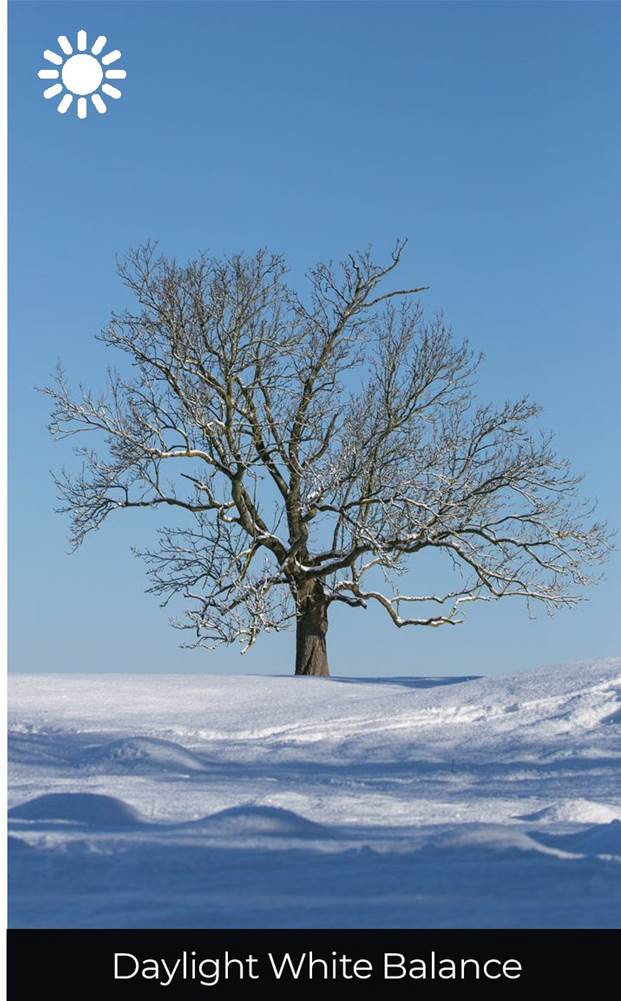
A Typically, I’ll use Daylight WB, although this often gives a bluer hue to the shadows than some people might like. As cold is associated with the blue end of the colour spectrum, this does feel more appropriate. But if you want to lose some of the blueness, then go for a Cloudy WB setting to warm it up slightly – but make sure that it doesn’t look unnatural.
The important thing with snow is to shoot raw, as this gives you the option to tweak both the white balance and the exposure afterwards, just in case you get either slightly wrong at the taking stage. Changing the white balance in post-processing is easy. In fact, as a quick fix, just selecting Auto WB will often warm up the scene sufficiently.
Failing that, manually move the slider to get the look you want. I find that generally the white balance that looks right falls somewhere between 5,500 and 7,500 Kelvin, but there will be times when going lower than 5,500K works, because it accentuates the sense of cold as the image gets bluer. Equally, you might want to go even warmer with your white balance when you have evening or morning light falling on the snow. It’s all about the temperature that gives your image the mood you want and looks natural for the conditions.
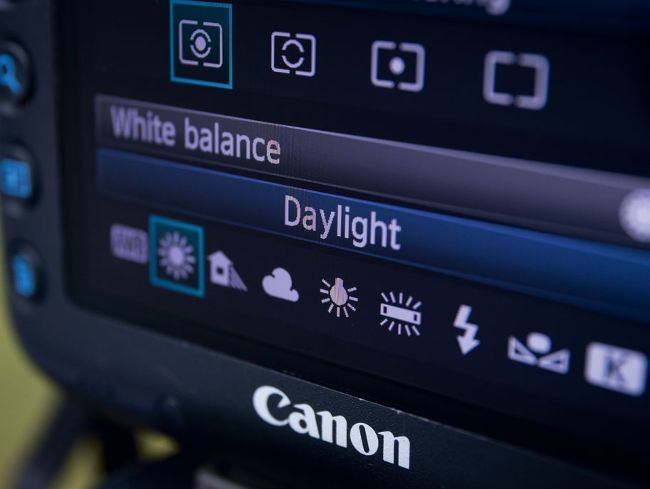
Try choosing the Daylight White Balance setting in your camera to get an appropriately chilly colour palette.