Blue Zoo: Lighting, compositing and workflows
blue zoo
#4 LIGHTING, COMPOSITING AND WORKFLOWS
In part four of our in-depth series on Blue Zoo, we take a look at the process of lighting and compositing for episodic 3D animations
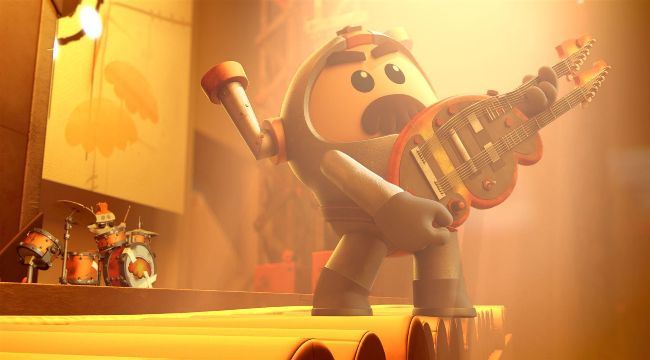
Agents When working on a preschool TV series, t he team are careful n ot to make the characters too dark or the lighting too contrasting
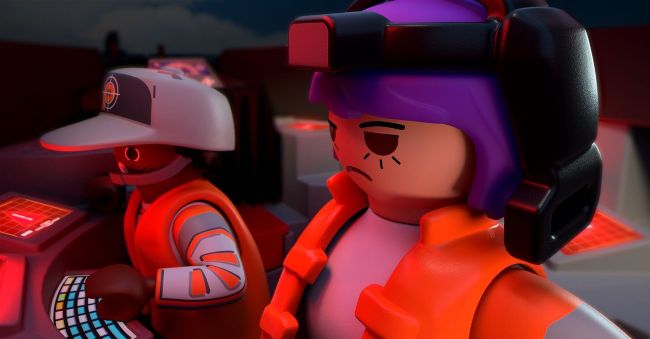
A still from Playmobil:
3D World’s in-depth series on leading UK animation company Blue Zoo has so far covered the studio’s journey and approach to producing joyfully compelling stories, its visual and story development processes, and its animation pipeline. In this fourth instalment we take a closer look at Blue Zoo’s lighting and comp workflows, the tools they use to create their stunning animated aesthetics, particularly challenging projects, integrating complex effects and, as ever, we get their top tips for aspiring artists that want to add professional lighting and comp to their own projects. So, without further ado, let’s lift the lid on the art of lighting and comp for 3D animation.
THE POST PROCESS
Arthur Tibbett is a CG supervisor at Blue Zoo. His responsibilities include the design and implementation of new workflows covering both the technical and artistic aspects of an animation pipeline, as well as adopting strategies to tackle unique creative challenges, which he cites as one of the most enjoyable aspects of his role.
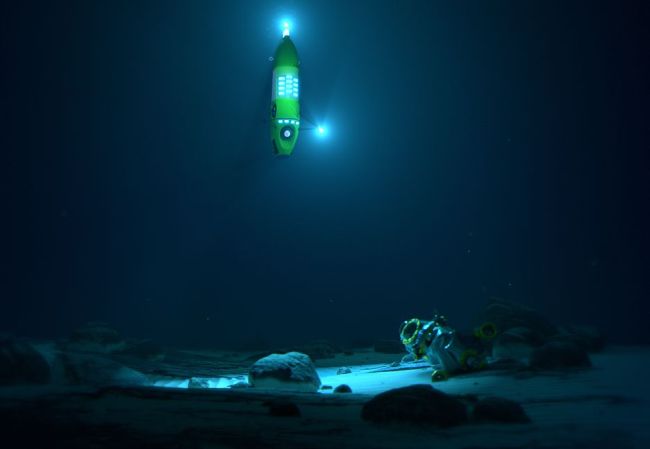
Pipand Posy is a series for 3-5-year-olds based on the popular picture books by Axel Scheffler and Camilla Reid
“I work with artists and technical directors (TDs) to help solve problems,” he tells 3D World, “I’m often involved with projects we do in the short form team from the very start to the end, helping artists and giving feedback and quality control with directors and creative leads.”
Tibbett is no stranger to Blue Zoo’s lighting and comp departments and the work they do to create beautiful renders on a selection of children’s television shows, commercial campaigns and advertisements. “The lighting and comp artists are responsible for turning the animated 3D models and rigs into beautiful 2D rendered images, using a whole host of different software and techniques depending on the creative challenges of the project,” he adds.
Making a 3D animated show involves many different disciplines and extensive planning and preparation before it gets to the stage where it is ready for lighting and comp. Characters and environments have to be designed to fit the style that the creators and directors imagine, then 3D models are made, textured, shaded, and rigged so that they can be animated. “After a shot has been animated it is passed to the lighting and compositing department,” Tibbett explains. “It can take a year or two for the assets to get to a point where they are ready for this stage of the pipeline, depending on the complexity of the show.” With animation complete, the lighting and compositing department uses a series of tools designed and implemented by Blue Zoo’s supervisors and pipeline team to create their shots and render the images. “Because of the complexity of modern shows, sophisticated tools are needed to manage files and track the status of assets, so the artists can focus on what they do best, making beautiful images,” says Tibbett. When the lighters have translated the 3D scenes into 2D images through rendering, they take it to compositing, where they tweak colours and make final enhancements to the images, sometimes adding depth of field and motion blur.