THE NEXT_GENERATION
Goodbye Kansas Studios discuss the art of game cinematics and give 3D World the lowdown on the E3 trailer for Cyberpunk 2077
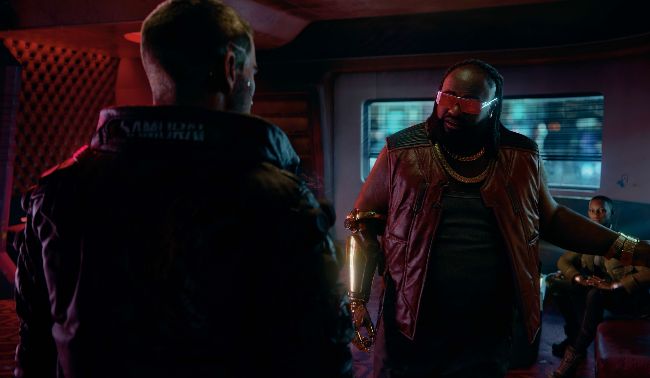
Cyberpunk 2077 protagonist V meets with shady fixer Dexter DeShawn, known on the streets of Night City as Dex
The use of CGI cutscenes or cinematics is a significant chapter in the history of video games. Whether used as a trailer for an upcoming release or to advance the story within the game itself, each new generation of gaming platforms brings CG artists an opportunity to push the boundaries of the artform. With the PlayStation 5, Xbox Series X, and a whole new era for console gaming on the horizon, cinematics are also levelling up. After their breathtaking E3 trailer for CD Projekt Red’s Cyberpunk 2077 bagged itself a Webby award and clocked over 55 million views online, 3D World caught up with Goodbye Kansas Studios to discuss the project and get a glimpse into the next generation of game cinematics. Goodbye Kansas’ expert panel consists of director Fred Löfberg, lead character artist Jonas Skoog, and art director Mikael Widegren.
LEVEL 1 0000 THE ART
As the creator of award-winning VFX, digital animation and performance capture across film, television, games and more, few studios are as qualified to discuss the art of the CG game cinematic as Goodbye Kansas. “Cinematics need strong characters and great stories to stand out,” Löfberg tells 3D World. He and his team are able to leverage Goodbye Kansas’ advanced character creation skills and facial rigging to ensure that their cinematics do stand out. “With that I know I can tell stories with depth to our characters. I love to tell the stories with strong emotions. Working closely with talented actors and actresses I’m able to dive deep into the human psyche,” he adds.
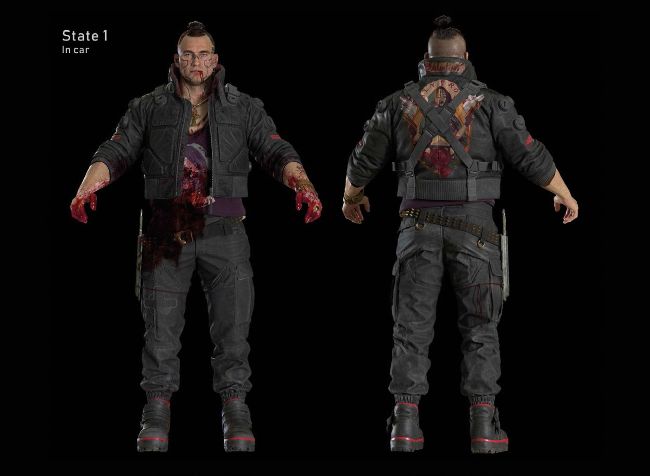
A bloodstained character model for Jackie Welles, after he has been wounded in a shootout Jackie Welles is a contact of V’s, described by the game’s developers as a gun for hire and skilled assassin
“A great story and characters that feel like real people, and not tropes, are really important to me,” adds Widegren. “Of course, how the story is told feels equally important; lighting, cinematography, set design and so on. A great cinematic to me either feels really grounded, and much like a real short film, or brings something completely new and fresh to the table, stylistically.”