CLINIC
Using kettlebells in a strength workout can help activate the key muscles you use when running – your lower back, leg muscles and glutes – to make you a stronger runner
YOUR EXPERT
Sports Injury Fix member James Kirkpatrick (MSC) is a sports therapist and the owner of The Recovery Room in Southampton (the-recovery-room.co.uk). He also lectures in sport, injury and treatment at degree level. James is a keen long-distance trail runner has a special interest in running-related injuries and chronic tendon issues. bit.ly/RecoveryRoomRomsey
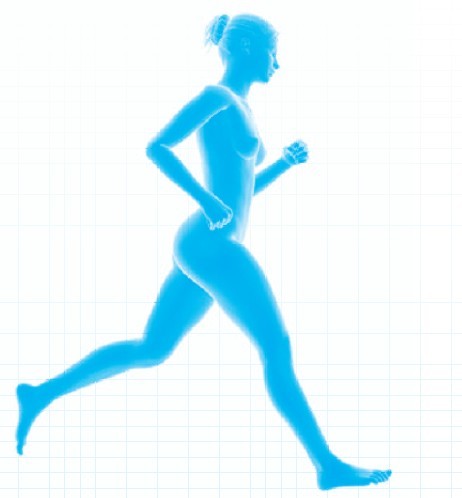
The repetitive one-legged nature of running requires you to withstand forces relative to the speed, intensity and duration of your running. Failure to control these variables often results in preventable injury, and is one of the main reasons people present with a running-related injury to sports health professionals. Being aware of these loads, building strength on one leg, and listening to your body are important aspects of reducing injury risk. If you are less confident on one leg, you will put more pressure on the other leg while running; these forces get transferred to other joints and muscle groups, and can result in overuse injury. Using kettlebells can lead to improved activation of your lower back, leg and hip muscles (glutes) for greater pelvic control, and ultimately stronger running.