BREAKING HISTORY’S WORST SIEGE
BREAKING HISTORY’S WORST SIEGE
In 1943-44 the Wehrmacht had to be levered out of formidable defences in a monumental sacrifice to free Leningrad
INTERVIEW BY LOUIS HARDIMAN
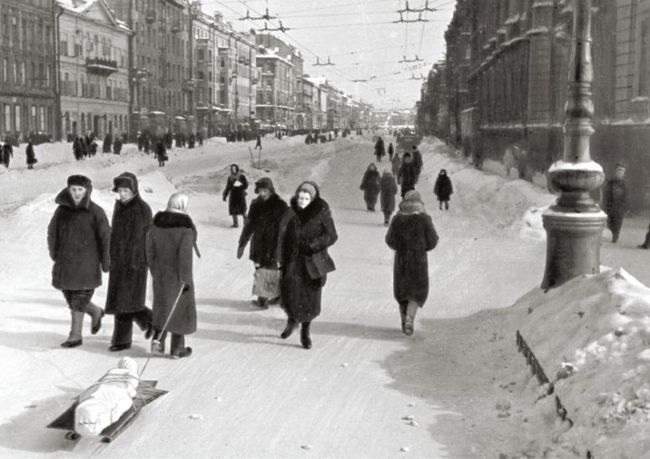
Leningraders, one of whom is pulling a corpse, on Nevsky Prospect during the brutal winter of 1941-42
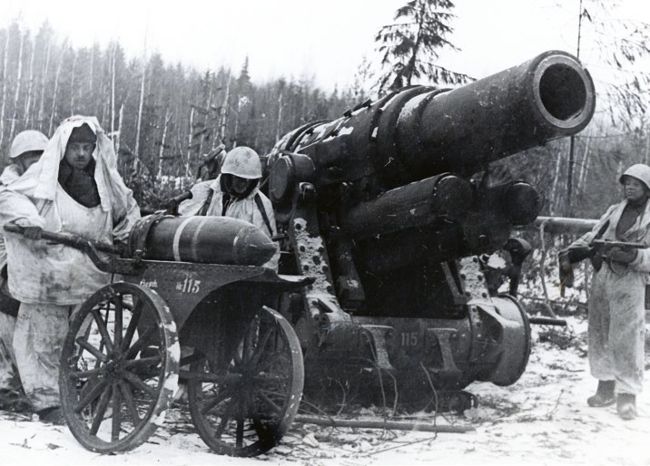
Soviet troops load heavy artillery in 1943, likely with a shell produced by a Leningrad factory
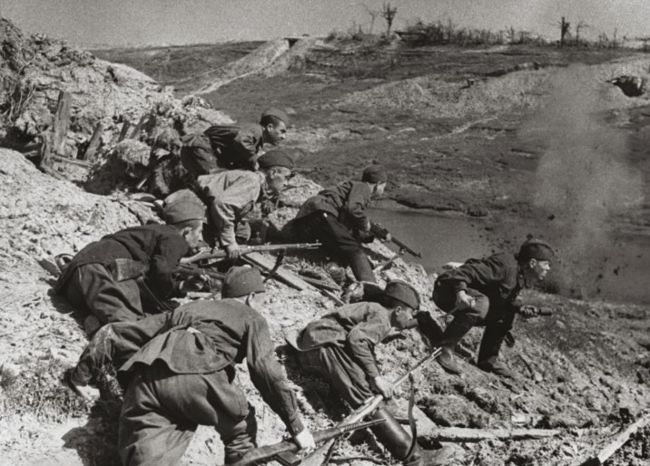
Red Army troops attempt a counter-attack against a German position outside Leningrad
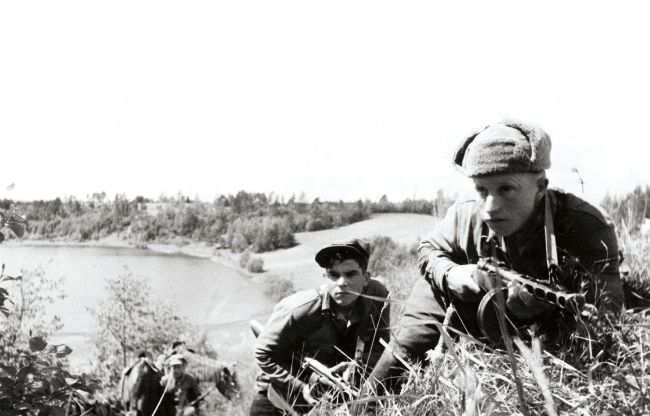
Partisan scouts look for Germans near Leningrad
Images: Alamy, Getty

Q& A WITH PRIT BUTTAR
As the snow melted in the spring of 1942, Leningraders emerged from the worst winter experienced by a population under siege. Amid a mounting death toll driven by star vation, cold, disease and shells from the Wehrmacht’s siege artillery, Red Army command began to plan the counter-attacks that would finally free the city from its suffering. Using original Russian source material, Eastern Front expert Prit Buttar traces the monumental effort and “mind-numbing” Soviet sacrifice to break the siege and push the Wehrmacht west in his new release Hero City: Leningrad 1943-44. He then considers how this triumph continues to shape Russia and its politics.
Buttar spoke with History of War about history’s most deadly siege, sharing his thoughts on the varied experiences of the Leningrad Front, the terrain that made a breakout near impossible and how German setbacks elsewhere, such as Stalingrad, helped bring about the Leningraders’ salvation.
What the atmosphere among the Wehrmacht fores as they placed Leningrad under siege?
The Germans arrived outside Leningrad in September 1941 and the high-level decision was made to not capture the city but cut it off and starve it into submission. In the spring of 1942, they could move into a desolate city. Most of the population would be dead and the Germans could drive out the remnants and dynamite the buildings. Within the Wehrmacht, there was still a belief that they would be the conquerors of Leningrad and there was huge disappointment when they stopped on the outskirts and didn’t finish the job. Many Germans of different ranks wrote about this in their memoirs as a missed opportunity that would have avoided the long and bitter trench warfare outside of the city. I think that’s incorrect. If the Germans had been drawn into urban warfare, it would have been incredibly costly and they wouldn’t have prevailed, given the demands of such a vast battlefield as the Eastern Front. Finally, there was steadily increasing unease about how long the Germans could keep holding back attempts to break the siege, each leaving them weaker. They would dig out their trenches, restore the bunkers and barbed wire and lay more mines, but look around to see their ranks getting thinner and the number of veterans declining. Meanwhile, the enemy appeared to be getting stronger.