ALGERIAN WAR OF INDEPENDENCE
ROOTS OF REVOLUTION
A century of French occupation led to a genocide in Algeria that provoked one of the bloodiest showdowns of the modern age
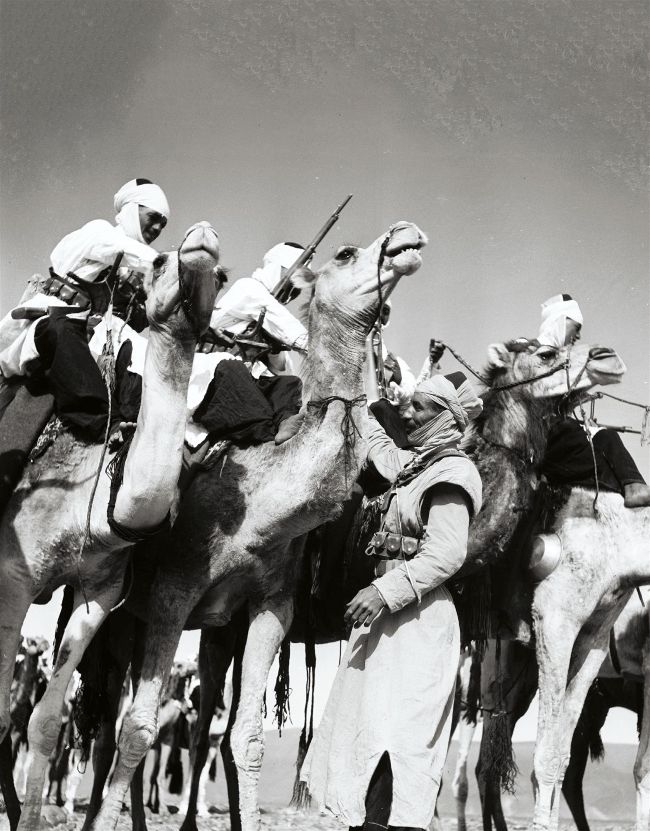
Armed Algerian camel riders, photographed around 1945
On 8 May 1945, Nazi Germany surrendered to the Allies, bringing to an end almost six years of brutality and bloodshed in Europe. As millions across the continent celebrated, the first great tragedy of the post-war era was unfolding a short distance across the Mediterranean. What happened there that day and in the following weeks would sow the seeds of a tragic conflict between France and the North African country it had occupied for more than 100 years.
Rich in oil, gas and iron ore, Algeria had long been considered the jewel in France’s imperial crown. By 1945, however, its relationship with its North African neighbour was a messy one. Decades of colonisation had created a political and legal morass in the country, one that was further complicated by Algeria’s unusual ethnic mix. At that time, Algeria was home to around 10 million people, mostly Arabs or Berbers. At least a million of its citizens, however, were of French or European descent. This group was known as the pieds-noirs (‘black feet’), a name whose disputed origin possibly derived from the colour of the boots worn by French troops when they first occupied the capital Algiers in 1832. Whatever the truth, this white, largely Christian sub-section of the population enjoyed an elevated position in Algerian society compared to the largely non-white Muslim majority.