CAN YOU MAKE MONEY by self-building?
Value for money is a big attraction of building your own house; but does that translate into an opportunity for profit? Tim Doherty takes a closer look
Tim Doherty
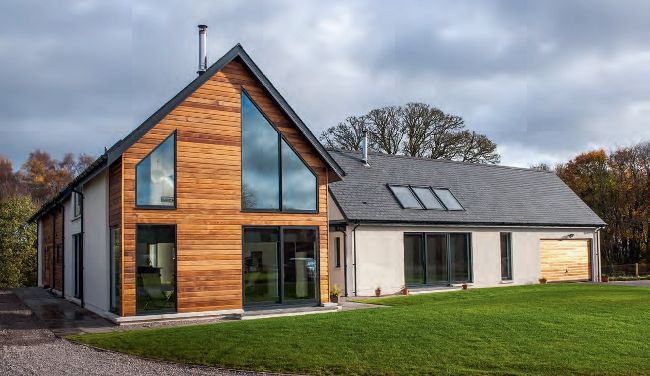
Mixing textures and materials can create a striking effect and add kerb appeal. This dwelling by Hyve Architects (
www.hyvearch.co.uk) features cedar cladding and crisp white render
If you’ve ever read a self-build magazine, you’ll probably have noted that most of the homes featured are not only impressively high quality, but they’re also worth more than they cost to construct in the first place. This can be the case even where end values weren’t a prime consideration for the owners; so if you set your mind to it, couldn’t you make a tidy profit? Here’s what to consider before you take the plunge.
Are you really a self-builder?
While this may seem an odd question, it’s a vital one in financial terms – as it has a massive impact on exactly what exemptions and liabilities will apply to your scheme.
Probably the most fool proof way to determine this, at least in a technical sense, is what the taxman thinks. As far as the HMRC is concerned, if you’re looking to make a profit out of property development, you’re undertaking a taxable business activity – so it will class you as a ‘mainstream contractor’ (ie a property developer or speculative builder).
A qualifying contractor has to register with the Construction Industry Scheme (CIS) before undertaking any project activity, and must be prepared to make monthly returns to HMRC on all payments to sub-contractors (or to account for gross payments).
You may feel this is a bit extreme, but there are two definitive cases in which you would qualify under the CIS rules: if you’re considered a mainstream contractor, as described above; and if you count as a deemed contractor (because your average annual construction expenditure in a three-year period exceeds £1m).