ALBUM BY ALBUM
PREFAB SPROUT
IN A CAREER SPANNING MORE THAN FOUR DECADES, PREFAB SPROUT HAVE EMBRACED PURE POP, FUNK, JAZZ AND OUT-THERE INSTRUMENTALS…
JOHN EARLS
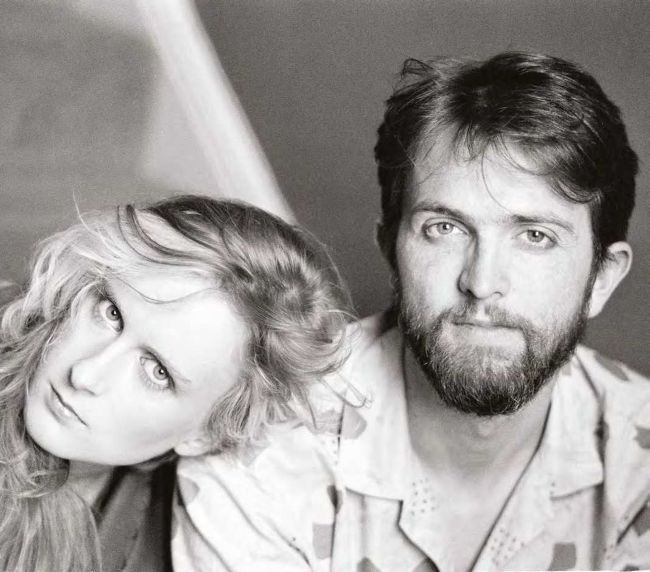
© Getty
WHEN IT CAME TIME TO RECORD SWOON, THE BAND HAD BUILT UP SUCH A CATALOGUE THAT THEY DUMPED MOST OF THEIR EARLY SONGS
By the time Prefab Sprout’s debut album was released in 1984, Paddy McAloon had been honing his songwriting for nine years. Paddy, his brother Martin and Martin’s friend Mick Salmon rehearsed together for four years before playing their first shows around Durham in 1979. Debut single Lions In My Own Garden was released three years later on the band’s own record label, Candle, funded by Martin’s work in a quarry.
The manager of the local HMV decided to get involved. Keith Armstrong, part of local arts collective The Soul Kitchen, founded Kitchenware Records, who released Prefab’s second single The Devil Has All The Best Tunes. In between, co-singer Wendy Smith had joined as a female counterpoint to Paddy’s storytelling lyrics.
When it came time to record Swoon, the band had built up such a catalogue that they dumped most of their early songs, including those first two singles, in favour of their more recent material.
The resultant album is still more indebted to post-punk and funk than the trademark melodicism most associated with the band.
Paddy ascribes its eclecticism in large part to the mix of music that he heard growing up listening to Radio 1 in the 70s, telling Classic Pop in 2019: “You would hear Tangerine Dream next to Captain Beefheart, and we liked all that stuff. We were jamming and shaping it.”
Although Swoon is produced by David Brewis, a multiinstrumentalist with Kitchenware labelmates The Kane Gang, Prefab Sprout were always largely adrift from their peers.
Here On The Eerie was an attack on overtly political musicians from the Red Wedge movement, and Elvis Costello in particular.
Costello’s response was to make Prefab Sprout his support band for a tour.
Other songs referenced chess champion Bobby Fischer (Cue Fanfare) and Jodrell Bank (Technique), while the opening Don’t Sing is basically the plot of Graham Greene’s novel
The Power And The Glory set to music.
Paddy has always downplayed his melodic prowess, but even someone so naturally self-deprecating accepts that he’s a good lyricist, saying: “If my songs have anything, I think my lyrics give the melodies a personality.”
Swoon proved that skill was in place right from the off. The title stood for “Songs Written Out Of Necessity”, but the critics were swooning immediately.
SWOON
Released 1984 Label Kitchenware Chart positions UK No.22 US –
Radio 1’s Roundtable reviews show was the unlikely spark for the album generally hailed as Prefab Sprout’s masterpiece. Appearing as a guest, Thomas Dolby raved about Don’t Sing from Swoon, leading the band to approach him to produce its follow-up. Thomas went to Paddy McAloon’s house, where the singer played him demos on his mum’s Spanish guitar. Thomas claims Paddy played him 50-60 demos, telling Classic Pop: “There were songs literally everywhere.
Leggete l'articolo completo e molti altri in questo numero di
Classic Pop
Opzioni di acquisto di seguito
Se il problema è vostro,
Accesso
per leggere subito l'articolo completo.
Singolo numero digitale
Jul/Aug 2021
Questo numero e altri numeri arretrati non sono inclusi in un nuovo
abbonamento. Gli abbonamenti comprendono l'ultimo numero regolare e i nuovi numeri pubblicati durante l'abbonamento.
Classic Pop
Abbonamento digitale annuale
OFFERTA SPECIALE: Era
€51,99
Adesso
€31,99
fatturati annualmente