PRINCE
A NEW DECADE
AFTER RULING THE 80S, DIAMONDS AND PEARLS PROVED THAT PRINCE COULD BOSS THE 90S, TOO. WITH A MAMMOTH NEW BOXSET OF THE MASTERPIECE LP ON THE WAY, CLASSIC POP ASKED NEW POWER GENERATION, PRINCE’S ENGINEER, PLUS HIS ESTATE’S ARCHIVIST AND NEW OWNER, HOW THE PURPLE ONE CONQUERED HIP-HOP.
JOHN EARLS
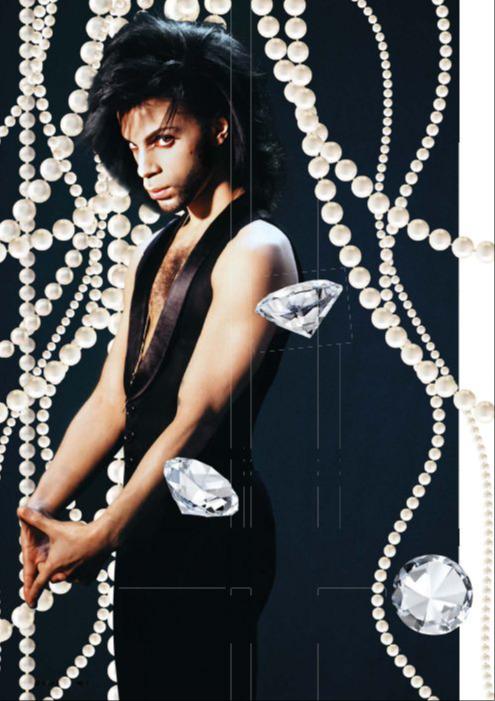
Purple power: Landing in Top 10s worldwide, Diamonds And Pearls made UK No.2 and US No.3
"Diamonds And Pearls is where the second chapter of Prince’s career begins. He’d had his way for an entire decade, but now he was trying to find his footing.” So says Prince And The New Power Generation drummer Michael Bland of the fallout from Graffiti Bridge.
The psychedelic Graffiti Bridge album and film in 1990 was a fascinating but flawed project, leading critics to seriously question if Prince was a one-decade wonder. However, the subsequent Diamonds And Pearls sold six million copies to become Prince’s second best-selling album, after Purple Rain.
“Diamonds And Pearls showed Prince could always come back,” smiles Bland. “Give Prince the right soldiers and the right team members, he could always win. A lot of people had counted Prince out after Graffiti Bridge, but his next album proved you could never bet against him.”
Prince had debuted New Power Generation as a band name in the film of Graffiti Bridge, with a song of the same title on its soundtrack. But Diamonds And Pearls is where the name became a reality. It made a huge difference.
“Prince went through a dark period around Graffiti Bridge,” remembers Michael Koppelman, the engineer on both albums. Along with NPG guitarist Levi Seacer Jr, Koppelman is the only person to have worked on both records. “Normally, Prince was always made-up, dressed for performance 100% of the time. But on Graffiti Bridge, he was mostly on his own and he’d wear an ugly sweater. For Diamonds And Pearls, he had people back around him. Prince was joking and playing basketball. New Power Generation brought a totally different vibe.”
LIVING
FOR
THE
CITY
In the homecoming preview show for Diamonds And Pearls’ tour, at his own Grand Slam club in Minneapolis in January 1992, Prince announces: “If it ain’t from Minneapolis, it ain’t worth shit.” It’s an ethos front and centre in Diamonds And Pearls. Although the album is generally categorised as ‘Prince goes hip-hop’ it’s more accurate to say that it’s his hometown celebration. Bland, bassist Sonny Thompson, keyboardist Tommy Barbarella, rapper Tony M and dancers Kirk Johnson and Damon Dickson all hailed from Prince’s hometown.
Johnson – who also plays percussion on the album – Dickson and Tony M (full name Tony Mosley) had been in a dance trio, TDK, who competed at the same amateur talent contests in Minneapolis where a teenage Prince played his first shows. “You already had incredible talents in Minneapolis before Prince,” recalls Tony. “Terry Lewis of Jam & Lewis was in Flyte Tyme, though I mostly knew Terry as my junior league football coach. Sonny Thompson was a huge guitar influence on Prince, and his group, The Family, were pure gangsters.
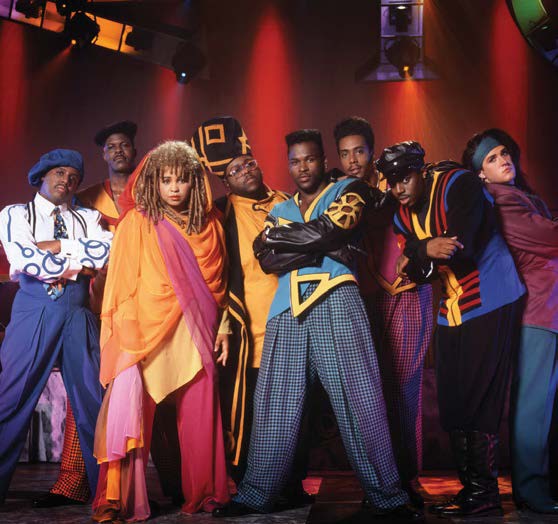
“If it ain’t from Minneapolis…” Prince’s iconic crew, New Power Generation
“Everyone had things that they could do – but Prince could do everything all the other groups could, and then brought his own style on top. From the start, Prince was unbelievable.”
Tony and Bland both believe Diamonds And Pearls is Prince’s homage to those early days, as Tony explains: “Our vibing in New Power Generation was a throwback to that Minneapolis sound. Sonny might start a bassline, or Michael a beat, and we’d build it up as a group. Once you got locked in, everyone would be going: ‘Ooh, this is nice!’”
Bland points out the differences in Minneapolis’ subcultures were key to the atmosphere, noting: “There were a lot of common references in New Power Generation, jokes over things we found funny about Minneapolis. “But Prince and the others were from the north side, while I was from southeast Minneapolis, by the university, where a lot of professors lived. North Minneapolis was an area I wasn’t allowed to go to, so the others had even more shared landmark experiences.”