THE UN-PEACEFUL PEACE: SCOTLAND AND THE US IN THE POST-WAR PERIOD
Dr Stephen Bowman examines the relationship between Scotland and the United States in the interwar period, discovering a shared experience of anxiety and social dislocation that was shaped by the historical connection between the two countries
Dr Stephen Bowman
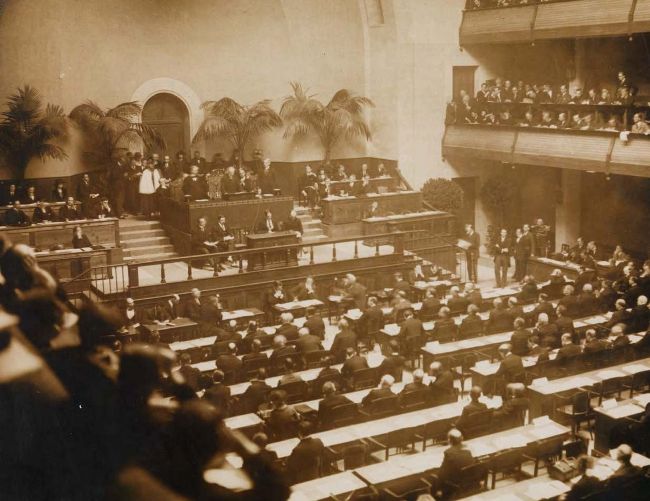
The official opening of the League of Nations in 1920. The decision of the United States not to join the League was a source of tension between Britain and America
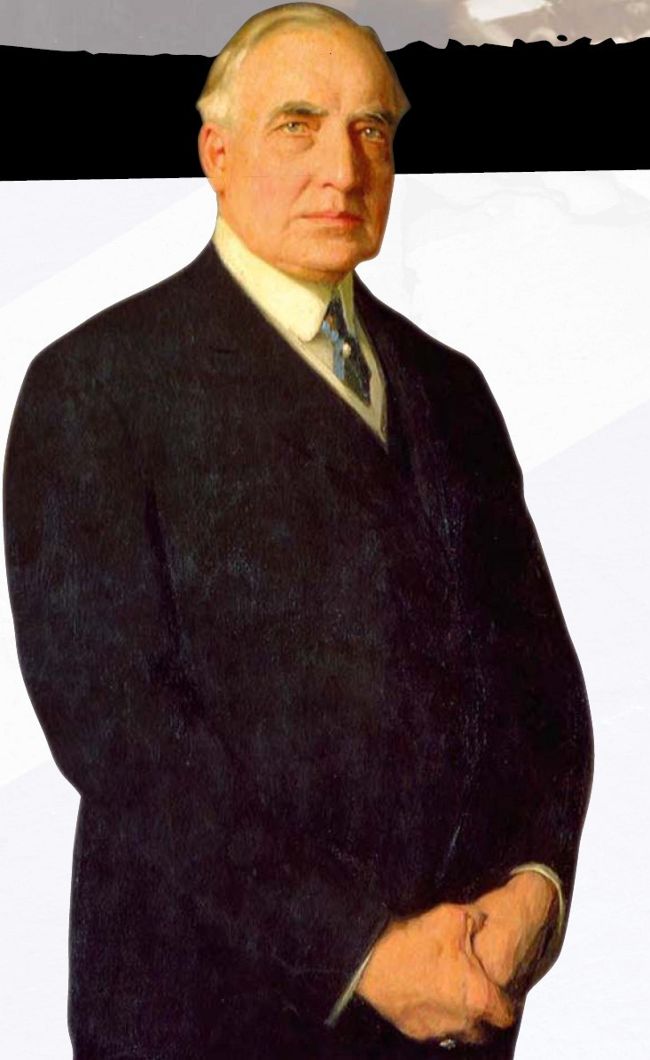
President Warren Harding. His presidency marked the beginning of the conservative republican ascendancy of the 1920s, the policies of which were characteristic of postwar anxiety
The First World War was an event of international significance. Such a statement seems too obvious to be worth making: it was a conflict between the main European nations involving soldiers drawn from across their colonial territories, but which also ultimately drew in other parts of the world, including the United States of America. In spite of this, the British popular imagination seems hard-wired to view the years 1914 to 1918 through poppytinted spectacles and with an allconsuming focus on the trenches of the western front. Like the war itself, however, the aftermath of the conflict is best understood with reference to experiences in, and connections between, different parts of the world. This article will therefore show how the history of the immediate post-war years in Scotland must also take into account developments elsewhere, in this case the US.
Thinking transnationally
One way of taking a more expansive approach to studying and remembering the First World War and its aftermath is to think about the conflict in a ‘transnational’ way. According to Akira Iriye and Piere- Yves Saunier, taking a transnational approach to the study of the past involves looking at the ‘people, ideas, products, processes and patterns that operate over, across, through, beyond, above, under, or in-between polities and societies.’ In other words, it is necessary to become sensitive to the ways in which people in different parts of the world were linked in the historical past. Often what happened in the past is best understood and explained in this transnational way. This is certainly true of events in Scotland, elsewhere in Britain and Europe, and in the USA in the period immediately following the end of the Great War.
Taking this approach to the post-war years involves seeking to understand how people engaged with a whole range of political and social anxieties, economic challenges and ideological battles that had both local manifestations and transnational causes. The trauma of events at home and abroad during and after the conflict – for example the political unrest of the Red Clydeside years and concomitant worries about international bolshevism, together with economic instability – shook the confidence of many in Scottish society. Similar developments were unfolding in the US, especially with the 1919 red scare and a renewed intolerance for political radicals, African Americans and immigrants. These events were linked. Moreover, in the context of post-war anxiety, long-standing transnational connections between Scotland and America were simultaneously remoulded and redeployed in an attempt to make sense of Scotland’s, Britain’s and the US’s places in the world. This article will look at some of the ways in which this was so.
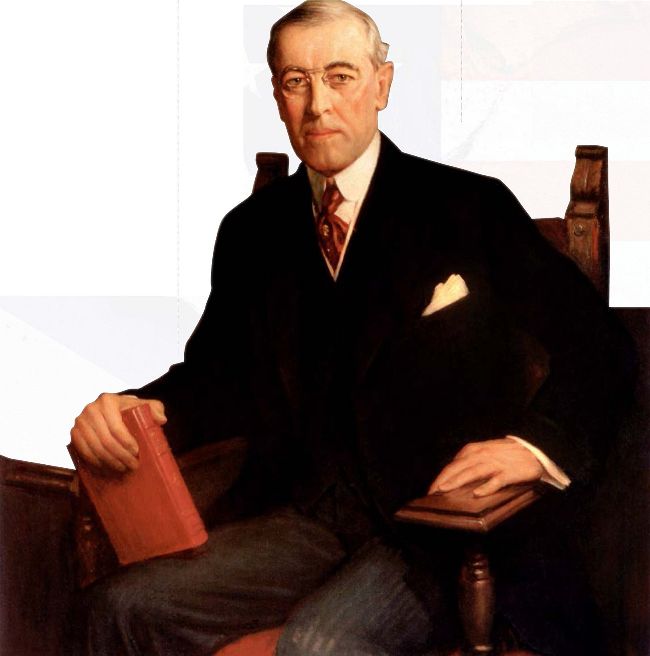
President Woodrow Wilson by Frank Graham Cootes (1913). The president urged his countrymen to remain ‘neutral in thought as well as in action’ at the outset of the First World War
Leggete l'articolo completo e molti altri in questo numero di
History Scotland
Opzioni di acquisto di seguito
Se il problema è vostro,
Accesso
per leggere subito l'articolo completo.
Singolo numero digitale
May - Jun 2019
Questo numero e altri numeri arretrati non sono inclusi in un nuovo
abbonamento. Gli abbonamenti comprendono l'ultimo numero regolare e i nuovi numeri pubblicati durante l'abbonamento.
History Scotland