Wind And Wuthering: The Story Of Kate Bush’s The Kick Inside
In March 1978, a young singer-songwriter called Kate Bush shot to the top of the UK singles charts with Wuthering Heights. Based on Emily Brontë’s gothic novel of the same name, it was the centrepiece of Bush’s debut album, The Kick Inside, and introduced her elegant songwriting and explosive baroque pop to the unsuspecting masses. With a little help from some early collaborators and a few famous fans, Prog charts her journey from teenage wonder to one of the most unique and influential artists of the modern age.
Words: Jo Kendall
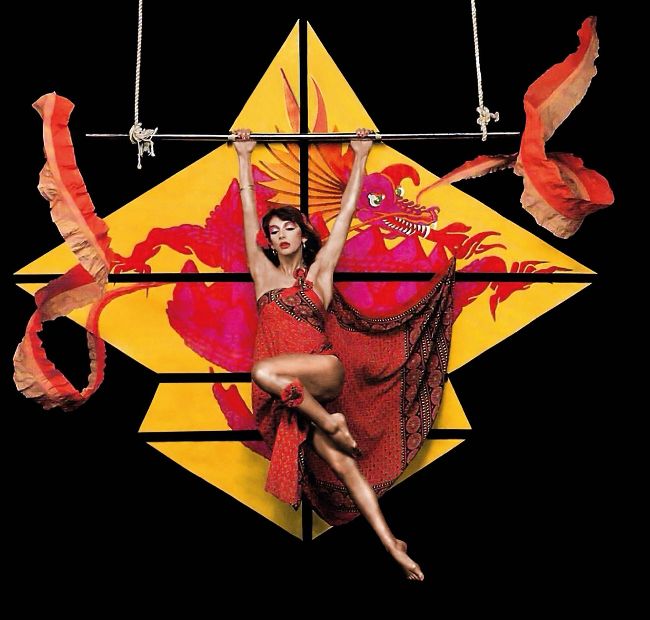
An outtake from Jay Myrdal’s The Kick Inside cover shoot (see page 30).
“Dave was doing his guardian angel bit… he was great, such a human, kind person – and genuine. [He] put up the money for everything. It must have cost a fortune, but he didn’t want anything out of it.”
Kate Bush
Image: Jay Myrdal
She was the baby of the family, born in Bexleyheath in 1958, but in her elder brother John’s black and white snapshots of her aged between eight and 12, dressed up and posing in various places around the extensive family plot of East Wickham Farm and their seaside retreat near Margate, Kate Bush’s sweet little visage often shows a deep, pensive look that’s beyond her years.
Kate –then answering to Cathy – was taking everything in. Her semirural upbringing on the border of Kent and south-east London was a social bubble filled with family love, happily disrupted by two much older siblings who brought art, philosophy and music into an already culturally vibrant and liberal home. Their parents balanced practical jobs –their Irish mother a nurse and Essex-born father a doctor –with an enjoyment of fun and entertaining friends. While Kate’s brothers John (more frequently called Jay) and Paddy honed skills in martial arts, photography and performing folk music, Kate was surrounded by classic English poetry and literature, Celtic folklore and fairy tales, and she started to write poems. Some were published in her school magazine –a rare highlight in a time of unhappiness while at St Joseph’s Convent Grammar School, where Kate had few allies. Back home, comedy, TV drama and old films provided comfort when she wasn’t plonking away on a decrepit old church organ in one of the outbuildings, or spinning discs by Donovan, Bowie, Elton, Roxy, Billie Holiday and John Fahey.
The Click Inside
Jay Myrdal, who shot the stunning sleeve photograph, on his role in Kate’s beginnings.
“I came to England in ’65 from the US army. I’d always wanted to be a photographer, but I struggled with finding opportunities to do that.
I finally started making money in 1968 photographing naked ladies for the burgeoning men’s magazines of the day, Men Only and Club International. By the time of the shoot, around 1977, 1978, I was transitioning into advertising and learning how to create special effects from scratch.
“I’d met Steve Ridgeway in the men’s magazine days, and now he was an art director at EMI. He got the Kate Bush commission, so he came to me to shoot it. Kate was unknown, and I’d been sent a tape of her music to hear before the shoot. It was fairly accomplished, but it was a bit shrill for me [laughs].
“My studio was in London Mews, Paddington, and on the day before the shoot Kate’s father turned up with a bunch of paper and sticks, and he started constructing the kite which appears in the picture. Me and Steve hung it on the wall. At this point I didn’t know the full creative brief, so I told EMI I’d be shooting it on a black background. The full image would have the kite against an eye, which referenced Disney’s Pinocchio when Jiminy Cricket floated down past a giant whale’s eye [looking for his swallowed friend]. I wish I’d known this, I would have corrected the colour and lighting accordingly as I felt Kate’s legs looked wrong, sort of dirty, in the final composition.
“When Kate arrived, we took Polaroids of the set-up and Kate was very hands-on. She was young, but she knew what she wanted. She went into makeup and had gold paint applied to her skin – an OK job, not brilliant. We then got her hanging from a silver bar that I’d put up. It was right in front of one of the black struts of the kite so it could be comped out easily by the EMI art department. Then the shoot was over and Steve and I went on to the next job, as you do.
“Kate came back to the studio a few times, firstly to pick up the kite. Then she dropped in to say hello as she was visiting a place that was opposite us on the mews, a synthesiser dealer called Syco Systems. Later, she acquire a Fairlight there, but at this time she didn’t have the means. It wasn’t long until her career went ballistic, though – and she never dropped by again [laughs].
“For years I didn’t use this image in my portfolio as I was disappointed with that background comping issue. I’ve seen reproductions of it that aren’t too bad, and I have another shot from this session that I did show to people. I know it’s a striking image, though, and no one notices what I’m noticing.
“The Kick Inside came 23rd in one of those Best Album Cover polls you see online from time to time, which I’ll take, thank you! I really liked the concept and later I started to really love Kate’s music, so I feel grateful to have been a small part of this story.”
JK
See more of Jay’s very proggy special FX work at myrdal.com.