NEW POWER GENERATION
Despite supply issues and tech trouble, Formula E returned in Mexico City for its much-vaunted Gen3 dawn. Sam Smith reports on how the likes of Porsche, Jaguar, Andretti, McLaren and Nissan were coping with their new, zippier cars
XAVI BONILLA / DPPI

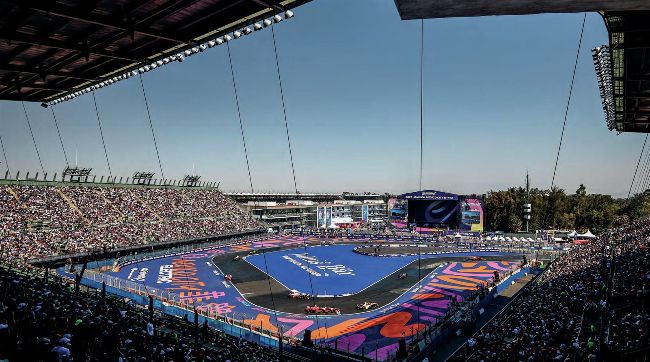
Andretti’s Jake Dennis is off to a flyer with a win in Mexico City
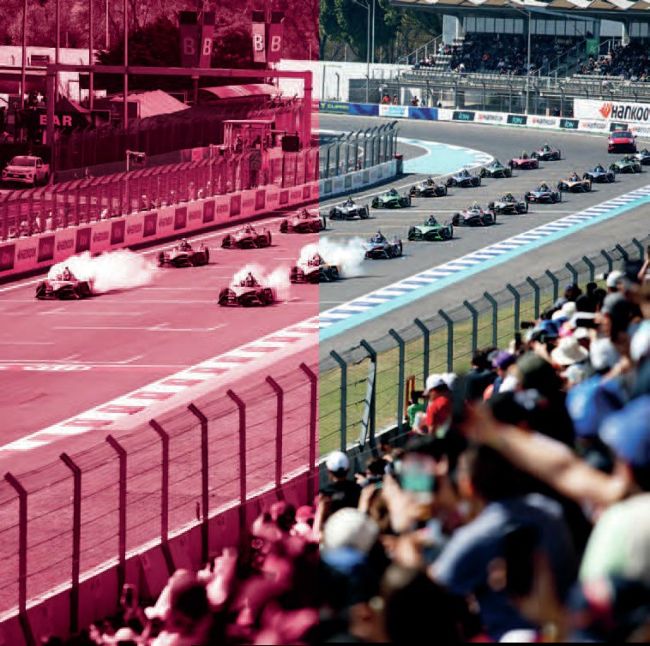
Burning rubber at the start of the ePrix in the new nippier Gen3 car
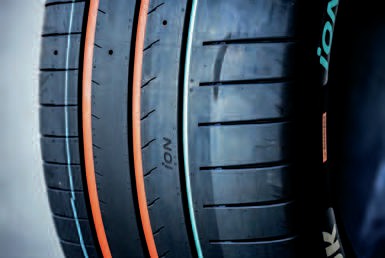
Hankook is the new tyre supplier for Season 9, taking over from Michelin;
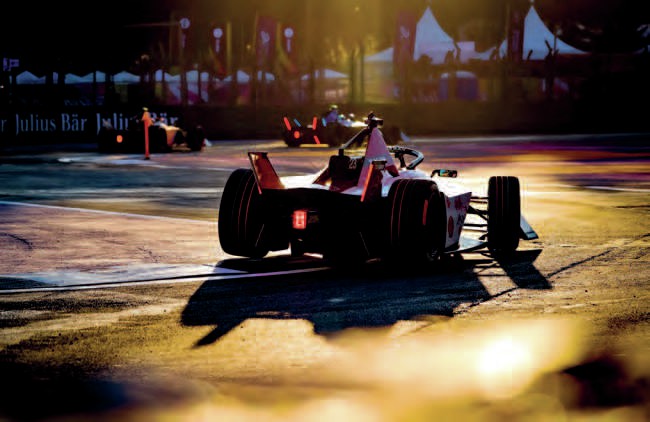
Nissan’s Sacha Fenestraz made only his second Formula E start but finished well down the field – 15th
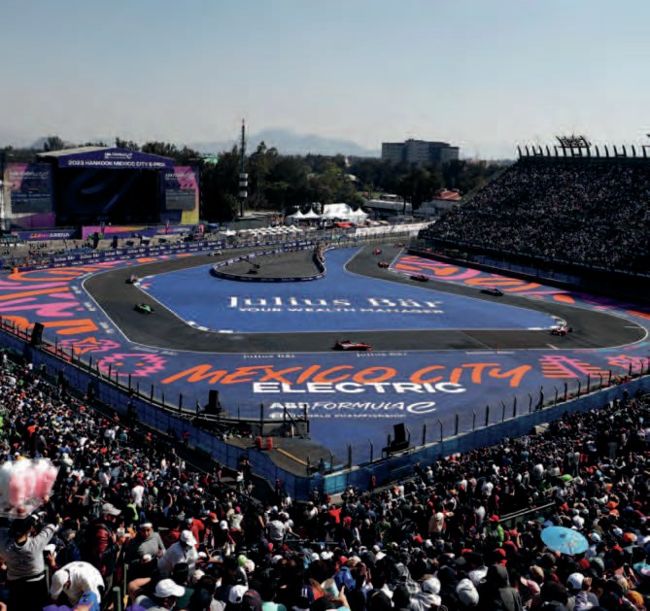
A good turnout for the 101st ePrix;
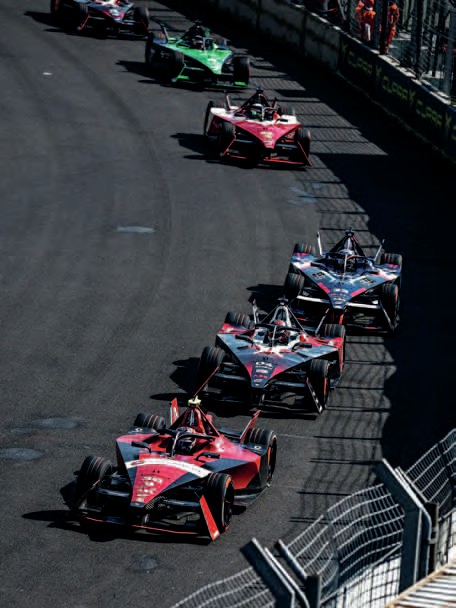
André Lotterer, leading, has raced in Formula E since 2017
Almost a decade on from Formula E’s birth, its third generation of cars brought a new electric circus to Mexico City in January. But whether its big-top performers created the desired spectacle is still to be decided upon.
When former FIA president Jean Todt presided over the birth of what he often described as ‘his child’, the notion of an electric championship seemed fanciful and foolhardy. Since 2014, when its fitful first season began, it has attracted more manufacturers than most other international series put together, achieved a fully fledged world championship status and become known as one of the best paydays for drivers outside the top Formula 1 echelons.
The boom season was 2019-20. That was when the four German giants Audi, BMW, Mercedes and Porsche first did battle with each other. Since then, three have abandoned the sport leaving Porsche as the slightly awkwardlooking last German standing.
The Gen3 racers were supposed to quash the notion of the series’ demise. They are the most technologically advanced seen so far. They are wringing much more regenerative energy, have no rear friction brakes, are lighter and more powerful and eventually will be able to carry out fast-charging pitstops.