The greatest historic race ever staged
California, 1976: how do you convince US motor sport fans brought up on oval racing to pay to see Formula 1 in their own backyard? As Preston Lerner reveals, the answer was to host the most incredible support race the world had ever seen – a historic blow-out with a cast of star drivers and machines
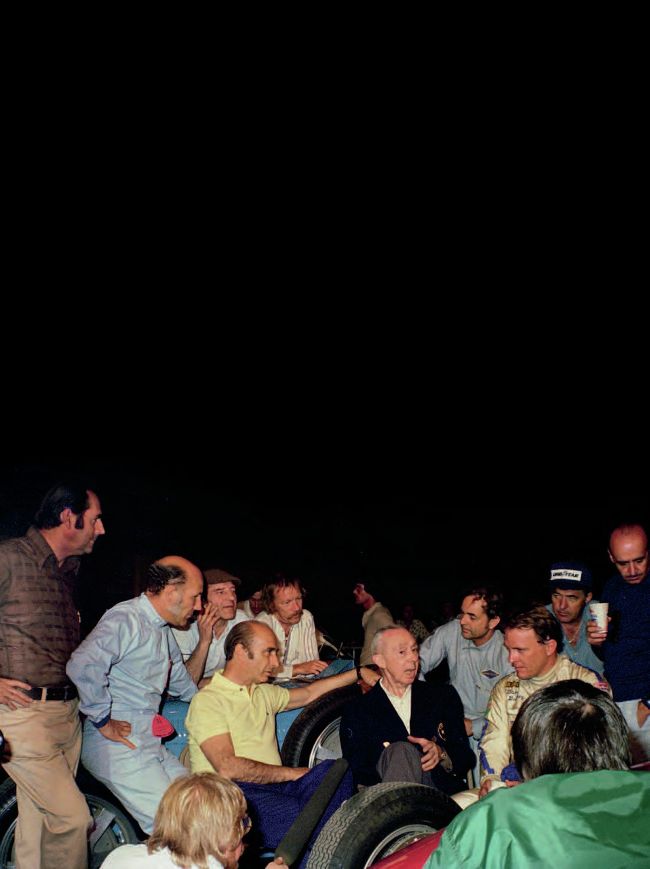
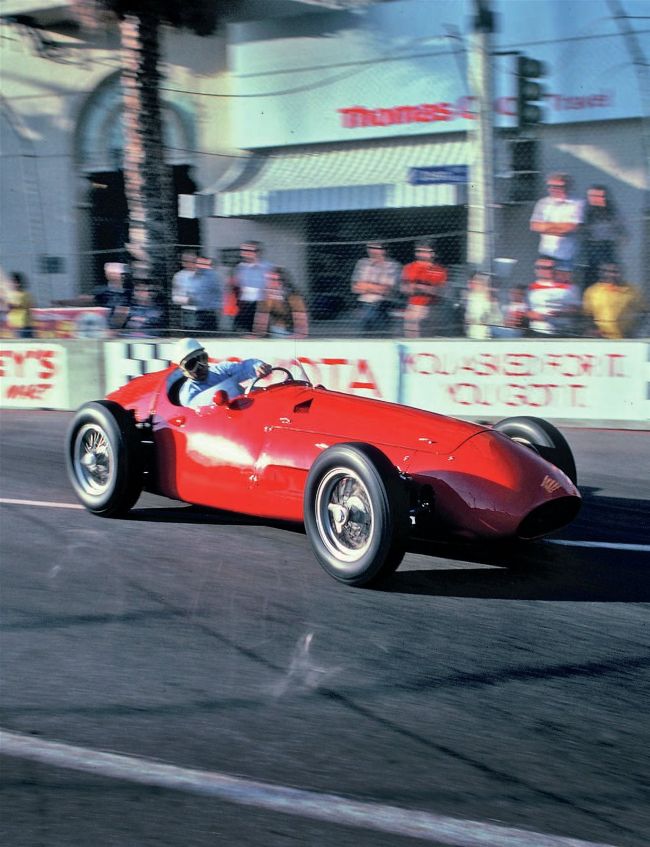
Some of the finest F1 names flocked to California in 1976. From left: Jack Brabham, Stirling Moss, Innes Ireland, Juan Manuel Fangio, Richie Ginther, René Dreyfus, Phil Hill, Dan Gurney, Carroll Shelby and Maurice Trintignant. Opposite: Moss reunited with his 1954 Maserati 250F
LARRY CRANE
PHOTOGRAPHY: PHIL REILLY COLLECTION
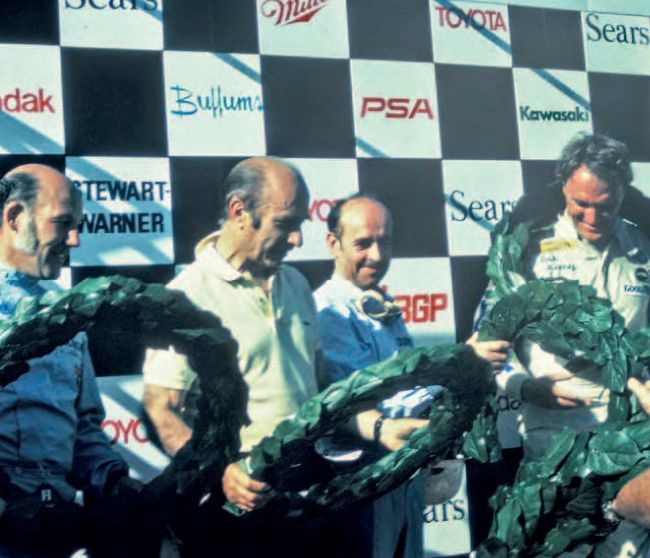
Garlands for Moss, Fangio, Trintingnant and Gurney
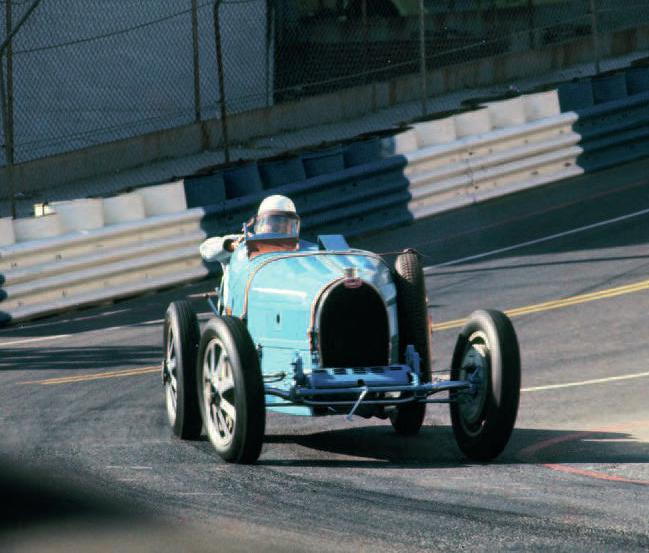
The Bugatti’s steering was too heavy for Dreyfus
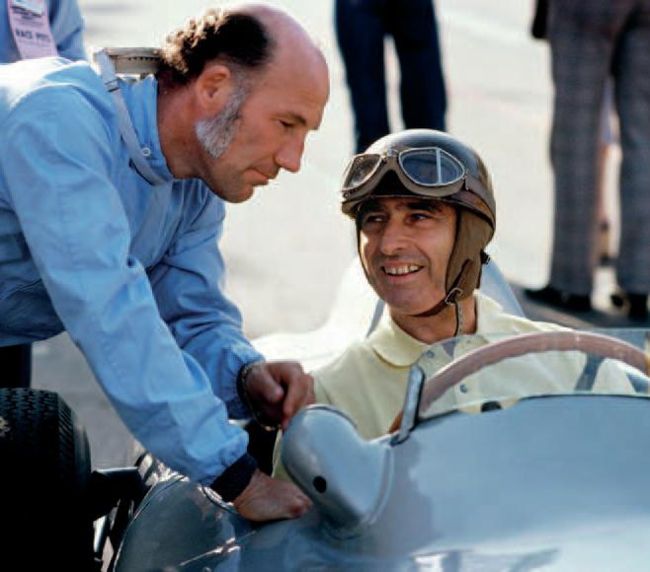
Former Mercedes team-mates Moss and Fangio with a W196
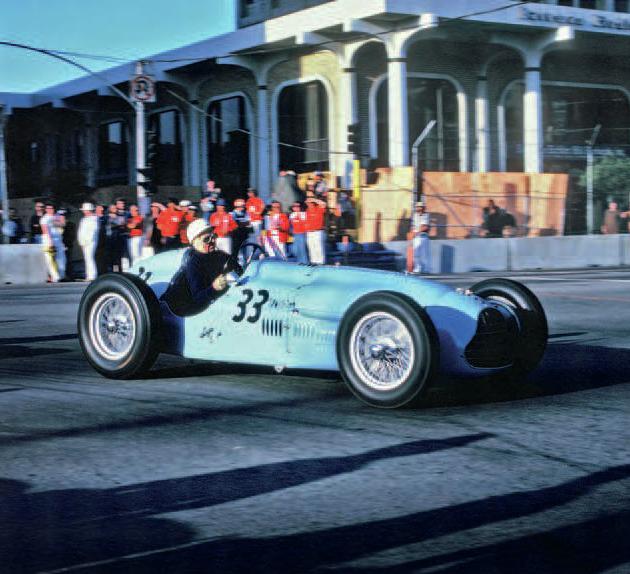
Maurice Trintingnant took the wheel of Briggs Cunningham’s 1952 Talbot-Lago.
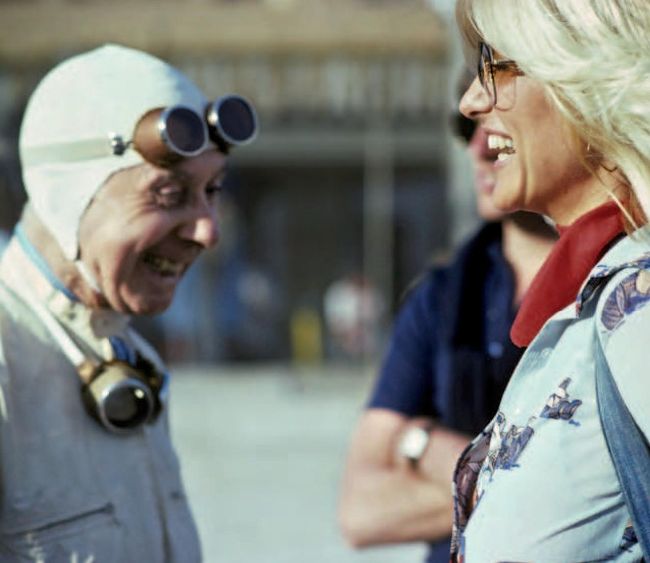
Phil Hill stepped in. Right: Dreyfus was 70 when he arrived at Long
Beach. Linda Vaughn was a pit regular in the US, a mix of model and sassy marketeer
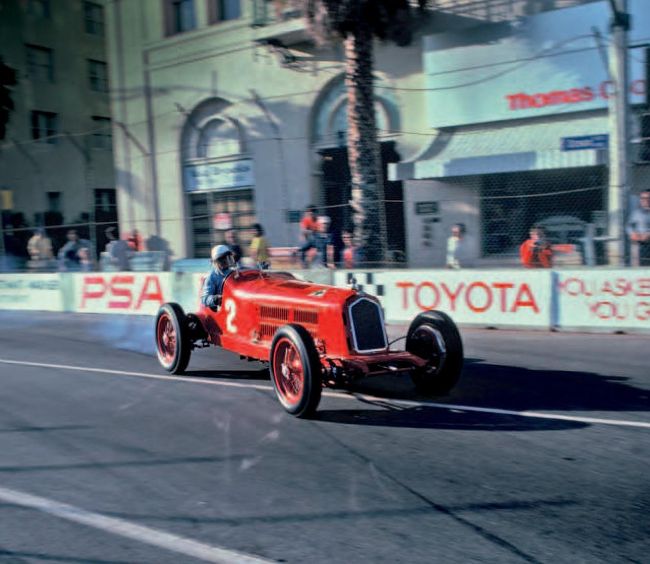
Hill was initially entrusted with a 1932 Alfa Romeo 8C 2300 Monza from a private collection.
Most halfway serious race fans know that the inaugural Long Beach Grand Prix – technically the US Grand Prix West – ushered in the age of modern street circuits in 1976. But only the geekiest trivia hounds know that the event also featured perhaps the greatest historic race of all time.
Imagine an entry list with 12 drivers who’d won 10 world drivers’ championships, 10 Monaco Grands Prix, six Le Mans 24 Hours and 73 points-paying Formula 1 races, not to mention 64 non-championship F1 events and one Indianapolis 500 thrown in for good measure. As Jim Stranberg, who worked at Long Beach as a Bugatti mechanic, puts it, “At that race, I met every hero I ever had – at least the ones who were still alive.”
These days, of course, the legends of yesteryear turn out en masse year after year at lavishly funded and meticulously curated celebrations of motor sport history such as the Goodwood Revival and the Porsche Rennsport Reunion. But in 1976, historic racing was in its infancy, especially in the United States, and gatherings of this sort were still the stuff of fantasy.
Steve Earle had staged the first Monterey Historic Automobile Races at Laguna Seca Raceway only two years earlier. While getting the event off the ground, he met a would-be motor sport entrepreneur named Chris Pook. British by birth and a tour agent by trade, Pook had a dream – some sceptics called it a delusion – that holding a Formula 1 race on the streets of downtown Long Beach would help transform a seedy port city filled with dive bars and X-rated movie theatres into an internationally renowned destination metropolis.