LONG AND WINDING ROAD
When THE BEATLES set up in Twickenham Film Studios for fractious rehearsals in January 1969, they thought they were working up new songs for a live concert and a TV special. While the TV show never materialised as planned (was there even a plan?), an album and film, both called Let It Be, certainly did. Fifty years on from their release, Peter Jackson’s new film Get Back will finally uncover the story behind the legend, a tale of enduring relationships, new challenges and, ultimately, recovered innocence. Directors Peter Jackson and Michael Lindsay-Hogg, Paul McCartney, Ringo Starr and a cast of supporting players help John Robinson negotiate phase one, where Doris gets her oats
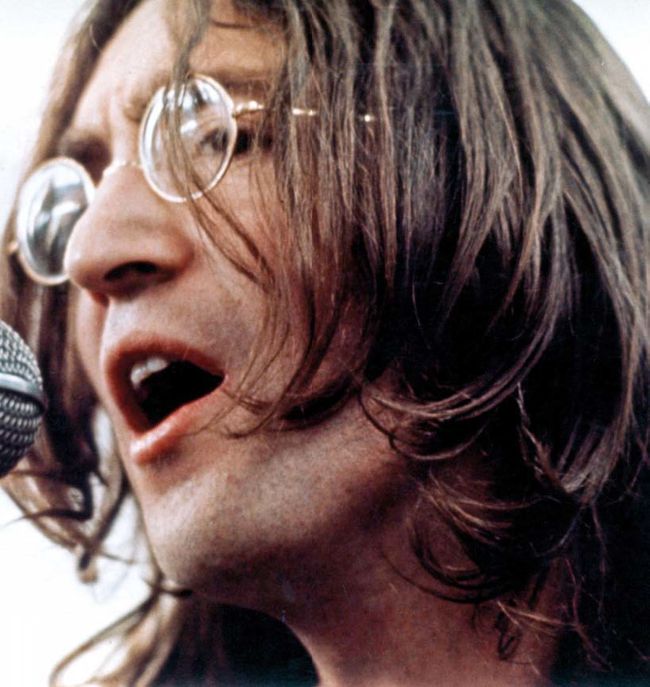
PICTURELUX/THE HOLLYWOOD ARCHIEVE/ALAMY STOCK PHOTO EVERETT COLLECTION INC / ALAMY STOCK PHOTO
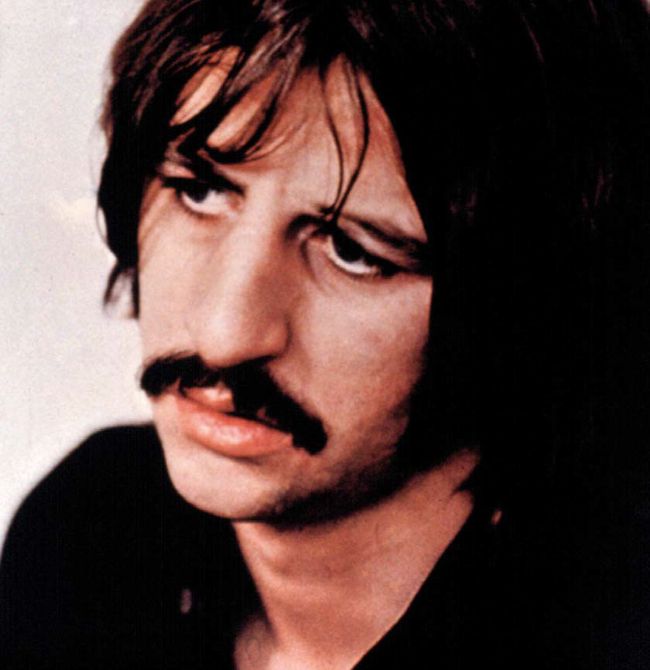
Getting back to where they once belonged : Lennon, MaCartney, Marriaon and Starr
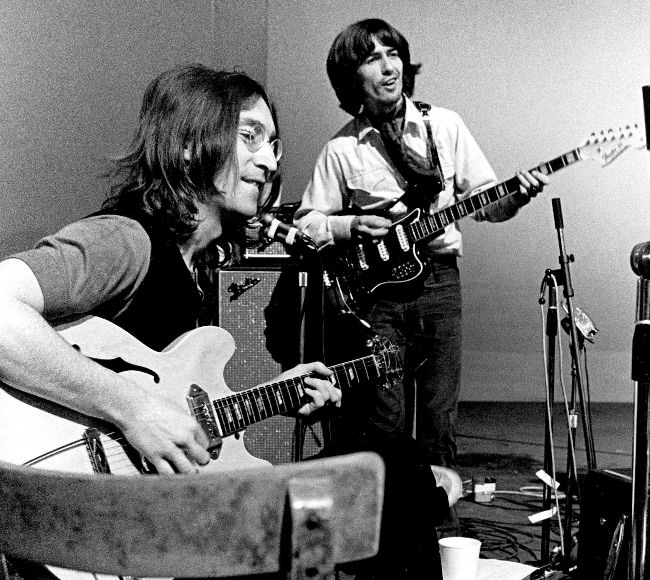
Strained rehearsals in Twickenham, January 7, 1969, two weeks before The Beatles reconvened at Apple Studios, Savile Row
PICTURELUX/THE HOLLYWOOD ARCHIVE-ALAMY STOCK PHOTO;EVERETT COLLECTION INC/ALAMY STOCK PHOTO
IT BEGINS with a close-up of a bass drum head, and the sight of two people moving a piano across an empty sound stage. It ends in central London 81 minutes and nearly a month later: January 30, 1969, with The Beatles playing a short set on the rooftop of their office at No 3, Savile Row. Much as has been the case for the past four years of their working lives, they can be heard clearly by many, but remain very much out of sight to all but a few.
It’s a strange and intermittently joyous film, but Let It Be, the 1970 documentary by former Ready Steady Go! director Michael Lindsay-Hogg, isn’t universally viewed with fondness by those who participated in it. That may be down to the fact that while it includes jokes, affection and great Beatles music, it also contains footage of rock music’s most notorious workplace argument. Sixteen minutes into the film (an event taking place on January 6), Paul McCartney gently suggests how George Harrison might like to approach his playing, thereby providing documentary evidence of the cracks in The Beatles’ hitherto united front. The part is complicated, Paul concedes, but…
Harrison: “…It’s not complicated. I mean, all I’m playing is the chords.”
McCartney: “No, no, come on, you always gotta knock me when I say that. I’m trying to help yer, but I always hear myself annoying yer.”
Harrison: “No, you’re not annoying me.”
McCartney: “It gets so I can’t say…”
Harrison: “You don’t annoy me any more.”
“I don’t remember it fondly, because it was a very difficult time,” McCartney told Uncut, in unpublished interview material from 2015. “For me, it’s quite painful because it was to do with the breakup. I pissed George off, which I never wanted to do in a million years.”
Ahead of Paul and George in the coming weeks were the freewheeling recordings at Apple’s Savile Row studios, which 18 months later ultimately became the Let It Be album. At this time, though, the notion receiving deep consideration was that this new music would form part of something more ambitious: an audio-visual spectacular, to be called ‘Get Back’. Concept: The Beatles returning to live performance. Proposal: a live concert and TV special. Venue/other technical details: to be discussed.
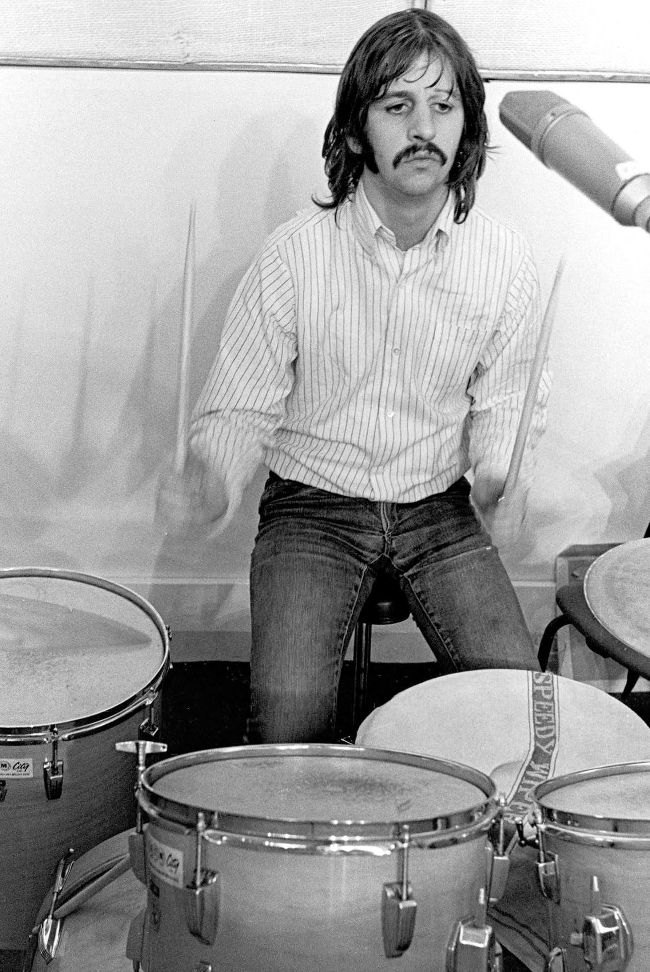
At Twickenham Film Studios and in central London, the band and the project’s director Michael Lindsay-Hogg debated exactly what should occur in ‘Get Back’ and who should be responsible. Relative enthusiasms for the project were gauged (Paul: pro; George: anti; John: noncommittal; Ringo: pro parts of it) and boundaries tentatively marked out. As the month passed, and new songs were rehearsed, film cameras and audio tape rolled every day, recording the project as it took shape, but also tangentially amassing a massive audio-vérité archive of the post-Fab four. Amid rehearsals of what we will come to know as classic Beatles songs, there grew alongside it a chronicle of a vibrant working rock band: chat, rock’n’roll cover versions, discussion of the news, coughing, pleasantries, puns, lunch and fond reminiscences.
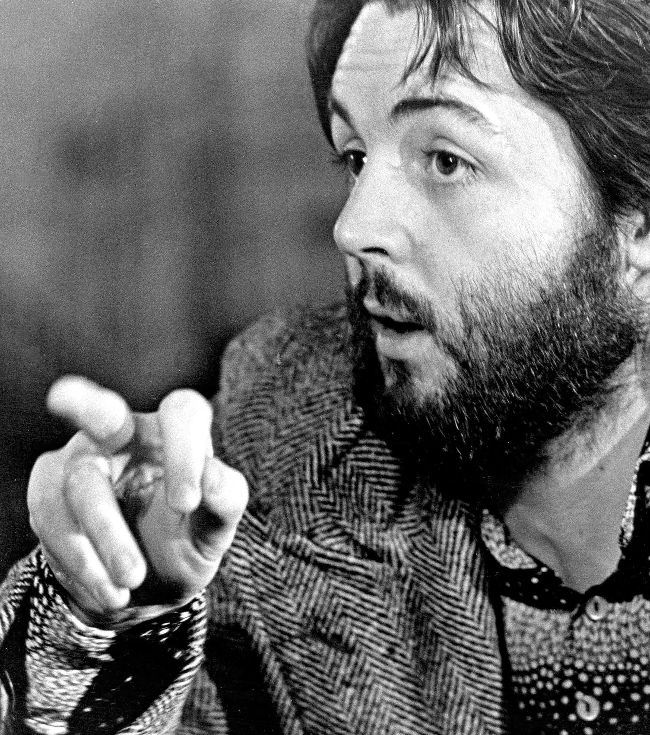
The filmmaker Peter Jackson has now gathered all this footage together and dived into it, on a mission to reconsider the evidence. It’s no spoiler to say that in spring 1970 The Beatles will still break up, but speaking to Uncut as he assembled his final cut, Jackson suggested his aim was to free the often delightful ‘Get Back’ footage from its unwanted role in foreshadowing the end of The Beatles nearly 18 months later. “The movie and album didn’t come out until May 1970 and they were in the middle of their divorce,” Jackson says of the association. “The band was breaking up, they were suing each other and obviously it was a really stressful, unhappy time.”
Certainly it’s not a period the band have previously entered into with much enthusiasm. Speaking to Uncut in 2015 about Let It Be’s upcoming anniversary, Ringo Starr was not optimistic about any surviving Beatle celebrating the original film. “I thought it was a lot one-sided,” he said in previously unpublished material. But would it come out again? “Nobody’s talking about it right now, I can tell you that,” he concluded with not much enthusiasm.
And yet due to be released in only a couple of months is a celebratory new archive documentary by Peter Jackson, called The Beatles: Get Back. Ringo’s seen chunks of it on Peter Jackson’s iPad and says it contains “joy”. So what is it that the filmmaker has discovered? And why are The Beatles happy for him to dig it all up again now?
“I DON’T REMEMBER IT FONDLY… IT’S QUITE PAINFUL”
PAUL McCARTNEY
HARD to credit, when you consider the scale of the thing - just scratching the surface here: the raw materials for two Beatles albums, the hours of audio, an album put together by one person and finished by another, the two films, and the 25 minutes of Beatles Anthology devoted to it - but ‘Get Back’ was conceived of as a way of simplifying the way that The Beatles went about things.
In the post-Beatles world of October 1983, the poet Philip Larkin noted that The Beatles’ particular problem was having not been able to conform to showbusiness gravity. They got to the top, “but The Beatles could not get down”.