10 training PITFALLS...
And how to avoid t hem Nobody said training your dog was going to be plain sailing — and we all make mistakes sometimes. Top trainer and behaviourist Jackie Drakeford looks at some of the most common errors.
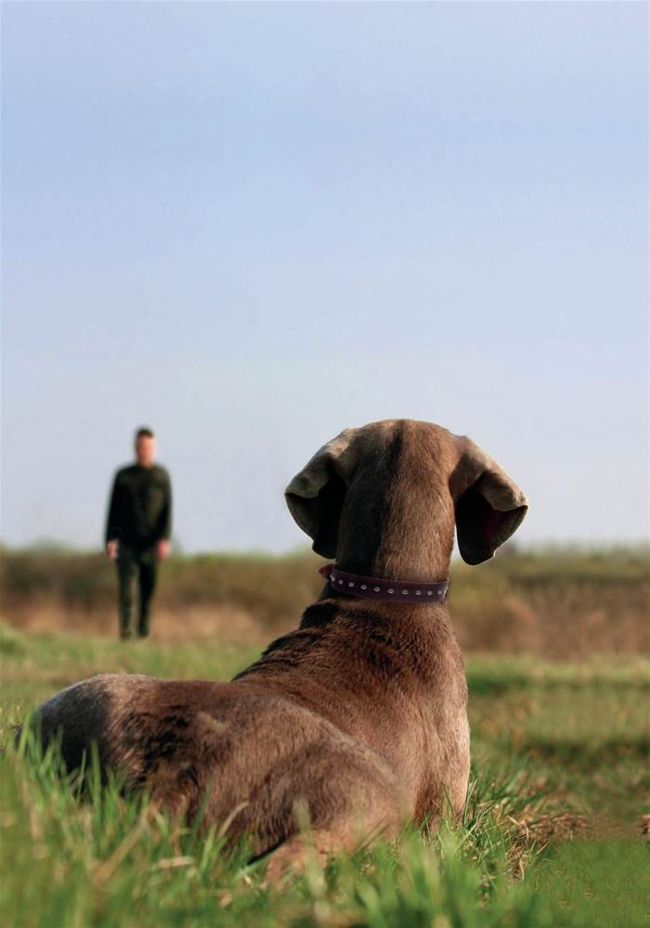
Some dogs love to learn new skills.
The basics of training are straightforward — know what you want, make it clear to your dog what that is, make it worth his while to do it, and proof the successful result with rewards.
But, as ever, the devil is in the detail.
Different dogs, categorised by breed type, individual character, and life experience, need training that matches their specific nature, and what works for one may leave you wrong-footed by another’s lack of engagement.
Some dogs love to learn new skills, and your time together is blessed with ‘What are WE going to do next?’ Others prefer only to obey when they can see a clear advantage to doing what you want, and their mantra is: ‘What’s in it for me?’
Although you can train most dogs to do most things, you cannot train an attitude that isn’t already part of the individual breed type or mix. You could well create resentment and disengagement if you push a dog too hard to do something that goes totally against his genetic programming. So, let’s have a look at some common stumbling blocks.
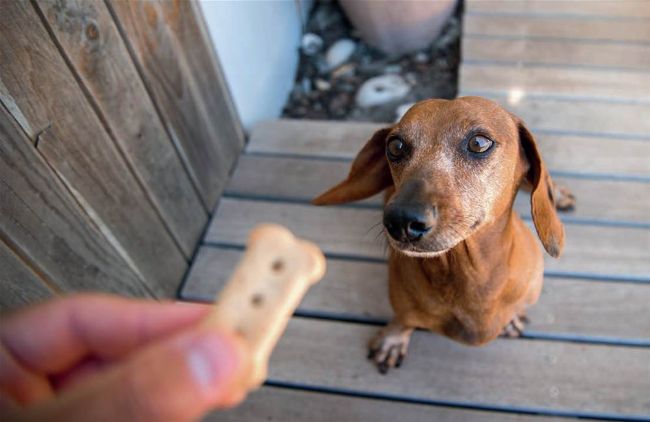
Discover which rewards work for your dog.
1
MAKE YOUR REWARDS REWARDING!
Not all dogs are motivated by food (yes, really!); some prefer a game, a retrieve, or a good snuggle, while others are indifferent or positively horrified at the suggestion of anything but the subtlest control. Many dogs would rather down tools than do something they wouldn’t normally choose to do, for a human who offers rewards they don’t enjoy, which by definition aren’t rewards at all! For those who are unenthusiastic about food, sometimes a really delicious treat will cut the mustard, but more often a game of tug or chase will be much more appealing. Others will work their hearts out for anything edible, however dull. Find out what makes your dog’s heart sing.