COOFFEE AND TV
AS TWIN PEAKS MARKS ITS 30TH ANNIVERSARY, WRITER/PRODUCER HARLEY PEYTON LOOKS BACK AT WHAT MADE DAVID LYNCH AND MARK FROST’S SERIES SUCH AN INDUSTRY CHANGER
WORDS: TARA BENNETT
THIRTY YEARS AGO, TELEVISION was not prepared for how director David Lynch and writer Mark Frost would change it forever. On 8 April 1990, their new ABC network series Twin Peaks debuted in the US, and minds were cumulatively blown.
Ostensibly about the murder of homecoming queen Laura Palmer (Sheryl Lee) in a tiny rural town in the state of Washington, Lynch and Frost’s drama would quickly prove that it was ahead of its time in every way.
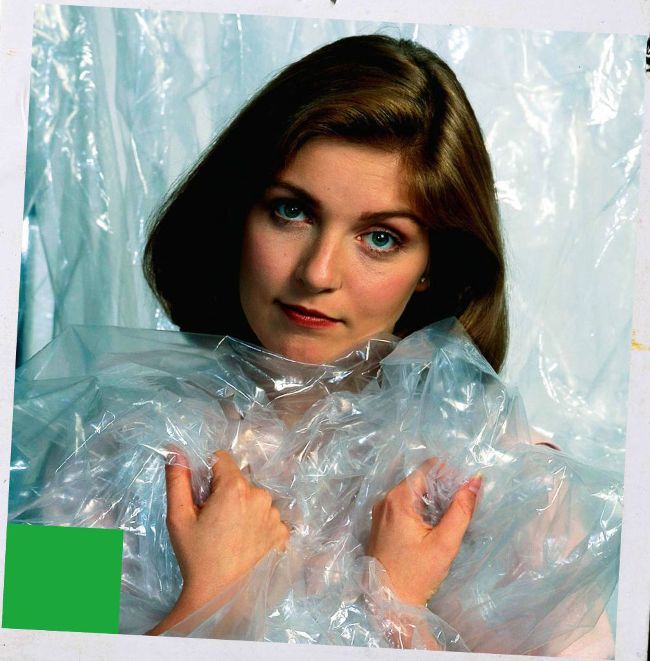
“She’s dead… wrapped in plastic.” Who killed Laura?
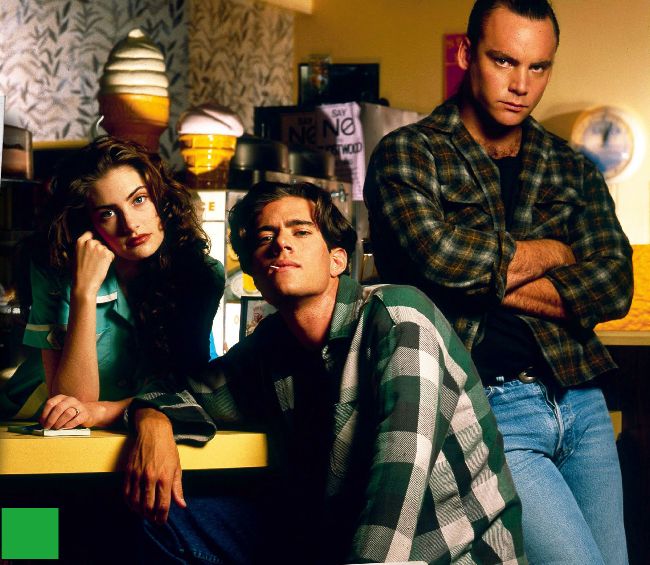
Shelly, Bobby and Leo: this is not going to end well.
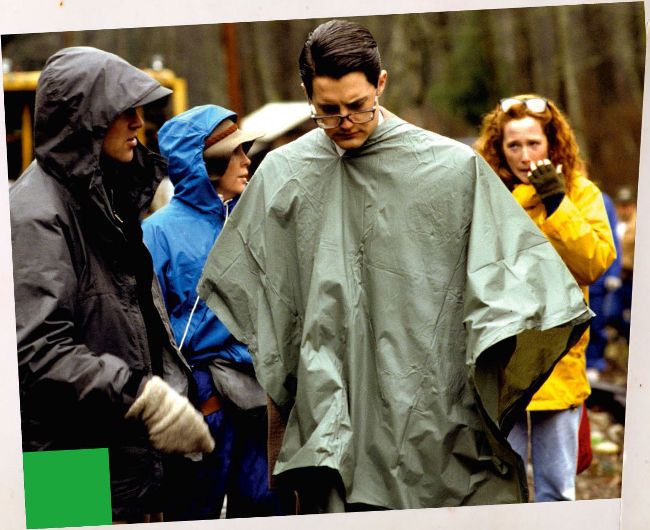
Dale Cooper wouldn’t be seen dead in this mac.
The central murder mystery and the soapy lives of the residents were the accessible and intriguing entry points for most viewers. But hiding beneath those familiar tropes was the decidedly unfamiliar. Lynch’s moody, cinematic visuals looked like they were plucked from the cinema, light years beyond the uniform look of other comedies and dramas.
Then there was the off-kilter way everything was presented. From FBI Special Agent Dale Cooper (Kyle MacLachlan)’s incessantly peculiar voice memos to a mysterious “Diane”, to all the emotionally heightened performances underscored by Angelo Badalamenti’s jazzy, noir music, Twin Peaks was weird, beguiling and sometimes frightening. There was nothing like it anywhere else on the television dial, which is why audiences initially gravitated to it in droves.