AUDI A4 TO BECOME NEXT-LEVEL EV AS RIVALRY HOTS UP
Compact exec EV will harness game-changing tech and new-era looks
GOT A STORY Email our news editor will.rimell@haymarket.com
Audi is preparing to battle the electric BMW 3 Series and Mercedes-Benz C-Class with a radical new take on the A4 that is due to go on sale in three years with a game-changing new platform, next-level software and a striking new look inspired by the TT.
Set to be one of the first production cars designed according to the ‘Radical Next’ design philosophy, as previewed by Audi’s
Concept C sports car, the A4 E-tron will play a crucial role in the firm’s shift to becoming a manufacturer of electric software-defined vehicles. The move is part of a completely new strategy aimed at sparking global growth and defending the brand’s market share from rivals old and new.
Development of the new electric A4 was confirmed to Autocar by Audi CEO Gernot Döllner, who said the exec EV’s launch will form part of “the biggest change in the history of the company”, as Audi seeks to “completely rebuild” its product line-up, design language, corporate structure and strategic outlook.
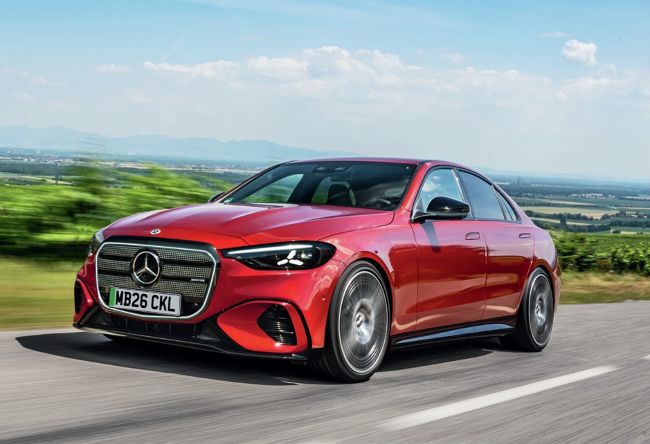
Rival electric C-Class EQ will arrive next year with a range of 497 miles
AUTOCAR IMAGE
Already, the firm has reversed its polarising model naming strategy, pledged to cull its least profitable model lines and axed thousands of jobs as part of a global cost-cutting drive in response to a dramatic decline in deliveries and rising costs – and in anticipation of stormier seas ahead.
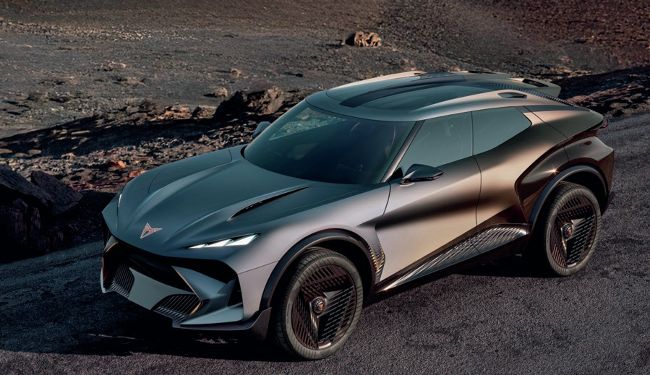
SSP-based Cupra Tindaya uses range-extender technology
WILL AUDI TURN TO RANGE-EXTENDERS?
Although it has been engineered primarily for pure-electric cars, the SSP architecture can accommodate a combustion engine for use as a range-extender – as showcased in the Cupra Tindaya, which is said to be capable of 620 miles between fill-ups.
Audi CEO Gernot Döllner said the German firm is also “investigating range-extenders and their opportunities” but was sceptical about their prospects in Audi’s home market. He said: “For Europe, I don’t see range-extenders as a necessary solution. The charging infrastructure – at least in France, the UK and Germany – will be excellent over the next few years, and the distances are not that big.
“You don’t need a range-extender with battery-electric vehicles going way above 500km [320 miles] and then only having a 15 to 20-minute charging stop.”