How to get a period house renovation right
Alan Tierney reveals how taking a sensitive, well-researched approach can provide you with a comfortable, characterful home
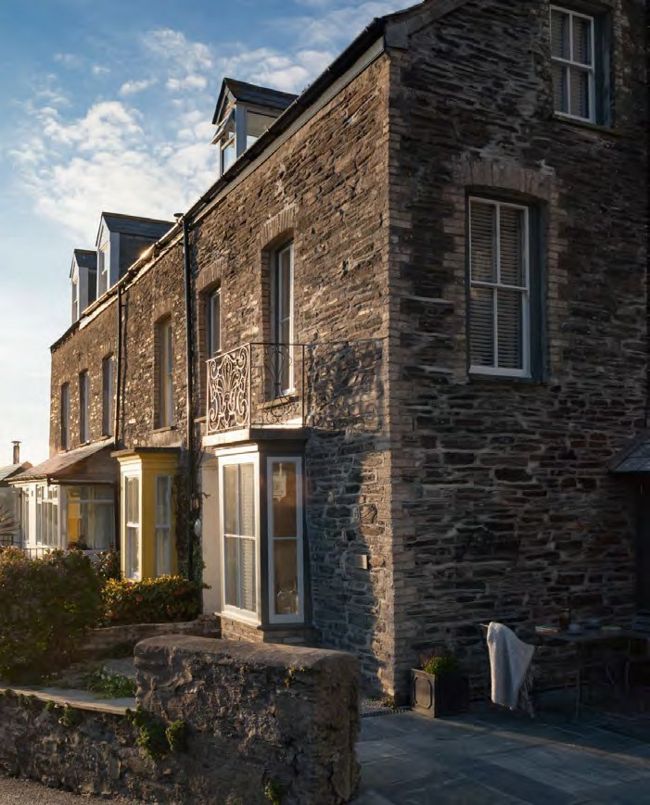
This Victorian house was built into the side of a hill; with water pouring in through three of the four walls underground. The homeowners’ only choice was to dig out the floor – by removing 45cm of shale rock – and add a damp proof course
MARC WILSON
When renovating period properties, certain familiar problems and pitfalls crop up very regularly. Some are common to all building projects but others are specific to heritage houses. Most of these are caused by unfamiliarity or a lack of understanding of older structures, how they work and the legislation that protects them – all of which can be true of homeowners, designers and contractors. The overriding solution to these problems is to do your homework, plan carefully and take your time. Here are the basic principles you should embrace to enjoy a successful renovation.
Understanding the structure
Old buildings often have different fundamental structural characteristics from modern ones. For instance, many of the internal walls – including stud partitions – might be load bearing. Removing or cutting through something without understanding how the structure works can have disastrous consequences. On top of that, most period houses have been altered in the past (possibly many times). These can impact on the structure, changing load paths and making it difficult to assess the safety of further changes without detailed specialist examination.
Conversely, old buildings are often more robust than they appear. They can look rather precarious to the modern eye but have clearly stood the test of time. It is a common mistake to make unnecessary or overengineered interventions to solve apparent problems – and lose some of the building’s character as a result. As a general rule, if something has stood unaltered for 100 years with no problem, it should continue to do so.