Your healthy life
The latest global diabetes news
CHEESE: THE STUFF NIGHTMARES ARE MADE OF?
It’s a well-worn story, but can one of the world’s most popular dairy foods really trigger nightmare-filled nights? According to a new study the answer is yes – if you’re lactose intolerant. “Nightmare severity is robustly associated with lactose intolerance and other food allergies,” says Dr Tore Nielsen from Canada’s Universite de Montreal, who explains that it’s the overnight intolerance-related gas or stomach pain that affects dreams. “These new findings imply that changing eating habits for people with some food sensitivities could alleviate nightmares. They could also explain why people so often blame dairy for bad dreams!”.
MAKE A MOVE FOR
INSOMNIA
Insomnia affects as many as one in five people at some stage in their life. If you’re one of them, you may have more success trying to treat it with exercise rather than popping a pill. A recent study involving more than 1300 people showed how much different types of activity can help to transform sleep in as little as four weeks. Walking and jogging slashed insomnia severity scores by nearly 10 points, while Tai Chi added more than 50 extra minutes of sleep each night, by cutting middle-of-the-night wake time by 30 minutes and shortening the time to fall asleep by 25 minutes. But it was yoga that delivered the biggest sleep boost, adding nearly two hours of total sleep time per night and improving sleep efficiency by 15 per cent.
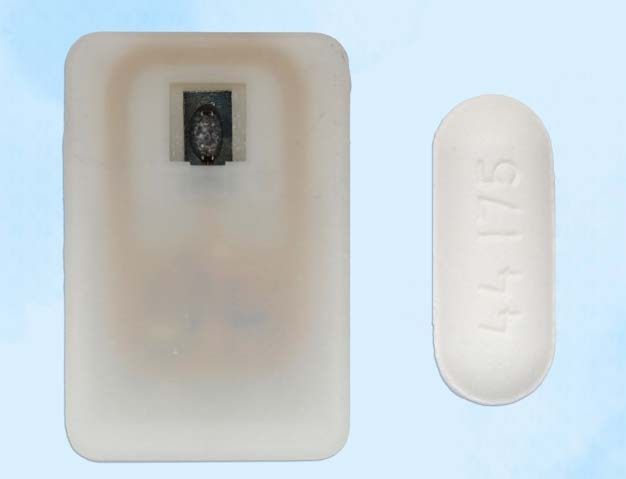
Engineers from Massachusetts Institute of Technology have developed a tiny, implantable device that sits under the skin, ready to release glucagon when blood sugar levels drop dangerously low. It’s still in the prototype phase, but the prediction is, it could be a game-changer for people living with type 1 diabetes. The device is designed to store powdered glucagon in a 3D-printed reservoir to keep it stable and can be triggered wirelessly or by a continuous glucose monitor for automatic activation. The researchers say it could be a potentially life-saving safety net, especially during sleep or for young children.