How to get planning consent in the countryside
Idyllic, secluded plots with genuine potential may be rare gems – but they can be found; and there are plenty of other opportunities to self build in a rural setting, says Mike Dade
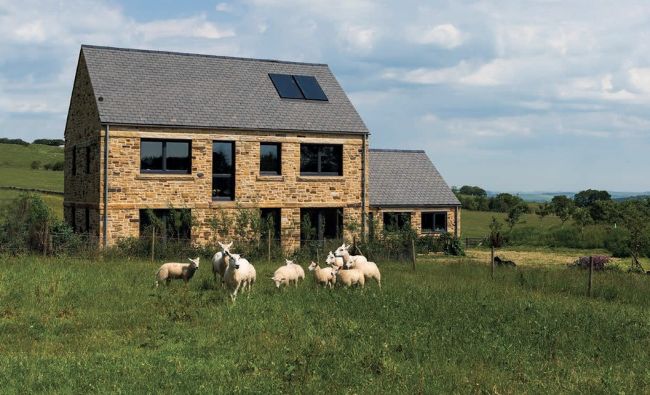
Taking on a countryside plot isn’t for the fainthearted. “When we bought our farm, there was nothing on the site. Services were 100m away, but there was no house,” says Trevor Gospel.
JEREMY PHILLIPS
If you want to build your dream home away from the rat race, you’ll first need to find a suitable plot. The problem is, planning policies in rural locations are more restrictive than those in urban areas – and permission for new houses tends to be granted only in specific circumstances.
Thankfully, there are still opportunities worth pursuing. For instance, the prospect of converting non-residential buildings has been given a boost in recent years due to the widened scope of permitted development (PD) rights; while replacing and refurbishing existing buildings can both be great routes to a tailored new home. Here’s what you need to know about the constraints and opportunities you’ll face if you’re planning to build in a rural area.
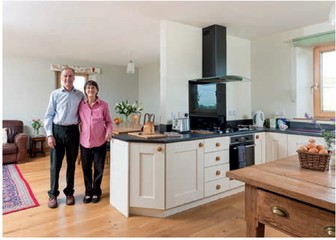
“We sought outline planning permission to build, but our inexperience meant it took us three years to get consent.” The wait proved worthwhile: the local council recommended a full two-storey home rather than the dormer bungalow the Gospels initially thought they’d have to build
What are rural plots?
Fundamentally, this term covers land or other opportunities that might be found in villages, small hamlets or in the open countryside. Most local authorities have planning policies that distinguish between built-up areas and countryside – but they may not always make sense from a layman’s perspective. For instance, hamlets, villages and some edgeof-town areas can all be defined as countryside for planning purposes – even if they’re already relatively developed.
The distinction is important as the overarching policies will be quite different for this type of plot or property as opposed to those that apply in built-up locations. You could easily encounter two opportunities that appear similarly rural, but fall under separate brackets in the planners’ eyes.