POLLINATORS
Meet the many species that keep gardens across the globe blooming
WORDS SCOTT DUTFIELD
© Getty
DID YOU KNOW?
Fossil records show that beetles started pollinating flowers around 200 million years ago
P ollination is one of the cornerstones of life on Earth. As part of the wider global ecosystem, plants are the beginning of almost every food chain, are habitat builders and atmospheric oxygen producers. Without plants, the world would surely fall barren and unable to sustain life. That’s why the creatures that spend their time keeping the planet’s plant population alive are invaluable. Although not all plants require the helping hand of a pollinator, between 75 and 95 per cent of all flowering plants on Earth rely on pollinators to reproduce. There are two main types of pollination among flowering plants: selfpollination and cross-pollination. As the name suggests, self-pollination is all contained within the individual plant, whereas crosspollination requires a helping hand from external factors, such as the wind, rain and other living creatures, or pollinators.
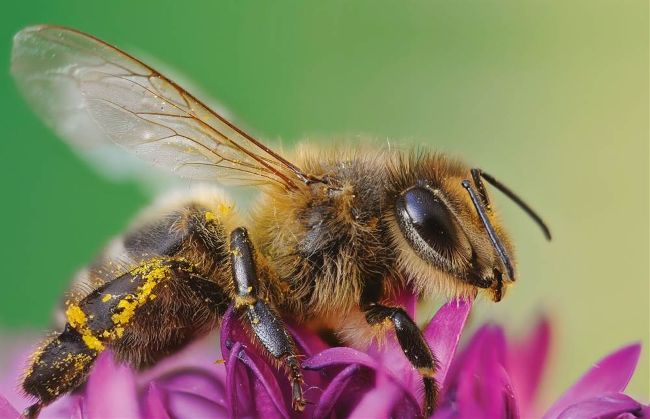
In the process of cross-pollination, a pollinator – for example, a bee – will land on a flower to drink sweet nectar produced by plant glands called nectaries. Bees will also eat a portion of the pollen within the flower as a source of protein. While feasting on this food source, loose grains of pollen produced by the plant’s male reproductive organ, called the stamen, are picked up accidentally by the bee as it brushes against the head of the stamen, called the anther.
Some bees, such as the bumblebee, ‘buzz pollinate’, whereby the vibrations of their wings shake pollen free from the anther and blow it into the air.
Once the bee is done with its meal, it will journey to another plant for more nectar.
On arrival, the hitchhiking pollen grains fall onto the female reproductive organs of this plant – called the stigma – and cellular reproduction gets underway.