LEGO BOTANICALS
GOING GREEN
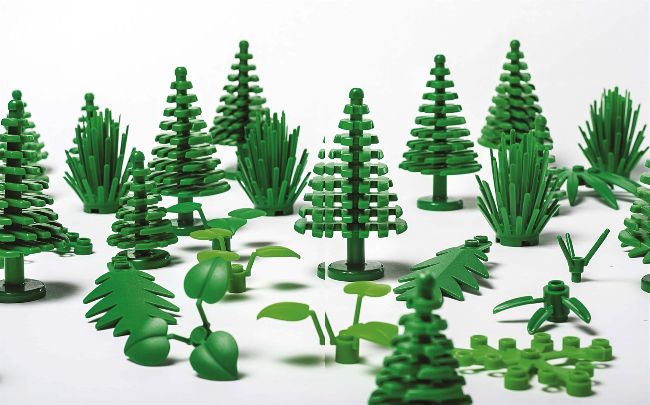
LEGO trees today are completely different to those that launched in the 1950s. This journey of innovation and change shows how the LEGO Group has cultivated its plant pieces over 70 years
Words: Daniel Konstanski
Pics: The LEGO Group, Daniel Konstanski
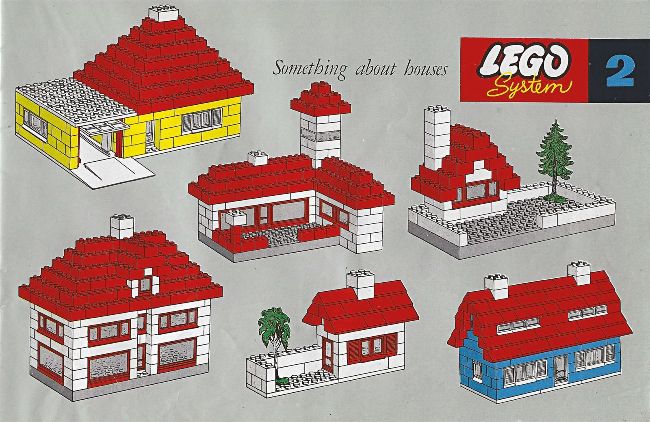
Trees used to just sit on top of studs.
FOR MOST LEGO fans, trees and foliage are essential accessories – but nothing more. Fir trees are needed for forests, palm trees establish settings like beaches and splashes of green make for nice visual breaks along grey City streets. These elements are necessary and reliable, but otherwise unremarkable.
Despite these parts being somewhat taken for granted, plant pieces – or ‘botanicals’ as they are known inside the LEGO Group – have a long and winding history. For seven decades, botanicals have been a surprising hotbed of innovation and experimentation. The whole ensemble has been re-invented several times over and undergone more aesthetic iterations than almost any other type of element.
In 1955, Godtfred Kirk Christiansen launched Town Plan. Before Town Plan, the company’s brick-based products consisted almost exclusively of assorted elements for free building. With his new line, Godtfred sought to bring more realism by using LEGO bricks to create buildings that could be placed on printed mats depicting a town layout.
To that end, bricks that had previously been produced in a kaleidoscope of different colours were standardised to predominantly red and white, so that Town Plan’s various buildings would have a uniform aesthetic. While a necessity due to limited production capacity, Godtfred and his small team of designers felt that such a limited palette needed some sort of accent colour.