KIT CRAZY
MODEL BEHAVIOUR
Our resident modelling expert Andy Pearson admits he discovered plastic model aircraft as a gateway drug. Then he got into some serious glue-sniffing…
HOBBY HABITS
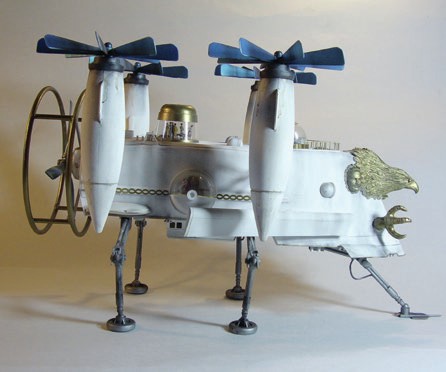
Luxury air travel
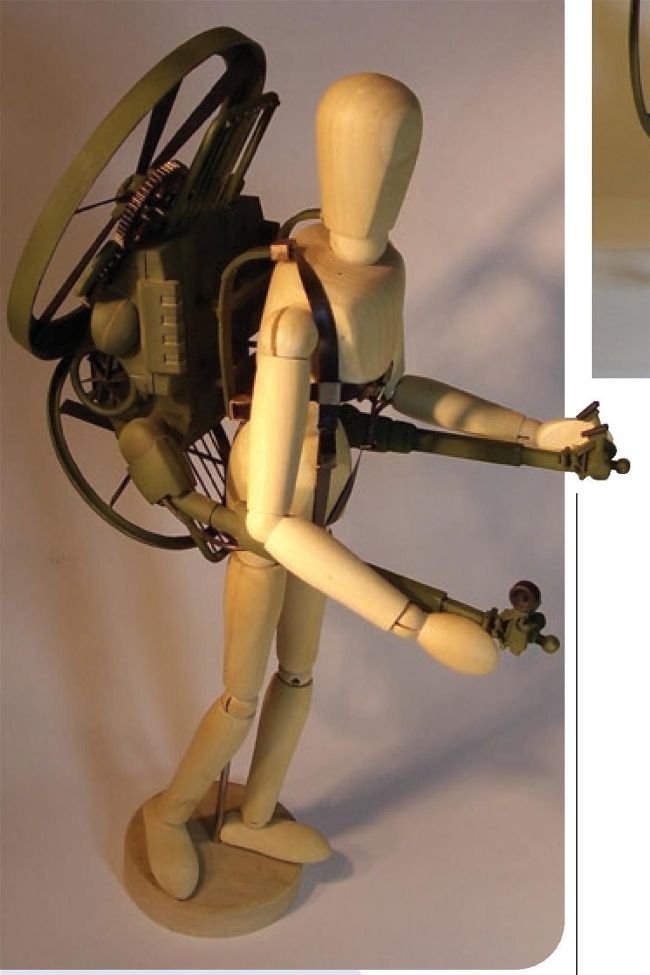
‘The Bacon Slicer’
It is a truth universally acknowledged that a great many builders of plastic models were introduced to the hobby by 1:72 scale model aircraft kits. The beginning was, for me, the Airfix kits which were then supplied in clear plastic bags with a card header illustrating the model in question, usually in combat with an Axis enemy, the latter frequently having come off worse in the encounter. These kits were also at pocket money prices and widely available through newsagent’s shops and the then burgeoning DIY outfits, of which my small home town was blessed with two These were Matthews and Peter Pentith which, flash buggers, had a strap-line and advertised in the local cinemas, resulting in the shop being known to under-twelves far and wide as ‘PenterPetith, the Friendly Man’s Hand’. At least one of those budding humorists went on to write comedy scripts that were actually broadcast (modesty forbids me from naming names) but then they were simpler times.
Having discovered plastic model aircraft as the gateway drug, my interests continued in the usual fashion as a junior modeller, learning lessons along the way. The pitfalls of putting everything together as quickly as possible, including transparent canopies, and then painting the model with viscous enamel paints using a brush far too big for the task was an early one. As many of these models were destined for special effects work this really didn’t matter. The effects in question usually entailed throwing the models out of an upstairs window to see if they would fly (they didn’t) or, as autumn rolled around, seeing if they could be atomised by putting a firework into the fuselage (they could).