Electric Tonalities
THE HISTORY OF SYNTHESISER MUSIC IN MOVIES
In the first of a fascinating two-part feature Gary Baxter looks at the history of synthesiser music in movies, from the “Electric Tonalities” of Forbidden Planet to the wild multi-channel sounds to be heard in today’s multiplexes!
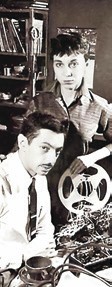
Bebe and Louis Barron, who created the electronic score for Forbidden Planet (1956)
Ah the 70s and 80s, what a time to be alive! The movies were fantastic, TV was exciting and music was continuously evolving thanks to amazing advances in technology. And it was in these decades in particular that all three came together in a glorious explosion of sight and sound, creating some of the most memorable moments committed to screens big and small that still shine as leading examples today. But it didn’t start there, oh no, for the beginning of this story we need to go back a little further... Back, to a Forbidden Planet...
To say Forbidden Planet was ground-breaking would be a huge understatement, in terms of scope and storytelling this particular gem from 1956 has well earned its many accolades. Take a pinch of Shakespeare, add a touch of social commentary, throw in some glorious set design, a talking robot and the first ever fully electronic music score set to celluloid and you know you’re in for a good time.
And what a score it was, growling, groaning, bubbling and bleeping, sounds from far off realms enhanced the movie going experience with their otherworldly charm in ways never experienced before. In current times it’s hard to imagine the composers Bebe and Louis Barron not being recognised by the Musician’s Union, their work being referred to as “Electric Tonalities” in the credits rather than music, although the Theremin had been in use in sci-fi and horror soundtracks since its release in 1928 in 1956 the synthesizer was yet to exist and very few people were making electronic music.