MOJO EYEWITNESS
BOB MARLEY AND THE WAILERS CATCH A FIRE
Straining to break through, reggae kings-in-waiting Bob Marley, Peter Tosh and Bunny Livingstone were at an impasse when they teamed up with Chris Blackwell’s Island label in 1972. Recorded in Kingston, Jamaica and finished in London, April ’73’s new album was their first international statement – but the brotherhood’s harmony was already cracking. “The Wailers did make some kind of a revolutionary move,” say those involved, “but it was quite close to a tipping point…”
Interviews by DAVID KATZ
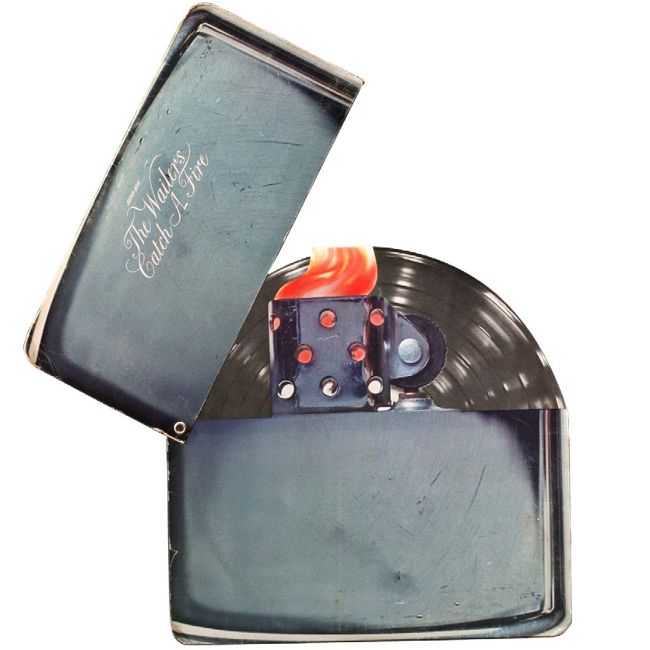
• Photograph by GARY MERRIN
Aston ‘Family Man’ Barrett: We went with Bob [Marley] to England when Johnny [Nash] was promoting his single, I Can See Clearly Now [UK Top 5 in August ’72], and we rehearse together in this country town called Kingston [upon Thames, south-west London] for about two months; we’d take about three trains to go there.
Brinsley Forde: I was working in a greengrocers in Neasden, and I was out packing the fruit one day, and I saw Peter Tosh coming up the High Road, because The Wailers had come to stay in Neasden. It was in that period after CBS and before Island. Through [singer] Delroy Washington, I went over to the house and became good friends with Family Man, and the first person who really clued me in about Rastafari was Bunny Wailer.
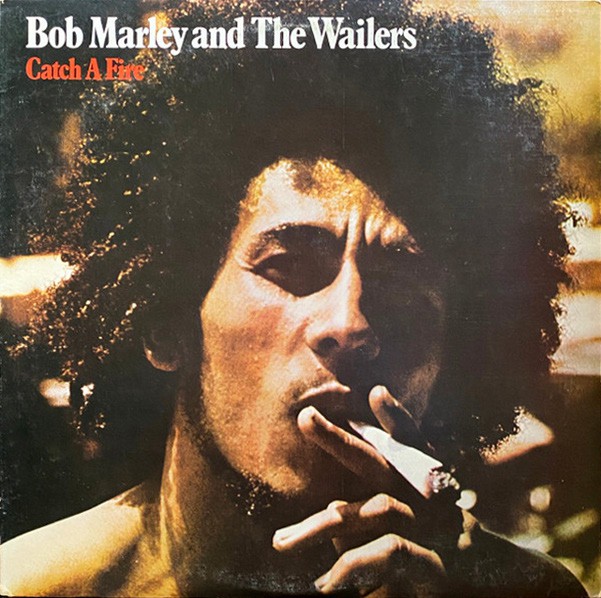
Garry Merrin, Getty
Chris Blackwell: I first met Bunny [Livingstone/AKA Wailer], Bob and Peter [Tosh] in my office [in London]. The three of them walked in like kings, in spite of the fact that they were stranded in England at that time; they had a tremendous charisma and power to themselves… I was much more involved with rock music, but my heart was always in Jamaica and in Jamaican music. So this just seemed like a great opportunity, to have this kind of black rock band.