The New Amazons
by CASSANDRA VINOGRAD
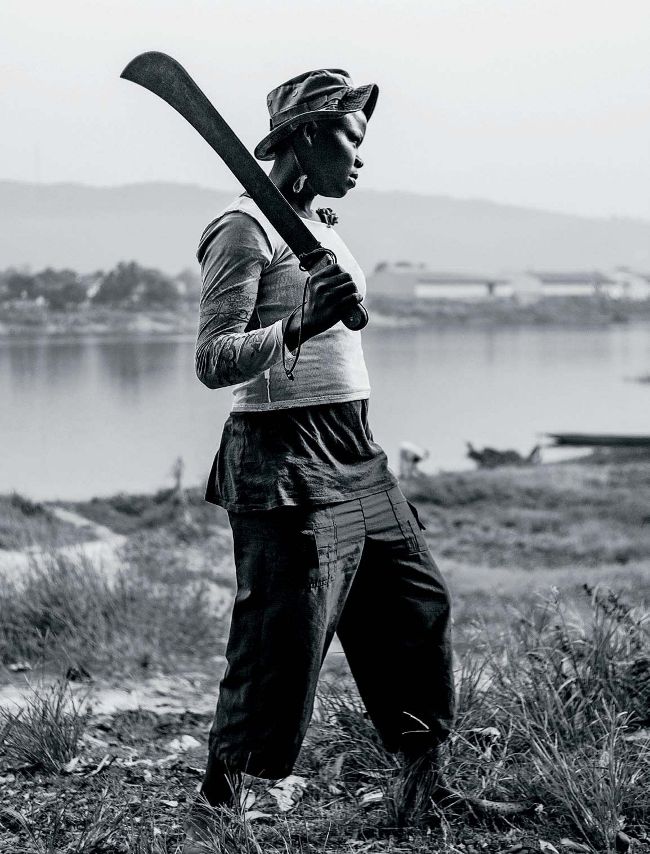
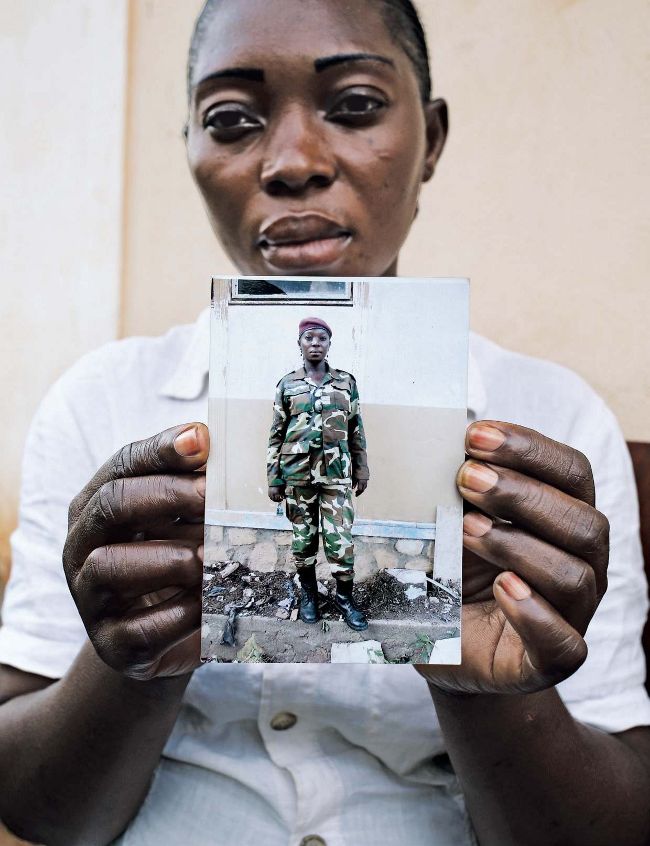
ARMED AND DANGEROUS An unidentified member of a group of women protecting their island, Mbongo Soa, from Séléka rebels. Marie-Yvette, right, holds a picture of herself in her Séléka uniform.
FRED DUFOUR/AFP/GETTY
Meet the women who chose to TAKE UP ARMS in one of Africa’s most BITTER conflicts
COURTESY OF CASSANDRA VINOGRAD
M
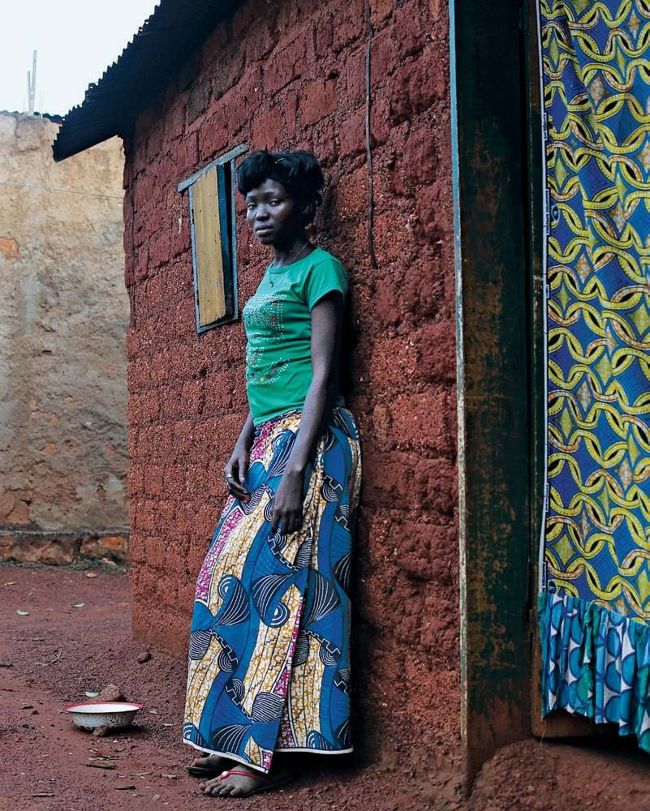
MELVIA WANTS TO MAKE SOMETHING VERY CLEAR: She joined the rebels to kill—not to boil manioc or perform other chores usually dumped on women. She wanted to fight back against the men who attacked her village in the Central African Republic, torched her home and killed her grandmother. “I didn’t join the group to cook”, she says. “I wanted to do the hard work.”
Melvia was one of several women in her militia’s battalion and one of an unknown number bearing arms in the country’s long-running conflict. There are 14 armed groups fighting for control of territory and resources in a crisis that the U.N. has said shows the warning signs of genocide. The vast majority of rebels are men, but many women like Melvia have taken up arms on all sides of this struggle. Their existence is often unknown to, denied or questioned by officials and aid workers, who assume rebel groups in such a male-dominated society would not allow women to fight. Contrary to stereotypes and suppositions, though, women have been in combat here.
COURTESY OF CASSANDRA VINOGRAD
“I didn’t join THE GROUP to cook. I wanted to do the HARD WORK”.
Cracking the knuckles on her left hand, Melvia describes her weapons training—learning how to assemble and disassemble AK-47s and rifles, as well as her guard-duty shifts, patrols and trips to the front line. Casting a cool gaze skyward, she lists the times she fired her homemade weapon. Melvia guffaws at the suggestion she was anything but a full-fledged fighter. “We were treated just like the other soldiers. Like the men”, she says. “I was allowed to give orders—firm orders—just like the others.” (Newsweek agreed to identify Melvia and others by their first names to avoid retaliation and stigmatization.)