FEATURE
NURTURE NATURE
Rowan Clarke meets the outdoor swimmers who give back to their swim spots
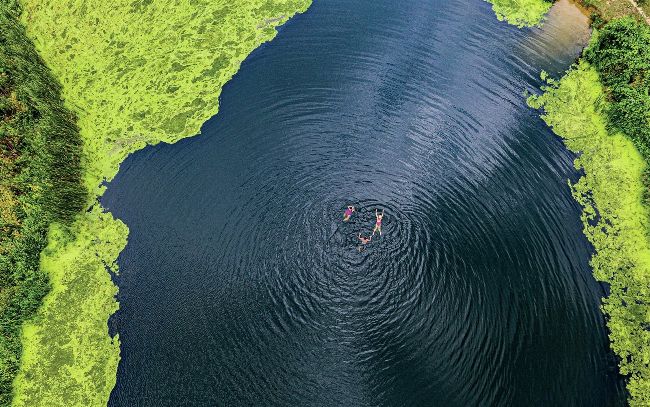
Image: Roger Taylor Photography
Swimming outdoors gives us huge health and wellbeing benefits. But the way that we connect with the environment in which we immerse ourselves is critical. More than ensuring that we don’t negatively impact our swim spots, we need to nurture a reciprocal relationship with them. In other words, we can’t go into the sea and expect it to make us feel better without understanding, loving and caring for it.
For lots of us, we find ourselves natural guardians of our swim spots. More than places we go to swim, as we get to know and understand them, we develop a sense of belonging and therefore responsibility for them.
So, what does this environmental stewardship look like? And how can we nurture nature to not only benefit the places we swim, but also the environment as a whole?
RIVER VIEWS
Mention environmental campaigning in the context of swimming outdoors, and your mind probably goes to water quality. River pollution has recently hit the headlines and with only 14 per cent of England’s rivers in good ecological health according to the Rivers Trust, it’s not surprising.
But the UK’s river swimmers don’t need statistics to know that our rivers are in a dire state. “You get so in tune with it because you’re in it every day. You know every section of the river and you just connect,” says Angela Jones, who has spent most of her life in and around the River Wye. “Then you start seeing changes and neglect, people’s sewage flowing straight in, pollution from the chicken sheds or the water companies, but you just know what type of sewage it is.”