Está viendo la página Spain versión del sitio.
Le gustaría cambiar a su sitio local?
Última edición

Railways of Britain Magazine Issue 47 Edición anterior

English
9 Reseñas   •  English   •   Aviation & Transport (Rail)
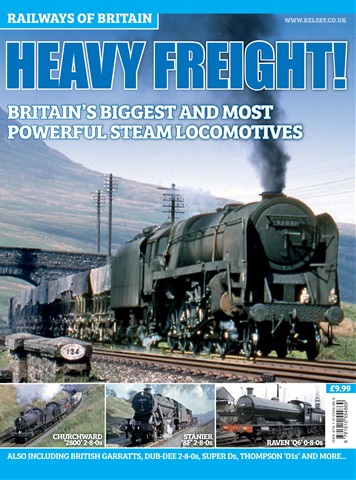
By the end of the 19th century, the standard goods locomotive in Britain had been based upon the tried and trusted six-wheel tender engine design - if trains needed more power the railways’ operators simply added a second locomotive. By the start of the 20th century, heavy freight steam locomotives were
starting to look rather big and powerful, if not always successful. As greater power was needed, so things started to get a lot more interesting, with eight- and ten-coupled freight locomotives starting to emerge, culminating in British Rail’s ‘9F’ 2-10-0, the last of which was built in 1960. These were among the biggest and most powerful steam locomotives to be built in this country. This is the story of the evolution of the British heavy freight steam locomotive from humble beginnings to massive freight haulers.
read more read less
Railways of Britain Preview Pages Railways of Britain Preview Pages Railways of Britain Preview Pages Railways of Britain Preview Pages Railways of Britain Preview Pages Railways of Britain Preview Pages Railways of Britain Preview Pages

Railways of Britain

Issue 47 By the end of the 19th century, the standard goods locomotive in Britain had been based upon the tried and trusted six-wheel tender engine design - if trains needed more power the railways’ operators simply added a second locomotive. By the start of the 20th century, heavy freight steam locomotives were starting to look rather big and powerful, if not always successful. As greater power was needed, so things started to get a lot more interesting, with eight- and ten-coupled freight locomotives starting to emerge, culminating in British Rail’s ‘9F’ 2-10-0, the last of which was built in 1960. These were among the biggest and most powerful steam locomotives to be built in this country. This is the story of the evolution of the British heavy freight steam locomotive from humble beginnings to massive freight haulers.


SELECCIONAR FORMATO:
Acceso instantáneo

Ofertas digitales disponibles:

Ejemplar digital único Issue 47
 
11,99 / issue
Disponible con
Pocketmags Plus
Suscripción de lectura ilimitada
 
Obtenga acceso ilimitado a Railways of Britain y más de 600 grandes títulos. Se renueva en €11,99 / mes después de 30 días. Cancele en cualquier momento. Más información
Este número y otros números atrasados no se incluyen en un Railways of Britain suscripción. Las suscripciones incluyen el último número de la revista y los nuevos números publicados durante el periodo de suscripción.
Los ahorros se calculan sobre la compra comparable de números sueltos durante un periodo de suscripción anualizado y pueden variar respecto a los importes anunciados. Los cálculos son meramente ilustrativos. Las suscripciones digitales incluyen el último número y todos los números regulares publicados durante su suscripción, a menos que se indique lo contrario. El periodo elegido se renovará automáticamente a menos que se cancele en el área Mi cuenta hasta 24 horas antes del final de la suscripción actual.

Railways of Britain issue Issue 47

Railways of Britain  |  Issue 47  


By the end of the 19th century, the standard goods locomotive in Britain had been based upon the tried and trusted six-wheel tender engine design - if trains needed more power the railways’ operators simply added a second locomotive. By the start of the 20th century, heavy freight steam locomotives were
starting to look rather big and powerful, if not always successful. As greater power was needed, so things started to get a lot more interesting, with eight- and ten-coupled freight locomotives starting to emerge, culminating in British Rail’s ‘9F’ 2-10-0, the last of which was built in 1960. These were among the biggest and most powerful steam locomotives to be built in this country. This is the story of the evolution of the British heavy freight steam locomotive from humble beginnings to massive freight haulers.
Seguir leyendo leer menos

omo abonado recibirá las siguientes ventajas:


•  Un descuento sobre el PVP de su revista
•  Las nuevas ediciones se envían a tu dispositivo el día de su lanzamiento
•  Nunca te perderás un número
•  Estás protegido de las subidas de precios que puedan producirse más adelante en el año

Recibirás 1 problemas durante un año Railways of Britain suscripción a la revista.

Nota: Las ediciones digitales no incluyen los artículos de portada ni los suplementos que encontraría en los ejemplares impresos.

Su compra aquí en Pocketmags.com puede leerse en cualquiera de las siguientes plataformas.


Puedes leer aquí en el sitio web o descargar la aplicación para tu plataforma, sólo recuerda iniciar sesión con tu nombre de usuario y contraseña de Pocketmags.

Apple Pocketmags Online Pocketmags Google Pocketmags
La aplicación Pocketmags funciona en todos los dispositivos iPad y iPhone con iOS 13.0 o superior, Android 8.0 o superior y Fire Tablet (Gen 3) o superior. Nuestro lector web funciona con cualquier navegador compatible con HTML5, para PC y Mac recomendamos Chrome o Firefox.

Para iOS recomendamos cualquier dispositivo que pueda ejecutar el último iOS para un mejor rendimiento y estabilidad. Los modelos anteriores con especificaciones de procesador y RAM inferiores pueden experimentar una renderización de páginas más lenta y fallos ocasionales de la aplicación que están fuera de nuestro control.
4,3
/5
Basado en 9 Opiniones de los clientes
5
6
4
1
3
1
2
1
1
0
Ver comentarios

Railways of Britain

I was wondering when Issues 5, 6, 8. are going to be online so it will complete the collection. Revisado 09 marzo 2020

Artículos de este número


A continuación encontrará una selección de artículos en Railways of Britain Issue 47.

Chat
X
Soporte Pocketmags