Vous consultez actuellement le France version du site.
Voulez-vous passer à votre site local ?
16 TEMPS DE LECTURE MIN

On the BOX

The adventures of the Third Doctor attracted huge audiences in 1973 – especially when he was joined by his two predecessors. There was, however, plenty of high-quality alternative viewing on offer from ITV and the BBC.

Jimmy Osmond topped the UK charts in December 1972 with Long Haired Lover from Liverpool.
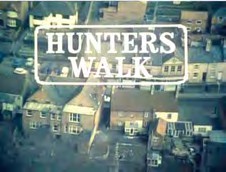
Idents for Bristol Channel, Sheffield Cablevision and the title card for Hunters Walk.
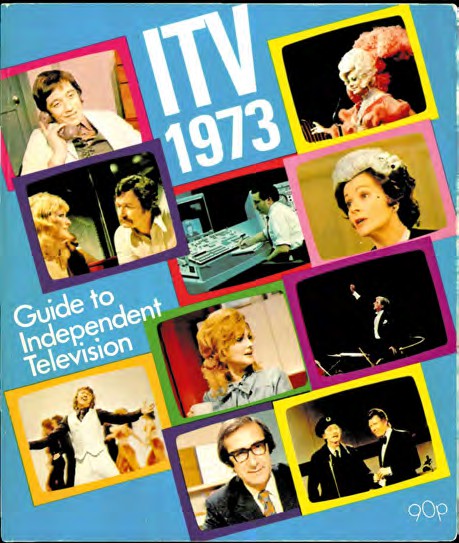
The ITV 1973 Guide to Independent Television.
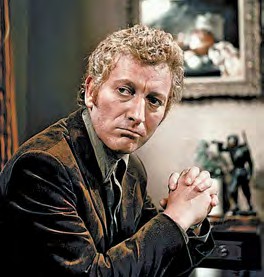
Barry Foster starred as Van der Valk.

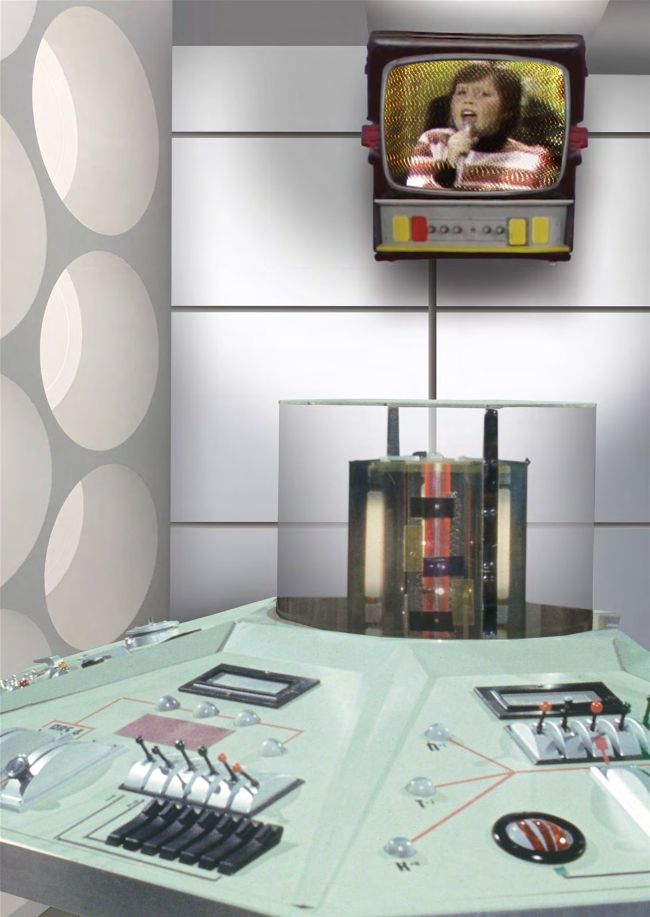
“7.30 Dr Who Jimmy Osmond makes his acting debut as Dr Who. In this adventure the good doctor visits the empty Planet Earth and has an eerie feeling in the new Prime Minister’s new official residence in Petticoat Lane.” n Monday 12 March 1973, Sir John Evans, the Telecommunications Minister, announced that the charters for both the BBC and ITV were to be extended by five years, taking them up to 1981; he also noted that the operation of a fourth television channel was under consideration. The news prompted the Daily Mirror’s Michael Hellicar to imagine the Radio Times schedule for 14 March 1981 – atime when Jon Pertwee’s successor might be the American singer Little Jimmy Osmond. As Hellicar was writing, Jimmy wasn’t quite ten and was still enjoying chart success with his 1972 hit Long Haired Lover from Liverpool.

In 1973, British television was changing in various ways. In addition to the three existing channels, experimental community cable channels were being launched – Bristol Channel in May, Sheffield Cablevision in August and Swindon Viewpoint in September. On the same theme, 11.30pm on Monday 2 April marked the beginning of community programming on BBC2. Open Door was a live 45-minute programme from the newly created Community Programme Unit; in its opening weeks, a group of Black teachers condemned the education system for the limited choices it offered to pupils of African descent, and the Transex Liberation Group discussed the difficulties they faced in society.

There were also plans for text pages to be buried in the ‘vertical interval’ between the frames of the picture, demonstrated that spring by the Independent Broadcasting Authority (IBA) via their prospective ORACLE system (Optional Reception of Announcements by Coded Line Electronics). The BBC equivalent, Ceefax, had been announced back in October 1972 and had already begun experimental trials outside normal transmission hours.

Friday24 August saw the final broadcast of a colour trade test film on BBC2. Since 1954, the BBC had aired such items for the benefit of their own and trade engineers outside standard hours. But, with colour programming now available during the day, the 185th broadcast of the awardwinning 1960 short Giuseppina brought this kind of transmission to an end. Of the various broadcasters, only the offshore Channel franchise was yet to operate a colour service. Almost 20 per cent of UK TV licences were now in colour, at a cost of £12, compared to £7 for monochrome.

April saw the dawning of a new era of British television made on film. ITC – asubsidiary of the Midlands commercial station ATV – was starting to focus more on cinema than the glossy 35mm adventure shows that had served it so well since the 1950s. Filling the gap came Special Branch, a location-heavy drama shot on 16mm by Euston Films. Euston was an offshoot of the London weekday franchise Thames, which had originated Special Branch as a videotaped studio show back in 1969. Now, the cases of Detective Chief Inspectors Alan Craven (George Sewell) and Tom Haggerty (Patrick Mower) proved popular enough to top the charts on two of their 13 weeks on air.

Lisez l'article complet et bien d'autres dans ce numéro de Doctor Who Magazine
Options d'achat ci-dessous
Si le problème vous appartient, Connexion pour lire l'article complet maintenant.
Numéro unique numérique Chronicles 1973
 
€10,99 / issue
Ce numéro spécial n'est pas inclus dans une nouvelle Doctor Who Magazine abonnement. Les abonnements comprennent le dernier numéro régulier et les nouveaux numéros publiés pendant votre abonnement.
Abonnement numérique annuel OFFRE SPECIALE : était €64,99 Maintenant €41,99 facturé annuellement
Sauvez
68%
€3,23
ABONNEMENT À LA PRESSE ÉCRITE ? Disponible sur magazine.co.uk, le meilleures offres d'abonnement à des magazines en ligne.
 

Cet article est tiré de...


View Issues
Doctor Who Magazine
Chronicles 1973
VOIR EN MAGASIN

Autres articles dans ce numéro


Editorial
DOCTOR WHO CHRONICLES
A glance at the internet paints a fairly
Doctor Who Magazine Special
SATURDAY NIGHT’S ALRIGHT FOR FIGHTING
Despite limited personnel changes, 1973 was a transformative year for Doctor Who. As the show began its second decade, things would never be quite the same again…
THE DIARY OF Doctor Who
The series’ tenth-anniversary celebrations were already underway by the time 1973 began...
THE THREE DOCTORS
If the Doctor’s own people are prepared to break the laws of time, then it must be a grave matter indeed…
GETTING THE PICTURE
For Doctor Who’s tenth season, producer Barry Letts stretched the technical resources of the BBC’s electronic multi-camera studios to the limit.
LETTERS FROM WHITE CITY
Terrance Dicks’ letters to the writers of The Three Doctors and Planet of the Daleks reveal some fascinating insights into the work of the Doctor Who script editor.
Stitches in Time
Although he was the most flamboyant Doctor to date, Jon Pertwee’s outfits were relatively conventional compared to some of the other challenges facing the costume designers of 1973.
CARNIVAL OF MONSTERS
The Doctor is finally free to wander space and time again – but on his very first trip, he finds his horizons suddenly limited…
SPECIAL EFFECTS
The demands of the most ambitious serials prompted the BBC Visual Effects Department to enlist freelance contributors.
STATE OF THE ART
Comic strips inspired by the series appeared in different forms – and across several publications – in 1973. The best of these stories are some of the most faithful Doctor Who adaptations published up to that point.
WHERE WERE THEY THEN?
Many past and present stars of Doctor Who appeared in a lavish photoshoot for a Radio Times special celebrating the show’s tenth anniversary. But let’s see where their careers were at in 1973…
FRONTIER IN SPACE
Assisted by the Ogrons, someone is using “hypno-sound” to make space pilots see things they haven’t – in an effort to spark an apocalyptic war.
The Final Fronier
Photographs taken during the making of Frontier in Space Episode Six provide a unique record of Doctor Who production in the early 1970s.
ON LOCATION
Location shooting for Season 10 was complicated by the need to film the series on land, in the sea and from the air….
TOY STORIES
Perhaps surprisingly, this was a rather lean year for merchandise – although it did introduce a series of books that continues to this day.
PLANET OF THE DALEKS
No, not Skaro – this time the Daleks are massing on Spiridon. The planet may be different, but the plan is familiar…
PAGES OF history
The Dr Who Annual 1974 happens to be the only one from that decade that doesn’t include a roll-and-move game. Unfortunately, there’s rather less originality on offer in the book’s fictional adventures…
FROM THE ARCHIVES
BBC paperwork from 1973 reveals that the producer’s remit involved soothing the nation’s heartache and defending the series from accusations of irresponsibility.
THE GREEN DEATH
There’s trouble down the pit at Llanfairfach when some fellow turns up “bright green, apparently – and dead!”
Partner in Time
The Green Death brought Jo Grant’s relationship with the Third Doctor to a poignant end. Jo is still one of the series’ most popular characters, but how much do we actually know about her?
MOONBASE 3
Science-fiction drama Moonbase 3 has significant behind-thescenes links to early 1970s Doctor Who. But is this short-lived series worthy of greater recognition in its own right?
Times and SPACE
The Radio Times celebration of Doctor Who’s tenth anniversary was a groundbreaking magazine that included the series’ first official episode guide.
MASTERING THE DALEK PLANS
For many readers of 1973’s Doctor Who Radio Times special, the highlight of the souvenir magazine was a set of instructions showing how to build a full-size Dalek.
BREAKING NEWS
In 1973, the series offered newspaper and magazine journalists plenty to write about – including three Doctors, a new assistant and a flying car.
FINAL SCORE
As Doctor Who entered its eleventh year on screen, Jon Pertwee led a resurgence in the show’s popularity, with audience numbers reaching heights not seen since the days of Dalekmania.
Chat
X
Support Pocketmags