21 SIMPLE LIFE HACKS
From food tricks to technology tips, here’s how science can offer a helping hand
WORDS AILSA HARVEY
DID YOU KNOW? The synthetic ingredients in chewing gum don’t decompose
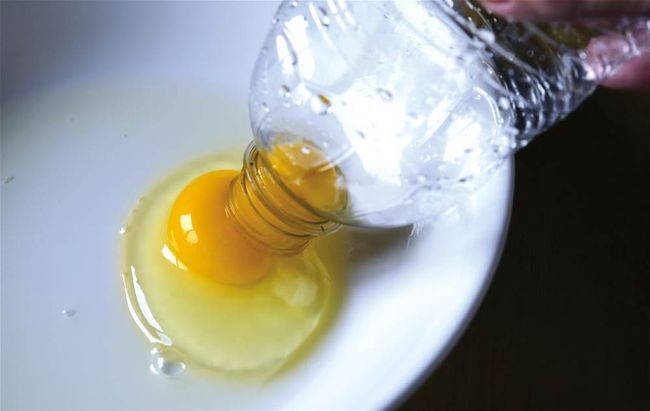
The bottle can suck up the yolk
01 EASY EGG WHITES
Baking recipes often ask you to separate egg yolks from the whites, which can sometimes be easier said than done. An uncooked egg can be tricky to handle, with the slippery yolk hard to grab hold of. A common technique involves moving the yolk between the two halves of the broken shell and letting the whites run into a bowl, but this can be messy. To make this ordeal a simple process, all you need is an empty plastic water bottle. First, crack the entire egg, or eggs, into a shallow bowl. Take the open plastic bottle and squeeze it slightly to remove some of the air. Place the opening over the yolk you want to remove and release the bottle slightly to suck it up. The yolk will sit in the neck of the bottle, leaving the whites separated in the bowl.
Did you know?
All of an egg’s cholesterol is in the yolk

Chewing gum has an insoluble gum base
02 STICKY GUM CLEANUP
If you’ve ever accidentally stepped on or sat in chewing gum, you’ll know the difficulty of trying to remove this rubbery mess. To reduce the stickiness and avoid pulling it apart string by string, apply an ice cube to harden the gum – then you can peel the gum away from your clothing with ease. If the gum is stuck in your hair, peanut butter works to reduce stickiness and the likelihood of needing a spontaneous haircut. To remove it, you need to completely cover the gum with peanut butter using your fingers or a spare toothbrush. The oils in the peanut butter make the base of the chewing gum stiffen and come loose from the hairs.