Está viendo la página Spain versión del sitio.
Le gustaría cambiar a su sitio local?
9 MIN TIEMPO DE LECTURA

21 SIMPLE LIFE HACKS

From food tricks to technology tips, here’s how science can offer a helping hand

DID YOU KNOW? The synthetic ingredients in chewing gum don’t decompose
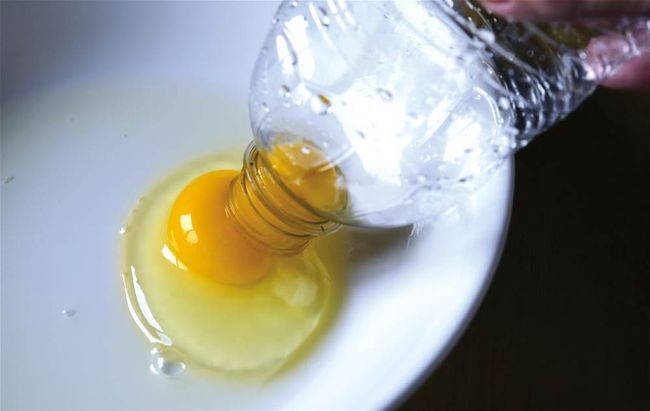
The bottle can suck up the yolk

01 EASY EGG WHITES

Baking recipes often ask you to separate egg yolks from the whites, which can sometimes be easier said than done. An uncooked egg can be tricky to handle, with the slippery yolk hard to grab hold of. A common technique involves moving the yolk between the two halves of the broken shell and letting the whites run into a bowl, but this can be messy. To make this ordeal a simple process, all you need is an empty plastic water bottle. First, crack the entire egg, or eggs, into a shallow bowl. Take the open plastic bottle and squeeze it slightly to remove some of the air. Place the opening over the yolk you want to remove and release the bottle slightly to suck it up. The yolk will sit in the neck of the bottle, leaving the whites separated in the bowl.

Did you know?

All of an egg’s cholesterol is in the yolk
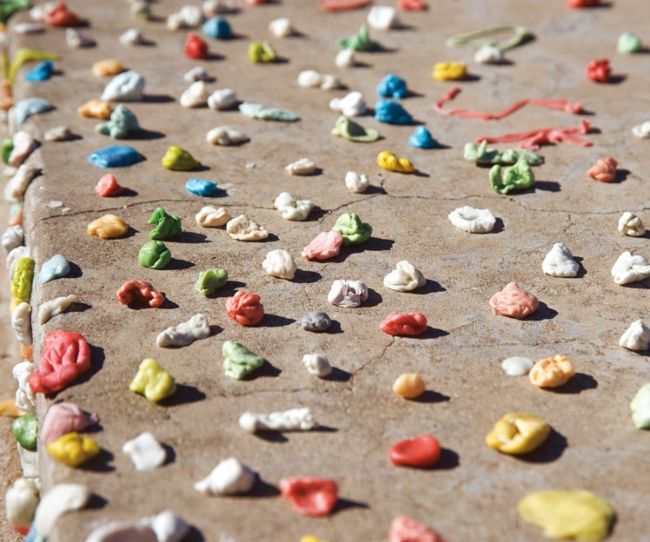
Chewing gum has an insoluble gum base

02 STICKY GUM CLEANUP

If you’ve ever accidentally stepped on or sat in chewing gum, you’ll know the difficulty of trying to remove this rubbery mess. To reduce the stickiness and avoid pulling it apart string by string, apply an ice cube to harden the gum – then you can peel the gum away from your clothing with ease. If the gum is stuck in your hair, peanut butter works to reduce stickiness and the likelihood of needing a spontaneous haircut. To remove it, you need to completely cover the gum with peanut butter using your fingers or a spare toothbrush. The oils in the peanut butter make the base of the chewing gum stiffen and come loose from the hairs.

Desbloquea este artículo y mucho más con
Puedes disfrutar:
Disfrute de esta edición al completo
Acceso instantáneo a más de 600 títulos
Miles de números atrasados
Sin contrato ni compromiso
Inténtalo €1.09
SUSCRÍBETE AHORA
30 días de acceso, luego sólo €11,99 / mes. Cancelación en cualquier momento. Sólo para nuevos abonados.


Más información
Pocketmags Plus
Pocketmags Plus

Este artículo es de...


View Issues
How It Works
Issue 164
VER EN TIENDA

Otros artículos de este número


WELCOME
WELCOME Issue 164
“Particles like these could recreate mechanical machines on
REGULARS
Inside the brain
© Alamy These root-like red structures are called
Creating artificial stars
© ESO/A. Ghizzi Panizza The European Southern Observatory’s
Salmon sucker
© Getty Meet the salmon louse (Lepeophtheirus salmonis),
Inside the space bubble
© NASA Goddard Around 7,100 light years from
Skin made 30 years younger with a new technique
Fibroblasts labelled with fluorescent dyes GLOBAL EYE Showcasing
SECRET SHARK SOCIAL CLUB DISCOVERED OFF MEXICAN COAST
Two great white sharks swim beneath the water’s
Thousands of new viruses discovered in the ocean
More than 5,000 new RNA virus species were
Massive meteorite impact created the hottest mantle rock ever
The rock was found within the Mistastin impact
MAN’S ‘ITCHY EYE’ CAUSED BY SQUIRMING FLY LARVAE
The organisms were identified as sheep bot flies,
New body part found hidden in the lungs
The newfound cells help maintain a healthy respiratory
DECLASSIFIED DATA REVEALS INTERS TELLAR OBJECT FLYING OVER EARTH
A fireball that flared over Earth in 2014
World’s oldest case of cannibalism revealed
An artist’s impression of trilobites on the seafloor
Strange new solar wave defies physics
A NASA Solar Dynamics Observatory image of the
‘Magnetic anomalies’ may stop the Moon’s ice from melting
Large craters sit in permanent shadow at the
UFOs left ‘radiation burns’ and an ‘unaccountedfor pregnancy’
1,500 pages of UFO-related research were just declassified
SCIENTIS TS CREATE A WEIRD NUCLEUS THAT VANISHES IN NANOSECONDS
This artist’s impression shows the decay of a
WISH LIST
The latest ENERGY-SAVING GADGETS
How do fire breathers not burn themselves?
Preparation is key to the art of fire
Why does jelly wobble?
Jelly is a soft semisolid containing gelatine. Gelatine
How come some animals can change colour?
Flatfish take only a few seconds to change
EPIC ADVENTURES
SIX CONTINENTS AND 34 COUNTRIES ON 12 INCREDIBLE TRAIN JOURNEYS
MAKE YOUR DRAWING DISAPPEAR
Your artwork will vanish before your eyes with this refraction trick
MAKING A GENIUS
Dear HIW, If someone isn’t a genius already, can
FAST FACTS
Amazing trivia that will blow your mind
SPECIAL
WHAT IS NANOTECH?
Enter the invisible world of tiny machines and materials, where everything measures 0.0001 millimetres or less
INTRODUCING NANOBOTS
Cell-sized robots could revolutionise medical diagnosis and treatment
ENVIRONMENT
TOXIC MUSHROOMS
Why some fungi are so poisonous and how to spot them
GROWING GLACIERS
How these vast ice flows form, grow and why they vanish
THE AMA ZING ANGLERFISH’S WEIRD LIFE
Deep below the ocean’s surface are deadly predators that lure their prey with light
TECHNOLOGY
HOW DO ELECTRIC KETTLES WORK?
These are the components inside a kettle responsible for bringing it to a boil
SPACE
SOLAR STORMS
Every now and then the Sun ejects material into space – and it can play havoc with technology
VOYAGER’S GOLDEN RECORD
What information did the Voyager spacecraft carry into space?
TRANSPORT
EJECTION SE ATS E XPL AINED
Fighter pilots need life-saving technology if the worst happens, which is where ejection seats come in
CAR VENDING MACHINES
These giant dispensers make buying a car simple
SCIENCE
JOURNEY THROUGH YOUR BLOOD VESSELS
Dive under the surface and discover the expanse of arteries, veins and capillaries that keep our cells energised and healthy
COMMON DISEASES OF BLOOD VESSELS
In the UK, diseases affecting blood vessels are
WHY WE GET DRUNK
How does alcohol affect the body?
HOW SUNSCREEN PROTECTS SKIN
Blocking the Sun’s harmful rays is important. Here’s how sunscreen does the job
HISTORY
WHAT IS NATO?
Why the North Atlantic Treaty Organization formed and what it’s done since its conception in 1949 to the crisis in Ukraine
WHAT IS THE HELIOCENTRIC MODEL?
How we discovered the Sun’s place at the centre of the Solar System
Chat
X
Soporte Pocketmags