HOW TO BUY
Electric Miles
High resistance Miles Davis, 1968-1975. On ohmmeter, Andrew Male.
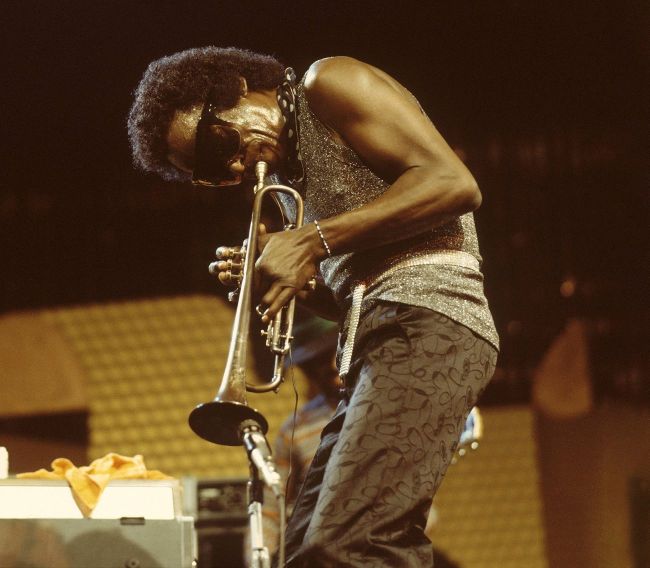
Golden era: Miles Davis goes abstract with electric experimentation in 1973.
Getty, Kevin Westenberg
BY 1968 Miles Davis felt he had pushed acoustic jazz as far as it could possibly go. With his Second Great Quintet (Wayne Shorter, Herbie Hancock, Ron Carter, and Tony Williams) the 42-year-old trumpeter and composer had developed a post-bop style he referred to as, ‘Time, No Changes’, moving from strict chord-based improvisation to embrace more fluid rhythmic grooves and individual passages of free improvisation, still with one foot in melodic convention.
On albums such as 1968’s Miles In The Sky and Filles De Kilimanjaro Davis had also started experimenting with the new sonorities of such ‘rock’ instruments as electric piano and electric bass. And thanks to the influence of his new wife Betty Mabry (later Betty Davis) Miles was also checking out black rock and funk artists such as Jimi Hendrix, Sly Stone and James Brown, alongside the tape manipulations and electronic soundscapes of experimental German composer Karlheinz Stockhausen and the drones and just intonation of Indian ragas. Plus, with jazz clubs closing their doors, and with the encouragement of Columbia boss Clive Davis, Davis recognised that rock venues might be where his next audience could be found.
The new rock-concert sound that Davis began to develop with musicians such as drummer Jack DeJohnette, British guitarist John McLaughlin, keyboardist Chick Corea and Motown bassist Michael Henderson blended hypnotic funk bass lines and muscular rock rhythms with distorted, abstract electric experimentation floating over the top. Live, that sound could be delinquent and abrasive, wild passages of individual improvisation with Miles signalling changes with phrases on his amplified trumpet. On record, working with producer Teo Macero, Davis began to incorporate tape loops and splicing, turning loose jam sessions into cohesive, structured suites of sound that decontextualised the notion of the in-the-moment improvised jazz performance.