Disaster relief
Jake Stones explores the relief work done across the globe when natural tragedies strike
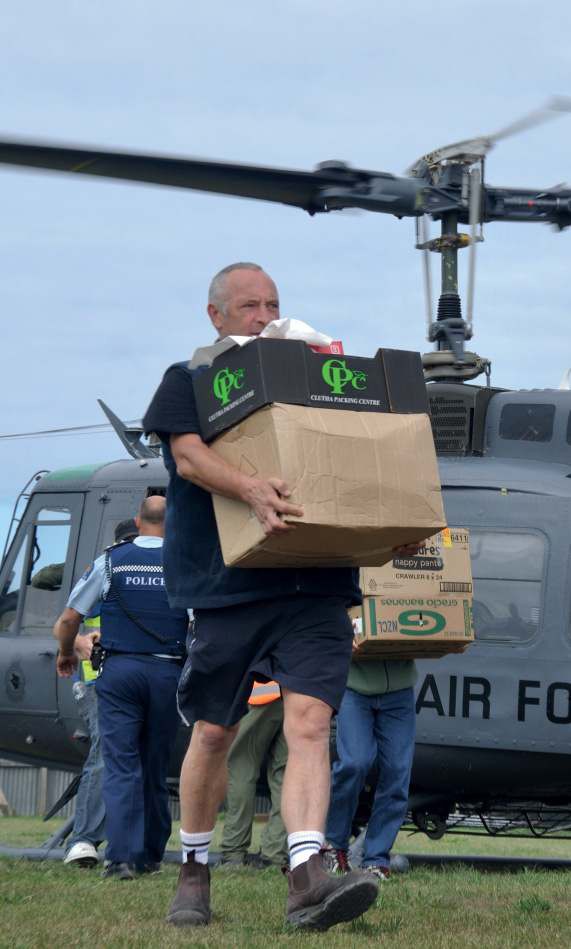
Image: Lakeview Images /
Shutterstock.com Nature, like most things, has the capacity to bite back when pushed into a corner. And if you hadn’t noticed, humanity is practically shoving nature into a corner with its perpetual release of CO2 emissions, continual dumping of plastic into the oceans, the stripping bare of natural environments for resources like palm oil, and the everexpanding cities and towns which are dealing with the demands of overpopulation.
The technical term for the moments when nature bears its teeth is a ‘natural disaster’. Aptly named, a natural disaster is an instance of severe damage and disruption, brought about through nature. Some of the more common natural disasters are volcanic eruptions, hurricanes, tsunamis, earthquakes, typhoons and wildfires. However, heatwaves, drought, famine and severe rain all make the list – as well as the rogue instances, like meteors and solar flares.
The human counterbalance to natural disaster is disaster relief. These are the efforts dedicated to overcoming disarray and despondency amid the fiercest exertions of energy found on the planet.
Due to the difficulty faced by an organisation seeking to fight back when we find ourselves on the canvas against natural disasters, there are numerous different ways of looking at the process of disaster relief.
Firstly, there are preventative measures, namely, actions taken to lessen the impact of natural disaster prior to and during its occurrence. For instance, the Zurich Flood Resilience Alliance (zurich.com) educated local populations at risk of flooding in Nepal to utilise the path of a flood by growing banana plants on known flood plains. The plants absorb the water, mitigating potential damage, and turn a negative incident into something beneficial for the local people. Beyond the subtleties of farming, preventative measures can also be the difference between life and death. An early warning system can come in the form of proper communication devices between different towns, allowing the quick sharing of a message, to seismic monitors that notice underwater earthquakes and signal to local land-dwelling communities to evacuate.