Post Script
Expedition 33’s fantasy dismantles the world, and its genre
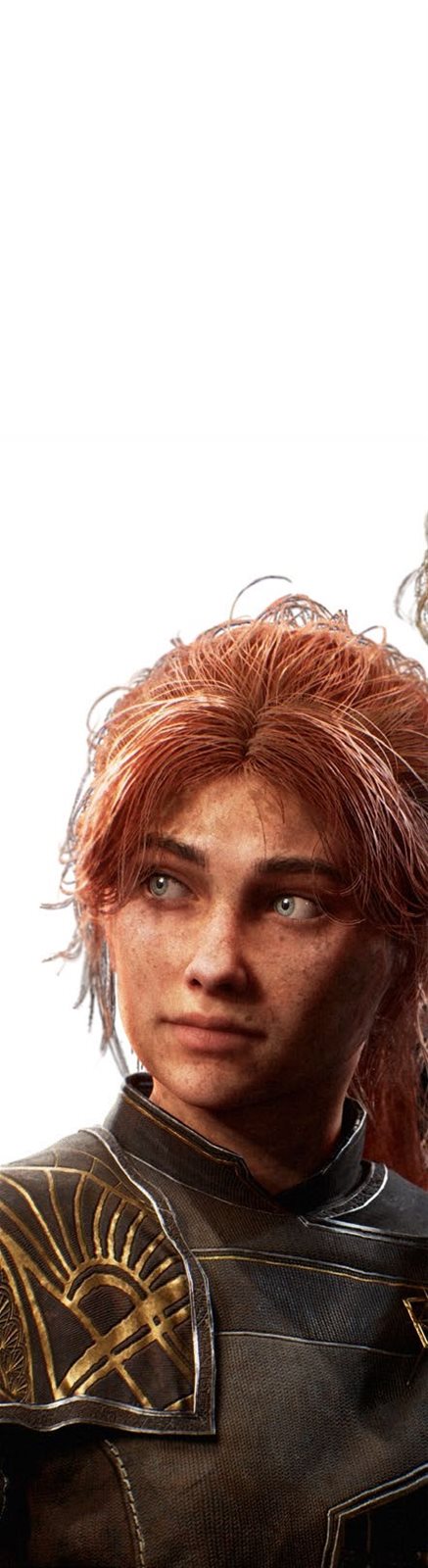
How many games with fantasy settings will be released this year? And for how many of those will the notion of ‘fantasy’ look a lot like Middle-earth or the realms of Dungeons & Dragons? Of course, those mythologies offer game makers plenty to work with – Baldur’s Gate 3 being the most compelling example of the scope of characters and scenarios waiting to be mined from the lore of D&D. Yet that doesn’t alter that many games opt for similar kinds of fantasy worlds, as if ‘fantasy’, as a genre term, defined certain specifics – cultures inspired by Europe’s Middle Ages, magic spells, realms of darkness or chaos, non-human races such as elves and dwarves (or equivalents), and, of course, dragons. Last month, The First Berserker: Khazan stuck largely to these guidelines and, despite its showy combat, felt bogged down by a world that refused to inspire wonder. A month before, Split Fiction deployed fantasy as a byword for a particular kind of pastoral fairytale, albeit with sufficient invention to sandwich rainbow-farting pigs between its trolls and dragons. Treating it as a static genre, such notions of ‘fantasy’ seem to ignore the word itself, which denotes a flight of imagination. Surely the boundaries of fantasy aren’t defined by Lord Of The Rings or, more recently, Game Of Thrones, because fantasy has no boundaries. Fantasy is a blank slate. True, for something to be a genre, the fictions that fall within it must have something in common that distinguishes them from other genres, such as science fiction. But unlike in Split Fiction, which sets up its odd-couple story on the shaky thesis that fantasy and sci-fi are absolute opposites, isn’t the only meaningful rule of thumb that one puts the extraordinary down to magic, the other to science and tech? Otherwise, all bets are off.