CPUs
Silicon insides
Apple, AMD and Intel all take significantly different approaches to building CPUs. Darien Graham-Smith takes a closer look at today’s varied processor designs.
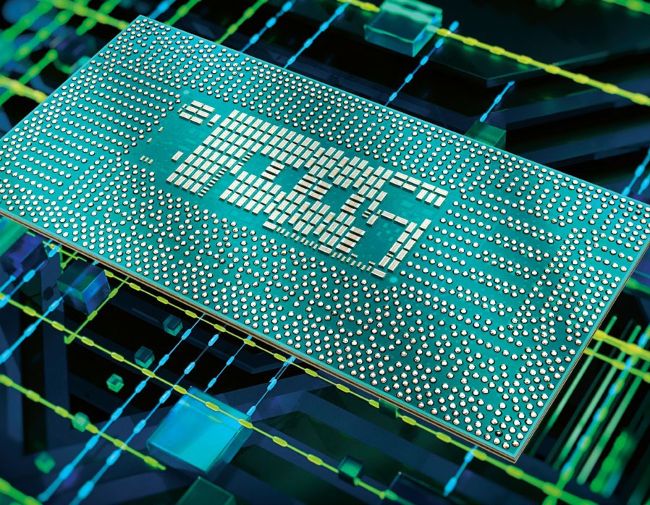
Intel’s 12th-gen Alder Lake CPUs combine E-cores with P-cores.
No one would have believed in the last years of the 20th century that the processor world was being watched keenly and N closely by intelligences greater than Intel’s. Yet across the gulf of the Atlantic in a country called the UK, intellects vast and cool regarded the processor market with envious eyes, slowly and surely drawing their plans against Intel…
History is a funny old thing, when IBM was partpicking to build the first PC, it could have gone with its own IBM 801 RISC processor, but the budget insisted on the Intel 8088 and history was set: every PC would be running an x86-compatible processor.
Technically, anyone could design and manufacture an x86-compatible processor, but legally (we’re looking at you China), Intel owns the patents to the instruction
Image credit: Intel set and has to license it for that to happen. If a company has ever produced a design or manufactured an x86 processor, it’s because Intel (or a court) allowed it to. AMD has a complete cross-patent licensing agreement with Intel, so the two companies don’t end up suing each other into oblivion.
The point is there’s not much competition for Intel in the market. Even today, with AMD commanding a record share, that’s just 30% of the consumer market. AMD itself said it was aiming for just 10% of the server market in 2020 and while it’s doing well its EPYC server share has levelled off at around 18%.
It’s fine to lament the lack of competition, but what can possibly change to break the status quo? The big recent announcement is that Apple will start to move away from Intel-based processors and switch all of its hardware to its own design of Mx processors. Apple’s not talking about just laptops or low-end iMacs, but even its high-end workstation offerings that use the Intel Xeon. It’s a bold statement, so how did it manage this? Let’s explore the differences between their approaches, and what that means in practice.
The x86 and ARM processor platforms do the same basic job, but they do it in different ways. Their internal logic is wired up in different arrangements, with different configurations of internal data registers and different sets of hard-coded instructions. At a fundamental level, they run programs in different ways and use different code.
On the x86 platform, the internal structure and instruction set of the processor is ultimately based on that of the Intel 8008, an 8-bit CPU that debuted in 1972. In fact, machine code programs written for that chip can still be assembled and run on the latest processor from Intel or AMD.
From left to right: Apple’s M-series CPUs have been using a 5nm process since 2020.
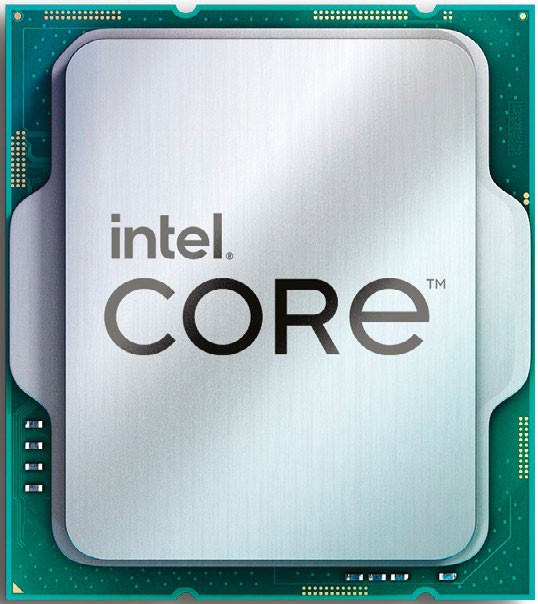
All of Intel’s x86 chips use the same underlying architecture.
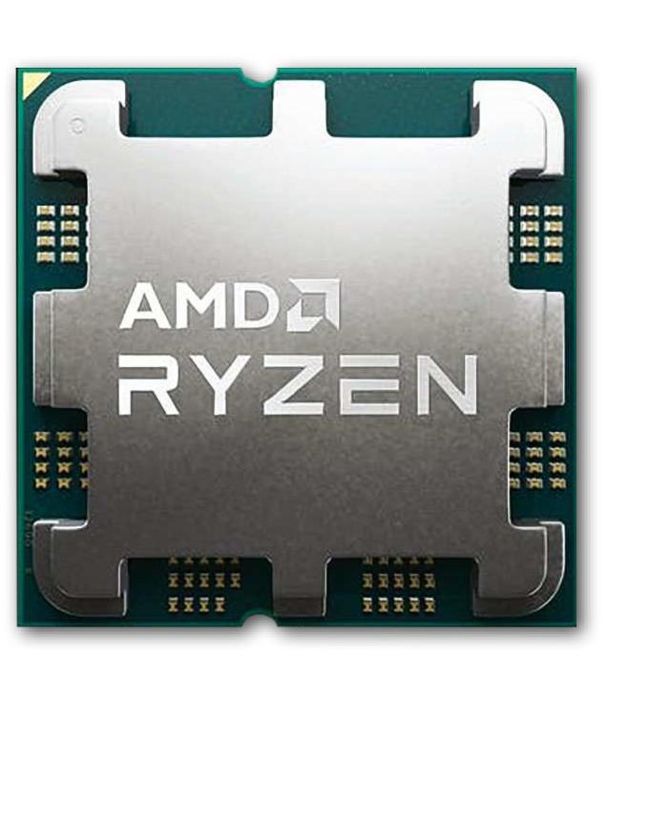
AMD’s chips use the same core x86 architecture.