ON THE JAGGED EDGE
History hasn’t been kind to the reputation of Jaguar’s short-lived XJR-15 road racer, but is it all that bad? Andrew Frankel heads to Donington Park to find out first hand
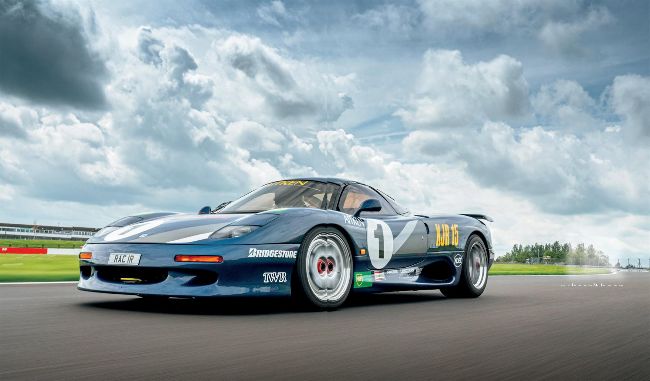
PHOTOGRAPHY: JAYSON FONG
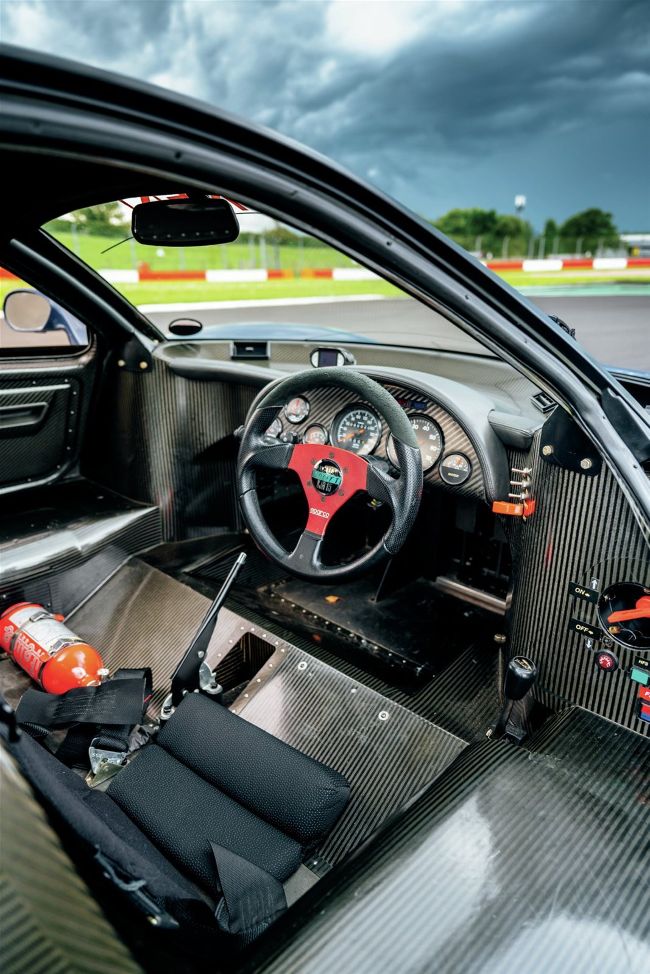
Swathes of carbon everywhere you look.
The interior is more Group C than supercar.
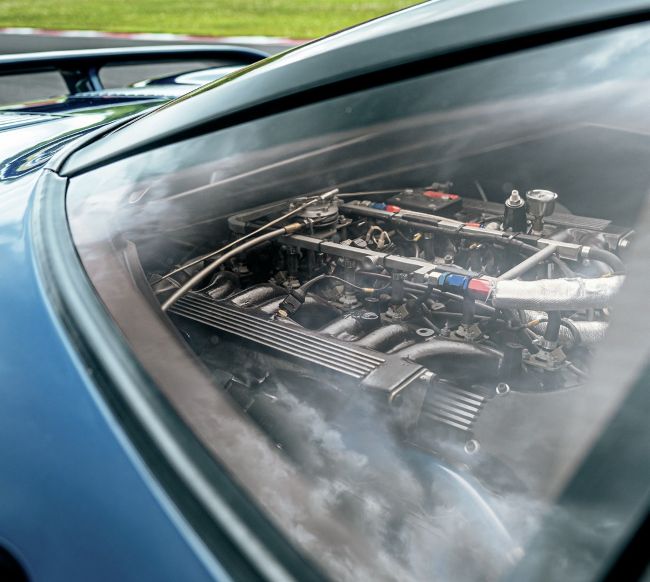
Slumbering V12
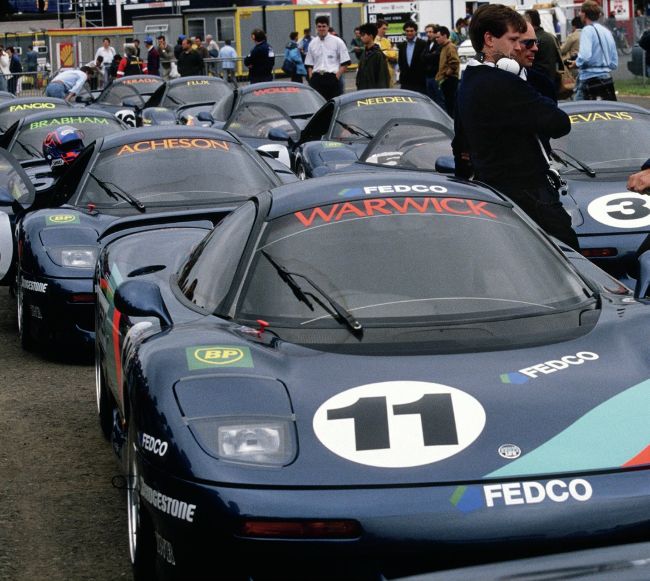
While only a handful of races were held, big money prizes attracted some star drivers
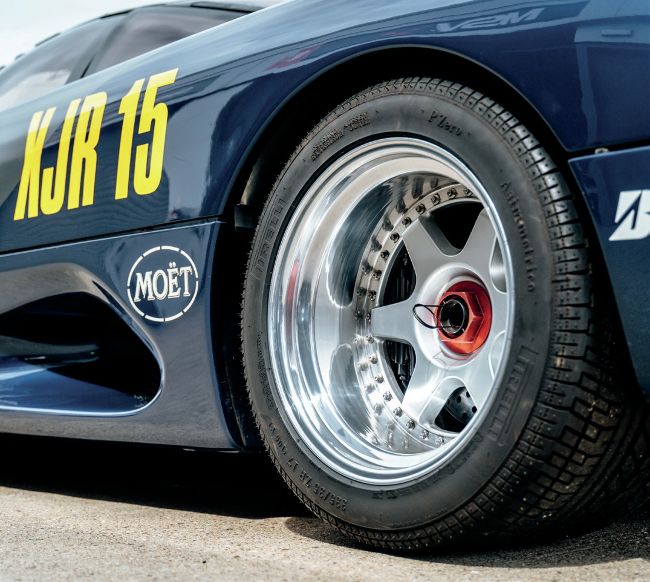
Road tyres were less than ideal
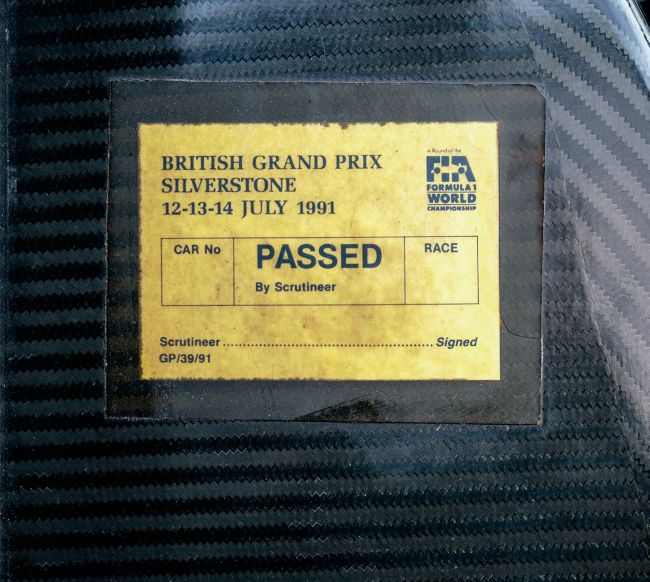
The Jaguar Sport Intercontinental Challenge raced only at Monaco, Silverstone and Spa... hardly ‘intercontinental’.
GRAND PRIX PHOTO
Iknew I’d be busy, but not this busy. I’m at Donington, one of my favourite circuits, the weather is perfect, the track inexplicably quiet for an unsilenced test day. No better place, no better conditions in which to get to know one of the most enigmatic sports racing cars there has been, an important car for reasons we will get to and, it is fair to say, a car with a certain reputation. And right now, it is earning every mote of my attention.
In the beginning it was never going to be called the Jaguar XJR-15. It would have been the TWR R9R, but then Jaguar weighed in through the JaguarSport company it owned with Tom Walkinshaw, and the XJR-15 it became. That was 1991 and it is a car about which quite a lot has been written, a considerable amount of which is rubbish. Probably the single largest nugget of misinformation about the car is the contention that the road cars were little more than the race cars wearing number plates or, conversely, that the race cars were just road cars on slicks. This is cobblers. They had different tunes for their engines, chassis and completely different gearboxes. There’s also the small matter of a 200kg difference in weight.
People get the number of cars wrong too: there were meant to be 50 but in the end 53 were built, of which 18 were racers, not 16 or 17 as you can read elsewhere – the illusion on an extra car being created because chassis 13 was omitted. But of those 18 just 16 were used in the famed three-round one-make race series for which they were created and two were spares. But a number have since been turned into road cars and three used for the XJR-15LM project to create a Le Mans eligible car, so the number of racing XJR-15s today that are as they left the factory is in the single digits.
But all that aside, what is this car and why is it important? Here we have also to correct the record, because if you ask most people to name the first carbon-fibre road car, some will say the McLaren F1, others the Ferrari F40. Both are wrong. The F40 was a car whose entirely conventional steel spaceframe was merely clad in part with carbon. And the F1 came after the XJR-15, which was actually the first car registered for the road by a recognised manufacturer with a genuine carbon-fibre (mixed with Kevlar in this case) tub.