Hard As A Rök
After a gap of more than 20 years, Jethro Tull have returned with their second album of new material this decade. RökFlöte finds the band exploring Norse mythology with a harder edge than last year’s The Zealot Gene. Prog catches up with Ian Anderson to discuss Norse gods, ageing and his ambitious plan to release three studio albums in as many years.
Words: James McNair Portrait: Will Ireland
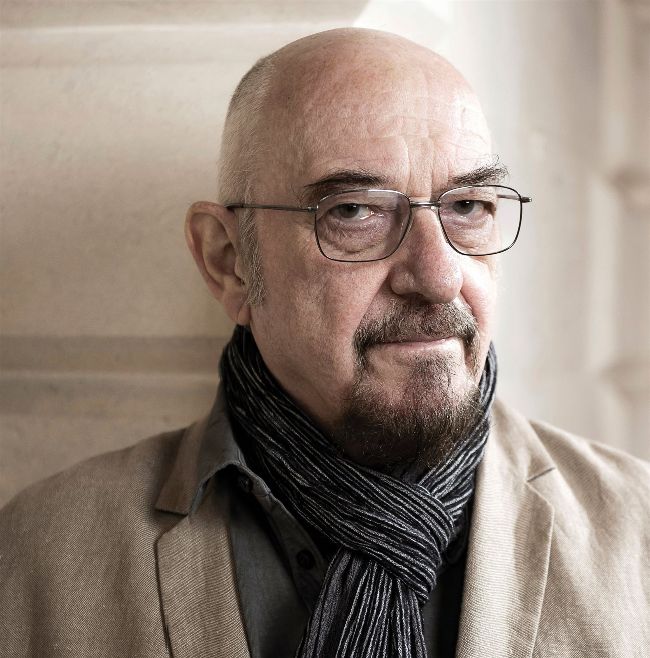
Ian Anderson doesn’t give a hoot if you call him pretentious.
Playfully pro-umlaut, Jethro Tull’s 23rd studio album, RökFlöte, began life as an LP of flute instrumentals, but ended up being a scholarly song collection exploring Norse mythology and paganism. This partly explains its title’s merger of the Icelandic word ‘Rök’, meaning ‘destiny’, and ‘Flöte’, which is German for the woodwind instrument Ian Anderson has played for decades.
“I suppose I liked the idea of toying with the flute of destiny,” smiles Tull’s venerable leader, chatting from his Wiltshire home via Zoom. Agreeably, he isn’t averse to sending himself up.
One doesn’t really ‘interview’ Ian Anderson; you hang on while his brain shoots off at tangents. His answers are long, winding roads, because that’s how he likes to field the questions you might occasionally manage to interject. Not that Prog isn’t delighted to listen. We’ll take verbosity over sullen guardedness any day.
RökFlöte follows-up last year’s The Zealot Gene, and constitutes one of the shortest gaps between successive Tull albums since 1980. To what, wonders Prog, do we owe this welcome burst of productivity?
“A mixture of boredom and age anxiety,” says Anderson. “As we march through the dark corridors of advancing time we all consider our own mortality. Or we should. At 75 years of age I feel a very pragmatic sense of urgency. In the arts we can extend our working lives into our 80s, if we’re careful, but that’s the best I can hope for, really. Sooner or later my annual health checks are going to flag up bad news.