FIRST CONVERSATIONS WITH AN ARCHITECT
Establishing a good working relationship with your architect is essential for a successful project. Julian Owenshares his expertise on how to start off on the best footing, right from initial discussions with your designer
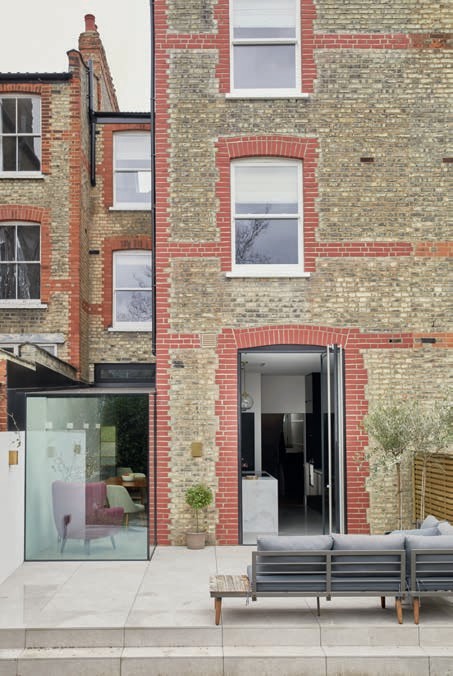
Right: The owners of this property in Greater London needed additional space, and a reinterpretation of their existing layout in order to accommodate a growing family.With this brief, the architectural team carried out a full refurbishment and extension to connect the kitchen, dining and living spaces, creating the ideal family home. (paularcher
design.co.uk)
HELEN CATHCART
Once you’ve picked your architect, it’s time to kick start the process of translating your ideas, hopes and dreams into an actual building. All successful collaborations depend on good communication between a client and their designer. The tone of this relationship is usually set early on, so it’s worth preparing your approach to the first few discussions that you’re going to have, and be ready for the issues that are likely to arise.
Preparing to meet your architect
Any designer will tell you that one of the secrets to creating a design that fits comfortably around their clients is a well thought out, clearly recorded brief. Your first meeting should cover this in some detail, and you can do some preparation to help it go well. If you have a partner or family who will live with you in the new house, it’s a good idea to thrash out any points of disagreement and try to resolve them beforehand.
I have occasionally been caught between two clients who have diametrically opposed views on what they want from their design. For example, one wants a contemporary style and the other, something more traditional. When this happens, they present their arguments to me and then ask “...and what do you think?” This kind of question is impossible to answer without alienating one of them and it’s not for me to say anyway – it’s their house, not mine. I’m quite happy to give practical advice on how to build their design, or the best way to approach the planners, but a robust discussion might be necessary behind closed doors so you can present a united front at that first meeting.