10 top tips for coping with a major project
Mike Hardwick has built his own home and helped countless others achieve their dreams. Here, he sets out his golden rules to take the stress out of running a scheme
For some self builders, the roller coaster of emotions they go through during a project can make them feel alive and they just can’t wait to plan their next. Others might swear that they’ll never take on this kind of scheme again – but I think it’s fair to say that nobody embarks on a self build or serious renovation lightly. Those who do will invariably find a way to make it over the finish line, no matter how smooth or rough the road to their goal, and end up with a home to be proud of. So what can you do to make the process as hassle-free as possible? Here are my top 10 coping strategies.
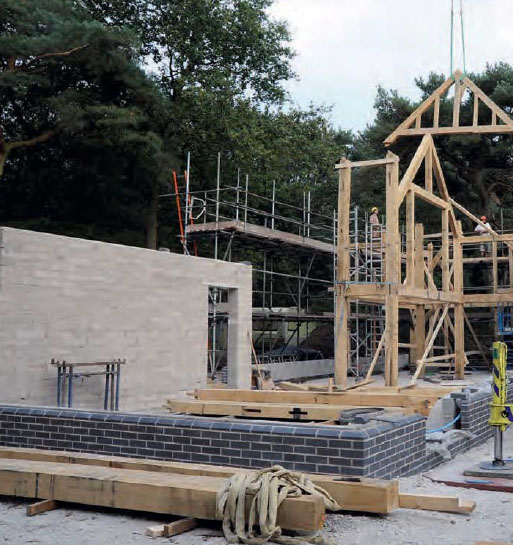
Winners of the 2016 Build It Award for best self build project,
1 Plan ahead
Time spent researching what you want, what it will cost and how you can get it is seldom wasted. I’d recommend you take as much time planning what you’re going to do as you do actually building the house. There’s so much choice in terms of design options, structural systems and finishing materials that making decisions can seem overwhelming. But by adopting a patient approach, researching what’s out there, speaking to experts and visiting shows such as Build It Live, you can ensure you’re making the right choices and getting good value for money.
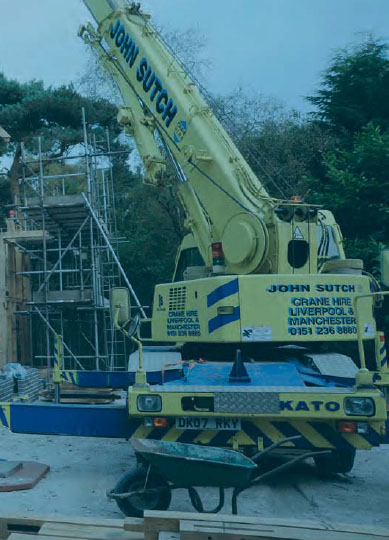
Darren Findlow and Anthony Higham ensured their site was an enjoyable place to be and made the effort to be there virtually every day “even if it was just to pop in to answer questions or deliver some well-deserved cakes to keep the workforce happy,” says Darren
2 Set a budget (and be realistic about the costs)
Mercifully, very few projects fail. But if it’s going to happen, it’s probably because the money has run out. If this occurs, things tend to get tricky both practically and emotionally. I am still yet to meet the self builders who have found themselves coming in significantly under budget, and most will admit that their finished home cost a little more than they originally thought it would. But provided you use a little common sense, you won’t end up with a Grand Designs-style overspend. The key to achieving this is to work out how much you can raise in total for the project and use this figure as the basis for your design choices, rather than trying to make an inadequate budget fit an overambitious scheme. This total sum should include a contingency of at least 10% of your build costs to cover unforeseen events – trust me, you’ll use it.