Creating a healthy home
Establishing a living space that supports your family’s wellbeing should be an essential ingredient of any renovation project. Nigel Griffiths explains how you can integrate a healthy approach
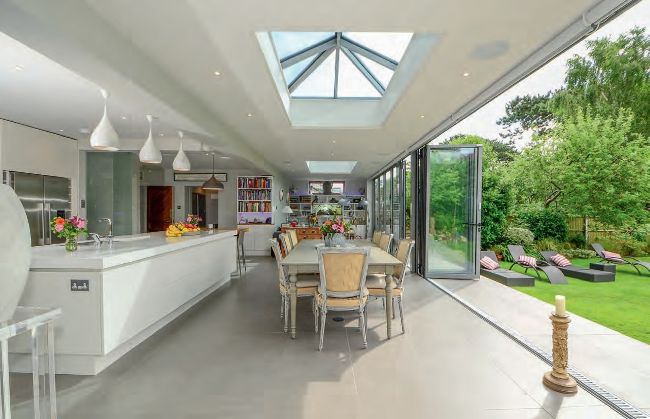
This lightfilled extension features aluminium bifolds and a Skyline roof lantern from Express Bi-folding Doors, ensuring plenty of natural light and easy access to the garden
The primary function of a home is to keep its occupants warm, dry and secure – and in that respect, the majority of houses built today are comparatively healthy, simply because they exclude the weather very effectively. Modern heating, sanitation, refrigeration and lighting systems all represent a significant improvement on previous generations, too.
However, we have introduced other problems, including a lack of ventilation and a rise in the types and number of toxic products in the home. We have one of the highest rates of asthma in the world, with 10% of UK children now suffering from it. As we spend the majority of our time indoors, it’s important that we think carefully about the internal environment we are creating. Here are the key considerations to take into account.
1 What is a healthy home?
In addition to staying warm and dry, we need a plentiful supply of fresh air and to be able to get rid of pollutants from our home’s interiors quickly. It’s also important for our living environments to be clean in order to avoid the build-up of moulds and other pathogens.
All of these factors will affect physical health, but mental wellbeing is just as important. For example, we all need daylight – easy for self-builders to work into their projects via vast swathes of glazing but often somewhat harder for renovators (although skylights do a great job – see page 70 for more on this topic).
Pay a thought to aesthetics, too. When you live in a building you naturally experience how it looks and may not give it a great deal of thought; but much house design today does little to inspire and uplift. The Georgians, Victorians and Edwardians were hot on this – a lot of their architecture still excels compared to the mass housing we’ve been developing since. Even the interiors of these buildings can be aspirational; for instance, the front rooms of most properties would feature a ceiling rose and cornicing to give a taste of life in the grander homes.