Food geek
The science of pickling
Ready to raise your cooking game? The difference between a dish being okay and bang on point can lie in a few key snippets of knowledge – and this is where you’ll find them
“Pickling is a traditional method of preserving food by storing it in an acidic liquid. Many pickles are preserved in vinegar, while others are fermented to create acidity (kimchi, sauerkraut and certain kinds of pickled cucumbers, for instance). So how does it work?”
Food writer (and self-confessed food obsessive) Lucas Hollweg
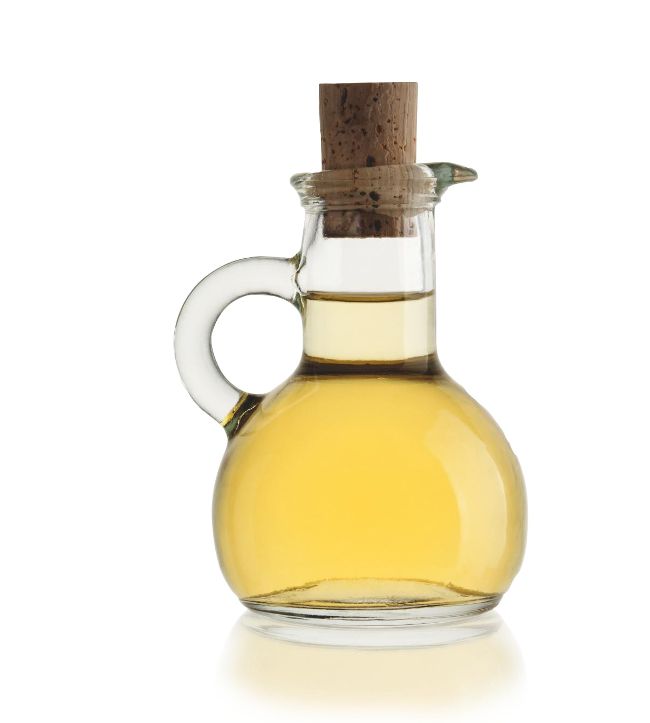
You need vinegar with 5% acidity - don’t use any old vinegar found in your cupboard
NEXT MONTH
An expert look at browning mince
The science-y bit
1It ’s all about acids Bacteria don’t like acidity – it stops them from multiplying to dangerous levels. Although there are other things that slow bacterial growth – in jam, it’s the high sugar content that stops it from going bad, while salt draws out water when curing fish and meat, making them less attractive to bacteria – acidity is key to pickling. The aim is to create a pickling liquid with enough acidity to deter bad bacteria, but not so high that it’s unpleasant or unsafe to eat.