SPONSORED BY AFINITY PHOTO
Camera College
The complete guide to modern photography

Marcus Hawkins Photographer and writer Marcus is a former editor of Digital Camera
Photo challenge!
You could win a copy of Affinity Photo
See page 77
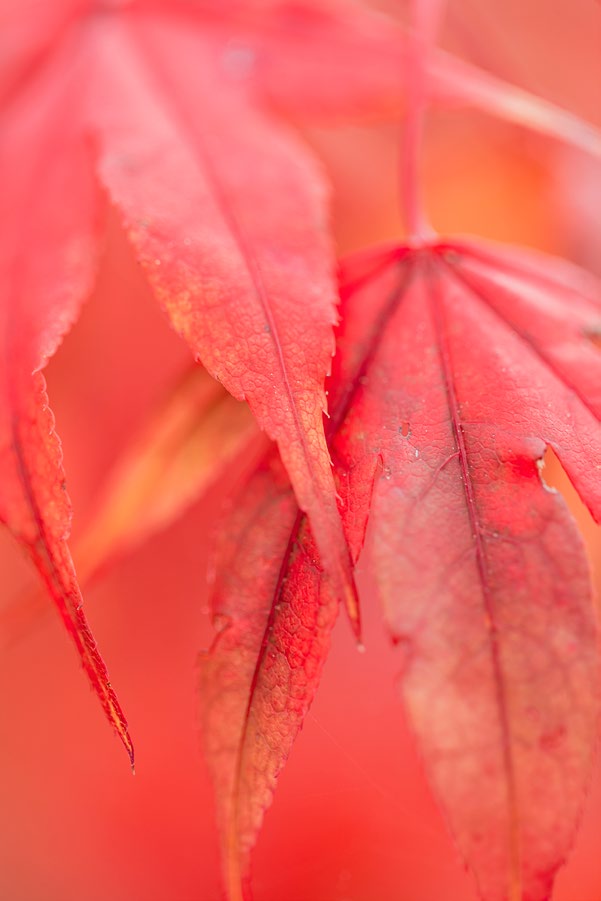
Once you find a good subject, squeeze as much from it as you can: wide shots, close-ups, motion blur and more…
Make the most of autumn with your camera
There’s so much to photograph at this time of year that it can be hard to know where to begin. Here are a few suggestions to get you started…
■ Autumn is a season of contrast. While the natural world starts to slow down, wild animals are doing quite the opposite, immersed in bursts of activity as they stock up for winter. We photographers often need to make like the squirrels at this time of year, too. You might have to wait weeks for a calm, drizzle-free day with a low, raking light that makes your heart thump – and when it comes, you really have to get to work. The peak autumn leaf colours don’t last long either, so there’s no time to procrastinate with a camera!
It is easy enough to get outside and snap the luminous colours and natural spectacle of autumn. But there are a few tricks to making the most of this beautiful season.
Experimenting with different focal lengths is a good start.
There’s something to point every type of lens towards at this time of year. Wide-angle lenses are a go-to for autumn landscapes. Ultra-wide lenses, in the region of 14-20mm on a full-frame camera, are great for those tight spots under trees, enabling you to get close to the trunk and angle the camera upwards to capture the spread of branches. They’re also useful for getting close to smaller subjects such as fungi, and showing them in context within a wider scene.
Don’t forget your telephoto, though. While super-teles such as 400mm, 500mm and 600mm are essential for autumn wildlife, a moderately long focal length from
It’s all about the colour…
Get strong, natural-looking autumn hues by taking manual control over your camera settings
■ There are two key camera controls that enable you to capture the colours of the season authentically: White Balance and Picture Style.
Faced with a chilli-hot mix of reds, yellows and oranges, your camera may choose the wrong white balance. It may bias it towards blue to cool the colour temperature, for example, or add green. If you’re shooting raw, you’ll be able to set the white balance when you process your shots, but if you’re shooting JPEG, it’s worth using a white balance preset such as Daylight or Cloudy, or setting a custom white balance for the conditions.
Similarly, take a manual approach when it comes to the Picture Style, Picture Control or Film Simulation. Use Landscape for robust reds and yellows, or try Portrait for more subtlety.
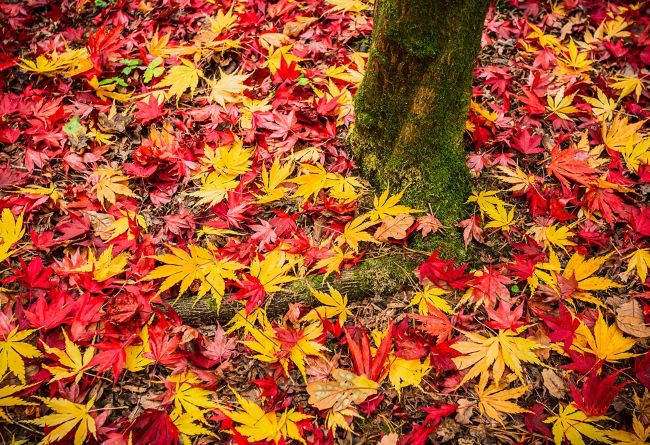
Annual leaf Using a more saturated picture setting ensures that colours are captured vividly in JPEGs shot on an overcast day.