HOW TO BUILD A HOUSE
PART ELEVEN: FIRST FIXING – CARPENTRY, INSULATION & AIRTIGHTNESS
In our in-depth series, self-build expert Mark Stevenson shares the stages of building your own home, from foundations through to completion. This month, he looks at completing the first fix
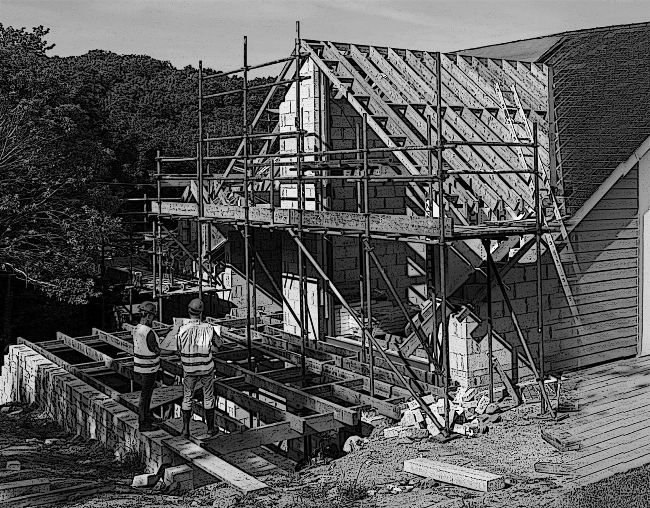
IMAGES: POTTON;
MARK STEVENSON
Has worked in construction for 30 years and following a long career in housebuilding he became managing director for Potton, designers and manufacturers of bespoke self-build homes.
Possibly the busiest time on any self-build is when the fitout —also known first fixing –begins. Over the next couple of months, I’ll explain everything you need to know about fitting out your project, starting with finishing the thermal envelope and then completing the ‘first fix’.
COMPLETING THE THERMAL ENVELOPE
At this point of the build, the skeleton of the structure is complete but not ready to be filled with the myriad pipes, cables and timber noggins your house will need. Before the traditional first fix trades can begin, the thermal envelope must be completed and the structure made airtight —well, at least to the level stated in your design state SAP assessment.
Where the building structure is a timber frame or SIPs, the external walls are likely to have been manufactured with insulation and the vapour control layers (VCLs) needed to control airtightness — look for flappy bits of membrane at the top and bottom of the walls. Similarly, masonry builds usually have their cavities insulated as the work progresses. Therefore, there’s not likely to be much work needed to complete these elements, however, as blocks are leaky, these walls may need to be sealed with either aparge coat of render or a latex sealer.