US
8 MIN READ TIME

HOW TO SAVE THE SEA

British marine biologist and TV presenter Monty Halls is launching a new initiative to give our oceans a health check, offering some simple solutions on how we can help fight threats to marine life

What are the biggest threats to the world’s oceans? They are a myriad. Microplastics are a massive issue – as we know, there isn’t anywhere in the ocean that there are no microplastics now. It’s at every level of the food chain and it bioaccumulates, moving up the food chain. It’s in us now, without a doubt. Then there’s climate change. What we’re looking at now is pulses of increase in temperature or temperature change in large bodies of water. That has a massive impact on the vertical migrations of plankton and also their life cycles.

Then there’s overfishing, which is a massive issue. We’re still sort of hitting the krill and things in the Southern Ocean, which is a basis of an entire food chain. You’ve also got ocean acidification and pollution. You know, it’s not great. But you’ve also got little stories of hope emerging and some very interesting projects.

DID YOU KNOW?

Between February 2023 and April 2024, coral reef bleaching was reported in 53 countries
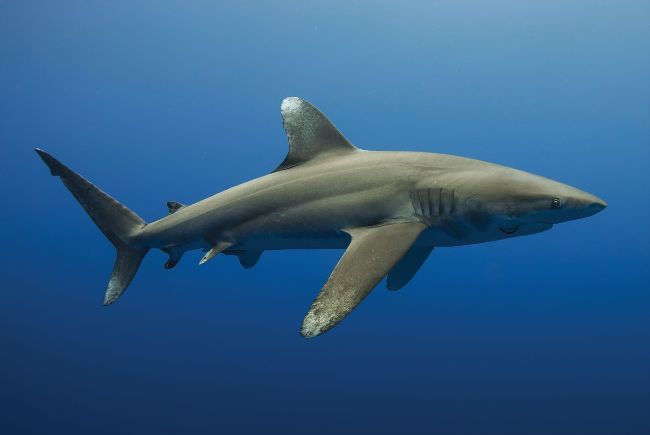
Over the last four decades, around 99 per cent of oceanic whitetips have been lost from the Gulf of Mexico

For example, harvesting microplastics to turn them into biodiesel. I spoke to Richard Thompson from the University of Plymouth, who’s probably one of the leading experts in the world about microplastics, and asked, “When you look forward, how do you feel?” And he said, “I feel optimistic. I feel we can utilise this resource for good.” We just need to figure out the technology to do it, and we need to stop dumping stuff in the sea.

Unlock this article and much more with
You can enjoy:
Enjoy this edition in full
Instant access to 600+ titles
Thousands of back issues
No contract or commitment
Try for 99c
SUBSCRIBE NOW
30 day trial, then just $9.99 / month. Cancel anytime. New subscribers only.


Learn more
Pocketmags Plus
Pocketmags Plus

This article is from...


View Issues
How It Works
Issue 201
VIEW IN STORE

Other Articles in this Issue


WELCOME
WELCOME
© Alamy “A pendulum can absorb an earthquake’s
REGULARS
Mindboggling roads
© Alamy In 2017, a multi-level, 20-road flyover
Swallowed whole
© Alamy This egg-eating snake is one of
Hairy microbes
© Alamy This is a Paramecium ,
Giant reflector installation
© alamy In December 2024, a 34-metre-wide steel
500,000-year-old treasure trove of fossils discovered in a sinkhole
GLOBAL EYE Showcasing the incredible world we live in
Cheating little penguins are big on divorce
Little penguins can live with their partners for
ASTRONOMERS DISCOVER A MISSHAPEN COSMIC PREDATOR
Elliptical galaxy NGC 3640 is situated just above
Brain damage-healing cell type discovered
An illustration of known astrocytes in the brain
FRENCH SCIENTISTS SMASH CHINA’S FUSION RECORD
Artist’s impression of the inside of a nuclear
Mars might be red for a different reason
Temperatures on the dusty surface of Mars can
A STRANGE X-RAY FLASH FROM BEYOND OUR GALAXY PERPLEXES SCIENTISTS
The ‘remarkable’ XRT 200515 cosmic explosion observed by
An oceanic plate from the time of Pangaea is tearing apart
A view of the Zagros Mountains in Iran,
‘Ancient’ part of the brain might tell you when to stop eating
Neurons found in one of the oldest regions
Evolution may be to blame for scratchy itches
It’s probably still better to try and ignore
Rabbits may be eating their own teeth
A rabbit’s incisors can grow up to 2.4
KATY PERRY WILL BE LAUNCHED INTO SPACE WITH A HISTORIC ALLFEMALE CREW
Katy Perry performing during the opening ceremony of
WISH LIST
HEALTH AND FITNESS
What percentage of stars go supernova?
Amazing answers to your curious questions
Why do Chinese dragons resemble snakes?
Mythical snake-like dragons date back to artefacts discovered in northeast China as early as 5000 BCE, but it’s not known why they resemble snakes. The earliest depictions of dragons were called pig dragons – small jade sculptures featuring a pig’s head with a coiled body. Early versions looked more like a foetus, with the longer serpentine body becoming popular later. In Chinese culture, dragons are synonymous with water and are said to be the masters of rainfall, waterfalls, rivers and seas. This could partly explain their serpentine form as a swimming mechanism similar to an eel, or perhaps the wavy snake-like shape was a reason dragons became associated with water. Traditionally, it’s not only snakes that dragon depicters have borrowed from – there are many other anatomical resemblances found in Chinese dragons, including stag horns, carp scales, tiger feet and eagle claws.
Can we tame tigers?
Not in the way you might tame a dog or break in a horse. Dogs and horses have been domesticated for millennia, and selective breeding has gradually favoured the genes that make them more friendly. Tigers – even raised from a cub – retain all their predatory instincts. In Thailand, ‘tame’ tigers live in a monastery side by side with the monks and tourists, but it’s a precarious balance. Roy Horn of the entertainment double act Siegfried & Roy was critically injured in 2003 when the tiger he had performed with for six years bit him.
THE LIBRARY
The latest book releases for curious minds
Spot the difference
See if you can find all six changes between the images below
MAKE A WIND-POWERED CAR
Design and build your own personalised vehicle that rolls with the wind
MARTIAN HUMANS
Dear HIW , With Elon Musk keen on setting up a Martian colony, how would a person born and raised on Mars look?
FUZZY FRUITS
Peach fuzz protects fruit from insects and pests
PLAY OF THE PAST
Dear HIW , What’s the oldest toy ever
FLYING FISH
A flying fish soaring above the Atlantic Dear
CROC OR NOT
Adult crocodiles have 68 to 80 teeth Dear
HOW IT WORK
Future PLC Quay House, The Ambury, Bath, BA1
FAST FACTS
Amazing trivia that will blow your mind
SPECIAL
MEGA QUAKES
Feel the force of the world’s biggest earthquakes and discover how these seismic events rock our cities and settlements
SPACE
HOW YOU CAN HUNT FOR BLACK HOLES
Ten cool astronomy apps that turn your smartphone into a stargazing powerhouse
HOW REUSABLE ROCKETS WORK
New launch vehicles that can fly multiple missions are transforming space travel
TRANSPORT
HOW AIRBOATS WORK
These flat-bottomed, fan-propelled boats are typically used in swamplands
INSIDE A SPY SHIP
This Russian ‘research’ vessel has been coasting through European waters, but what’s it looking for?
HISTORY
LOST CIVILISATIONS
Why these once-powerful nations disappeared, leaving abandoned artefacts and remarkable ruins to tell tales of their reign
POL AR DINOSAURS
Evidence shows that some dinosaurs could survive cold, dark winters
SCIENCE
ALL ABOUT MEAT
Whether it’s cooked, rare, raw or rotting, we look at the science behind meat and why some animals can eat what makes others sick
MEET YOUR INNER BEASTS
From intestinal worms to the protozoa that cause malaria, our bodies can play host to some unwelcome visitors
NATURAL MAGNETISM
How human and animal bodies generate their own magnetic fields
WHAT IS VO2 MAX?
How the body uses oxygen is an indicator of cardiovascular fitness and a predictor of long life
WHAT ARE SMELLING SALTS?
This ammonia-based medicine sharply increases oxygen to the brain
ENVIRONMENT
EXPLORE THE REAL LOST WORLD
Towering above a South American rainforest stands Mount Roraima, its prehistoric castaways cut off from civilisation
WHAT IS QUICKSAND?
The physics behind these silent and hidden natural floor traps
WHY DO WE HAVE TIDES?
How the positions of the Sun and Moon dictate when the sea is high or low
TECHNOLOGY
FIGHTER PILOT STRIKER II HELMET
How this advanced piece of specialised headgear fuses a digital display with a pilot’s real-world view
AN APPLE MACBOOK?
WHAT’SINSIDE...
Chat
X
Pocketmags Support