BURN AFTER READING
WHY EVERYTHING YOU THINK YOU KNOW ABOUT METABOLISM IS (PROBABLY) WRONG
In many ways, the average gym-goer has never been smarter or better informed when it comes to fat loss. Most of us understand the complex interplay between calorie balance, appetite and cultural influences that can dictate whether we lose, gain or maintain in any given week.
But there is one area in which specious arguments and contradictory theories still abound: metabolism.
From supplements that promise to fire up your fat burn, to metabolic workouts, and the new wave of health trackers offering endless insights into how your body processes food, there’s a lot of advice out there… but not a lot of clarity.
We put your burning questions to a panel of experts.
Words by Scarlett Wrench
SO, WHAT DOES MY METABOLISM
ACTUALLY DO FOR ME?
Metabolism is a catch-all term for all the things the body does to keep you alive – from breathing to digestion and repair. ‘It includes all the processes that convert the food we eat into a form of energy that can be used by our cells, called adenosine triphosphate (ATP),’ says John Speakman, who researches energy expenditure at the University of Aberdeen.
There are lots of ways to interpret your metabolic rate, too. Your basal metabolic rate (BMR) is the number of calories your body burns by performing its essential functions. Non-exercise activity thermogenesis (NEAT) refers to the calories you use up during daily activities, such as walking to work or mowing the lawn. Exercise activity thermogenesis (EAT) is the number of calories you burn when working out: running, hiking, weightlifting, kicking a ball about. For the average man, EAT makes the smallest contribution to overall burn, often under 10%.
Part of what makes metabolism such a fiddly concept is that there are various ways to measure it – including both heat production (counted in calories) and oxygen consumption (the conversion of food into ATP uses up oxygen). This has been cause for debate among scientists, with some calculation methods leading to statistical errors, explains Dr Daniel Lieberman, professor of human evolutionary biology at Harvard University. So, yes, it’s kinda complicated – but there’s still plenty that we do know.
IS THERE SUCH THING AS A NATURALLY FAST METABOLISM?
HOW DO I GET ONE!?
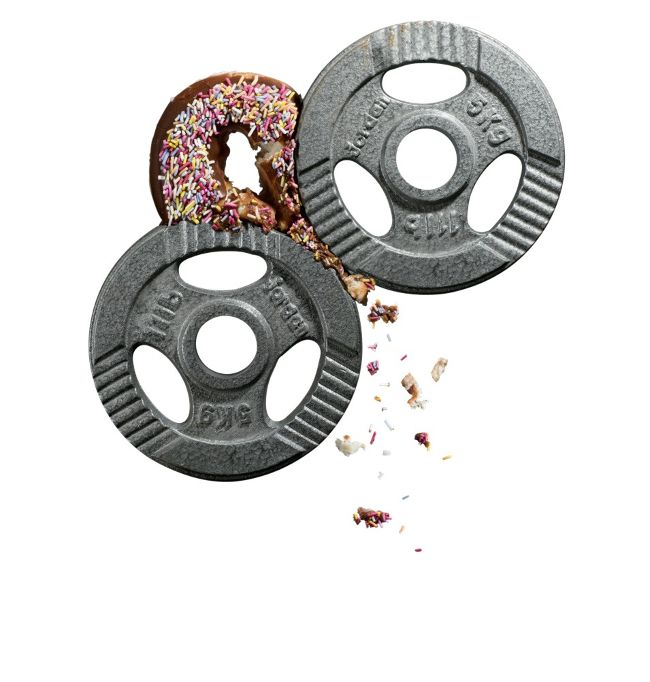
Not all bodies process food the same way