THEY DON'T MAKE THEM LIKE YOU ANY MORE
By Martin Aston
THIRTY YEARS SINCE HIS DEATH IN JUNE 1995, THE CULT OF RORY GALLAGHER THRIVES, IN THE MUSIC OF HIS FANS AND THE STORIES OF HIS BANDMATES. A CREATIVE DYNAMO BLENDING BLUES, ROCK, FOLK AND MORE.
A “BEAUTIFUL MAN” WHO WAS ALSO A “DICTATOR”. A DOOMED LONER WHO WOULD RIP UP AN ALBUM Portrait Fin Costello RATHER THAN COMPROMISE HIS ART. “HE WOULDN’T SACRIFICE ANYTHING FOR THE PURITY OF THE MUSIC.”
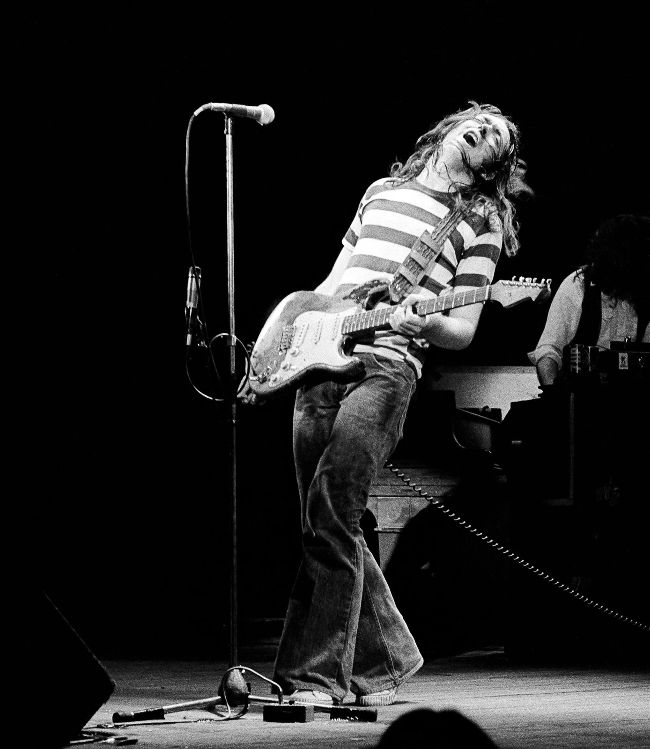
The faith healer: Rory Gallagher in his natural habitat, 1977.
Fin Costello/Getty
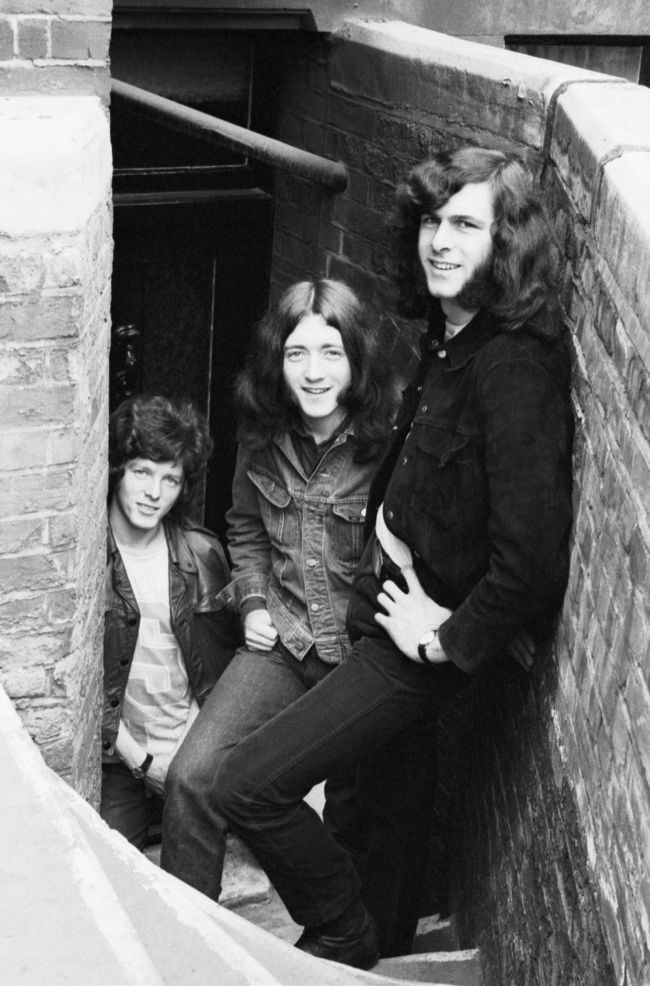
On the way up: the second version of Taste (from left) John Wilson, Rory Gallagher, Richard McCracken, London, July 1969; (right) the now solo Gallagher in Manchester, 1973.
DEEP PURPLE BASSIST ROGER Glover will never forget that night during the making of Calling Card, the album he produced for Rory Gallagher in 1976 – the first the fiercely single-minded Irishman had allowed an outsider to oversee.
“Rory was doing a very convincing impression of a preacher making a sermon and urging the audience to repent for their sins and come to the Lord,” Glover recalled. “This went on well into the night, aided and abetted by drink and laughter. That’s what made Rory a great stage performer, his ability to entertain whatever the occasion.”
The pair had met when Purple took Gallagher out on a US tour in 1973. As in Britain and Europe, the Irishman’s sweltering hard rock blues had blown audiences away: technically brilliant, emotionally raw, entertaining whatever the occasion. But while Gallagher’s live Irish Tour ’74 had sold two million, none of his previous five studio albums made the UK or US Top 10, and no one track defined him in the manner of, say, Deep Purple’s Smoke On The Water.
To many ears, Calling Card had maximised the guitarist’s commercial potential. As Gallagher’s keyboardist Lou Martin put it, “It has a marvellous sound, fantastic songs. In my opinion, everything is perfect.” But Gallagher wasn’t happy. He thought Glover had sanded down too many of his edges and, behind the producer’s back, had Rolling Stones engineer Chris Kimsey remix the tapes. Gallagher also refused to allow his record label Chrysalis to edit the gorgeous, dynamic Edged In Blue for a single. Didn’t they know Gallagher didn’t release singles?
To ram the point home, Gallagher wrote Last Of The Independents, a key song on his next album, Photo-Finish. Seasoned producer Elliott Mazer was employed, before Gallagher dropped the finished tapes in a hotel bin as his manager brother Dónal stood by, slack-jawed. Nearby, Chrysalis executives gathered to preview the album.
“I asked Rory, Can I just play them a couple of tracks?” Dónal tells MOJO today. “‘No,’ he said. I did want to kill him, but he’d made his mind up.”
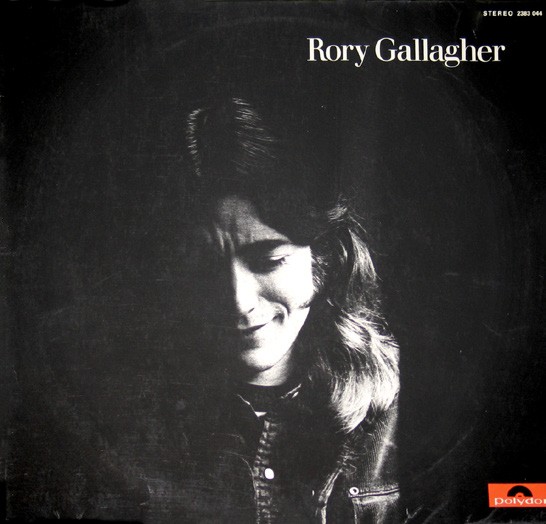
Getty (2), The Estate of David Gahr/Getty Images
Before re-recording Photo-Finish from scratch, Gallagher sacked Lou Martin and drummer Rod de’Ath, leaving only bassist Gerry McAvoy of the line-up that most Gallagher aficionados believe was his all-time best. The impetus had been witnessing, of all bands, Sex Pistols in San Francisco, and craving for himself that rough-edged assault behind Johnny Rotten. “Rory said, ‘I don’t know if that’s the best or worst gig I’ve ever seen,’” recalls Dónal, “‘but that’s the closest thing to Eddie Cochran I’ll ever see.’”
“From a record company point of view, Rory was unmanageable because he was so strict in what he wanted,” reflects Mark Feltham, Gallagher’s live harmonica foil in the ’80s and ’90s. “He wouldn’t sacrifice anything for the purity and form of the music.”