SAME DIFFERENCE
Renaults to Rovers, TVRs to CRXs, for decades single-make racing has given bumper-to-bumper brilliance. All good fun? As James Mills explains, it’s a serious business
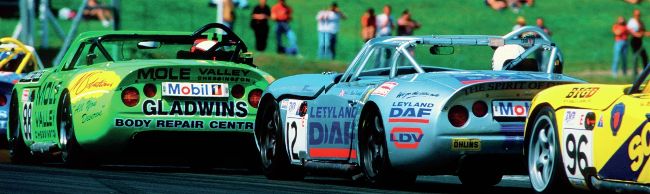
The TVR Tuscan Challenge, around since 1989, was an inspiration for Rover in the 1990s. Above: squealing French superminis in the 1976 UK Renault 5 Cup

Renault 5 Turbo racing, 1982. Right: Martin Short raced Rovers in the early ’90s; rivalries in 5s, 1981
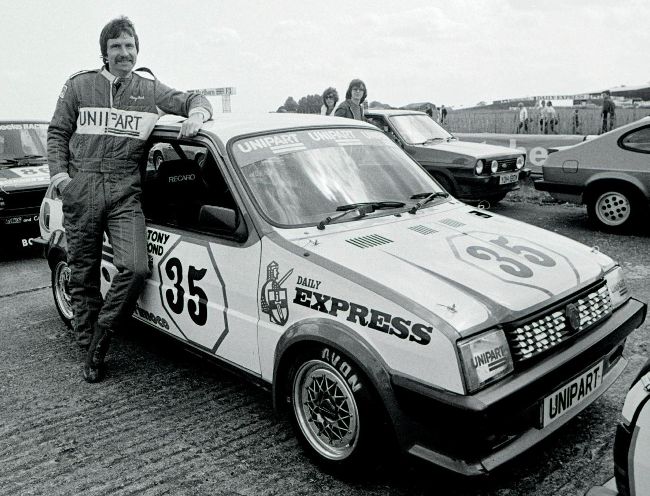
Tony Pond was pivotal in the formation of Metro racing. Left, from above: Caterhams; Sport Spiders
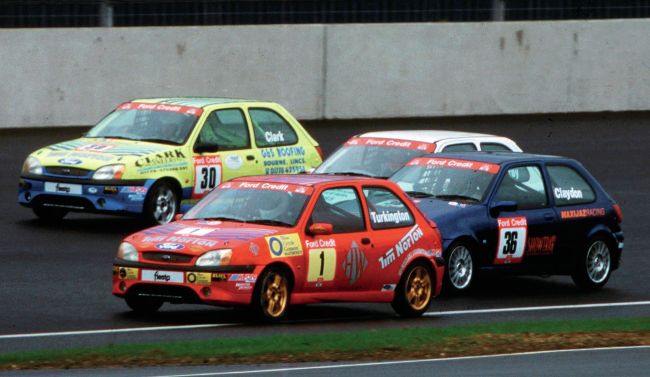
BTCC hero Colin Turkington (1) made his name racing Ford Fiestas

Tempting 1990s packed house at Brands to go out and buy a VW Vento…
For more than a decade from the mid-1980s, aspiring professional racing drivers and club racers alike never had it so good. As car companies attempted to spice-up their image and reach new customers, one marketing tactic was to turn to motor racing. It fuelled a boom in onemake championships, where generous prize funds ensured packed grids and spectacular crash-bang-wallop racing.
Drivers climbed onto the one-make ladder, viewing it as a potential step up to the British Touring Car Championship or GT racing. But they weren’t the only ones who enjoyed this period. The reputations of freshfaced racing teams were established, club races drew healthy spectator numbers for circuits, television channels satisfied millions of motor racing fans, promoters learned their trade and sponsors wheeled and dealed with their network from the vantage point of hospitality suites at tracks around the UK.
It was a shrewd move on the part of car makers. The cost of fielding factory teams in high-profile championships like the BTCC could run to millions of pounds unless a sponsor was secured. The cost of running aone-make championship was comparatively small change. In fact, get your sums right and the manufacturer might even make a nice little sum on the side, selling race cars and spare parts over several seasons.